 EN
Choosing the right bathroom ceiling cladding can significantly enhance both aesthetics and functionality in commercial and residential spaces. The primary keyword, bathroom ceiling cladding, refers to various materials used to cover ceilings in bathrooms, offering moisture resistance, ease of maintenance, and design versatility. B2B buyers, such as contractors, purchasing managers, and architects, typically seek information about product specifications, material durability, installation processes, and supplier reliability when making their decisions. This article will help you understand what to consider when selecting bathroom ceiling cladding for your projects.
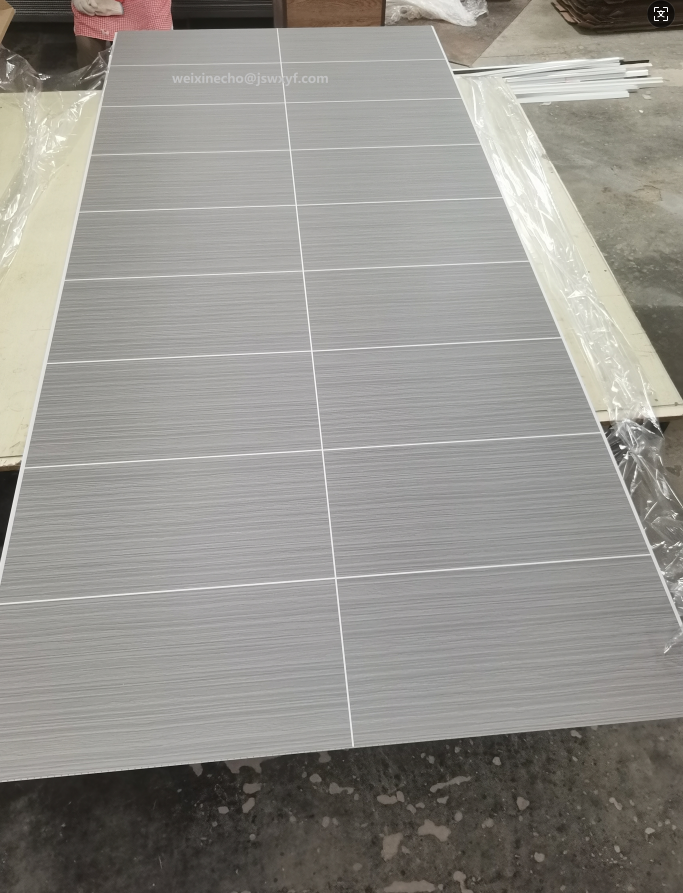
Key Specifications of Bathroom Ceiling Cladding You Should Know
Understanding the specifications of bathroom ceiling cladding is crucial for making informed purchasing decisions. Here are some key specifications to consider:
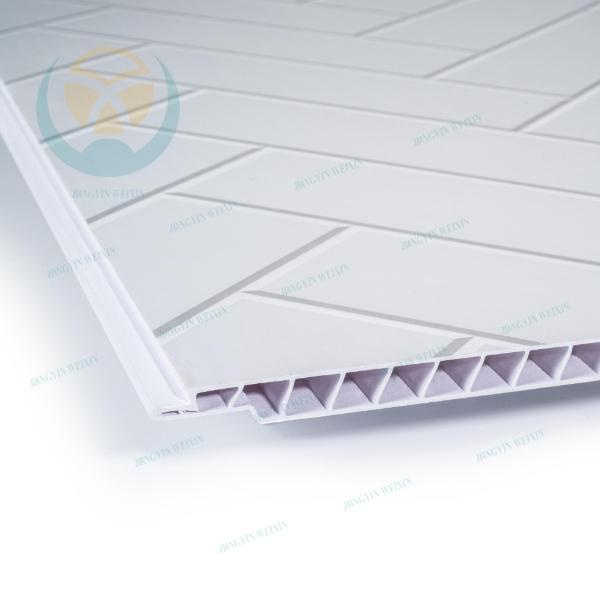
Material Composition: PVC is a popular choice due to its lightweight, moisture-resistant properties. Other materials may include wood, metal, or composites, each with unique benefits and drawbacks.
Thickness: The thickness of the panel affects its durability and insulation properties. Thicker panels typically offer better sound insulation and impact resistance, making them ideal for high-traffic areas.
Dimensions: Standard panel sizes can vary, but common dimensions include 250mm to 600mm widths with lengths up to 3 meters. Ensure the dimensions fit your project’s ceiling specifications.
Surface Treatment: Look for panels with UV-resistant coatings to prevent fading and discoloration over time. Surface textures can also impact aesthetic appeal and ease of cleaning.
Installation Method: Some panels are designed for direct application, while others require framing or furring strips. Understanding the installation method is essential for planning and budgeting.
Fire Rating: Depending on local building codes, it may be necessary to choose panels with specific fire ratings. Always verify compliance with regulations.