 EN
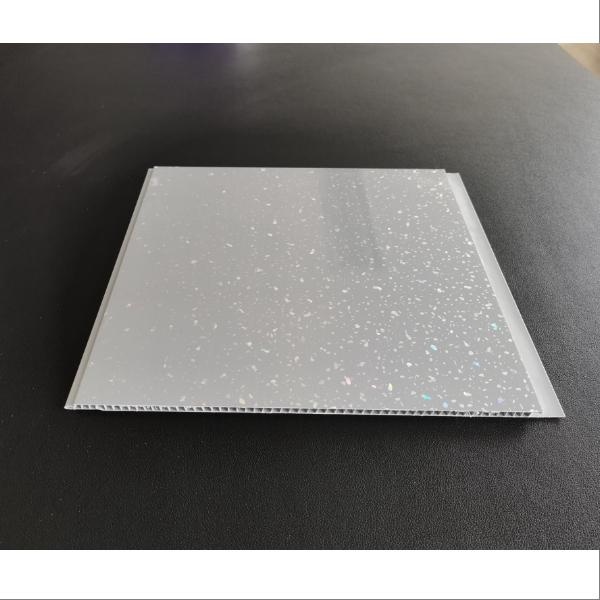
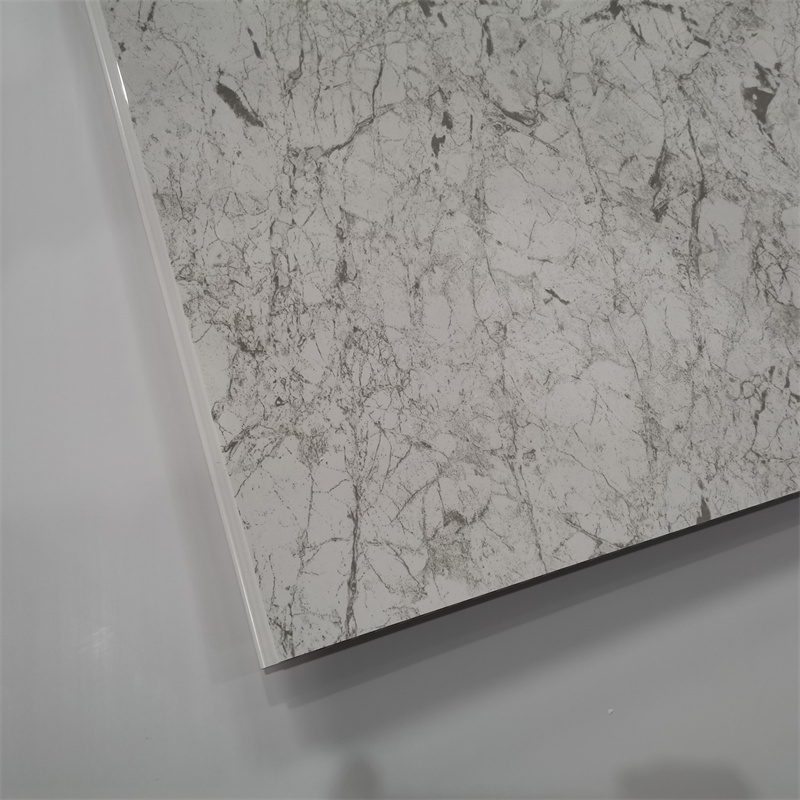
Bathroom cladding is an increasingly popular choice for modern renovations, particularly in wet areas like bathrooms, where moisture resistance is paramount. As a B2B buyer, understanding bathroom cladding prices is crucial for budgeting and project planning. This article will help you evaluate the factors affecting pricing, select the right materials, and navigate common installation challenges associated with bathroom cladding.
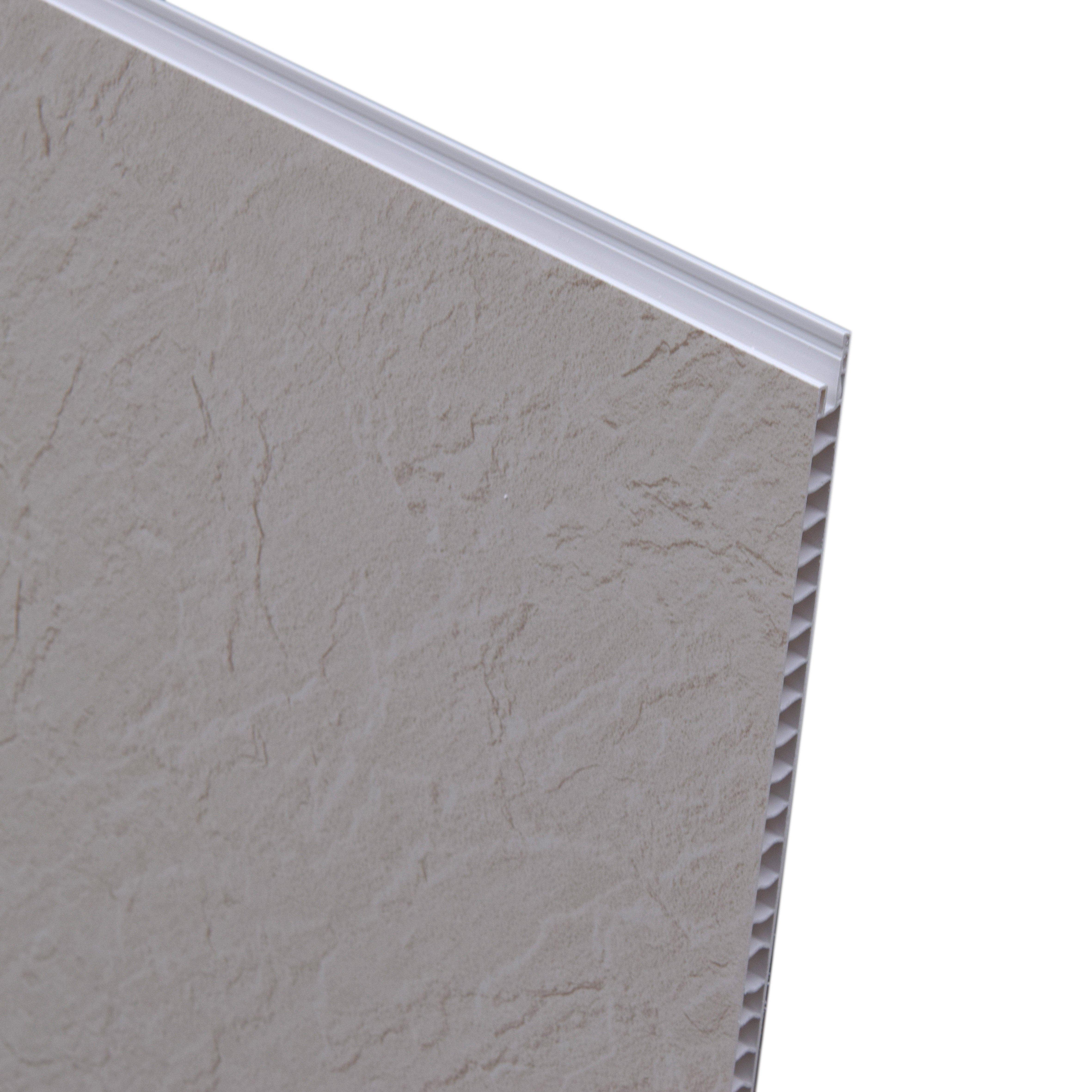
Understanding Bathroom Cladding Specifications and Their Costs
Selecting the right bathroom cladding involves understanding the project requirements and the characteristics of available materials. Here are key factors to help guide your decision:
Moisture Resistance: Since bathrooms are high-moisture environments, opt for materials that are specifically designed to resist water damage, such as PVC. This can prevent mold growth and structural issues.
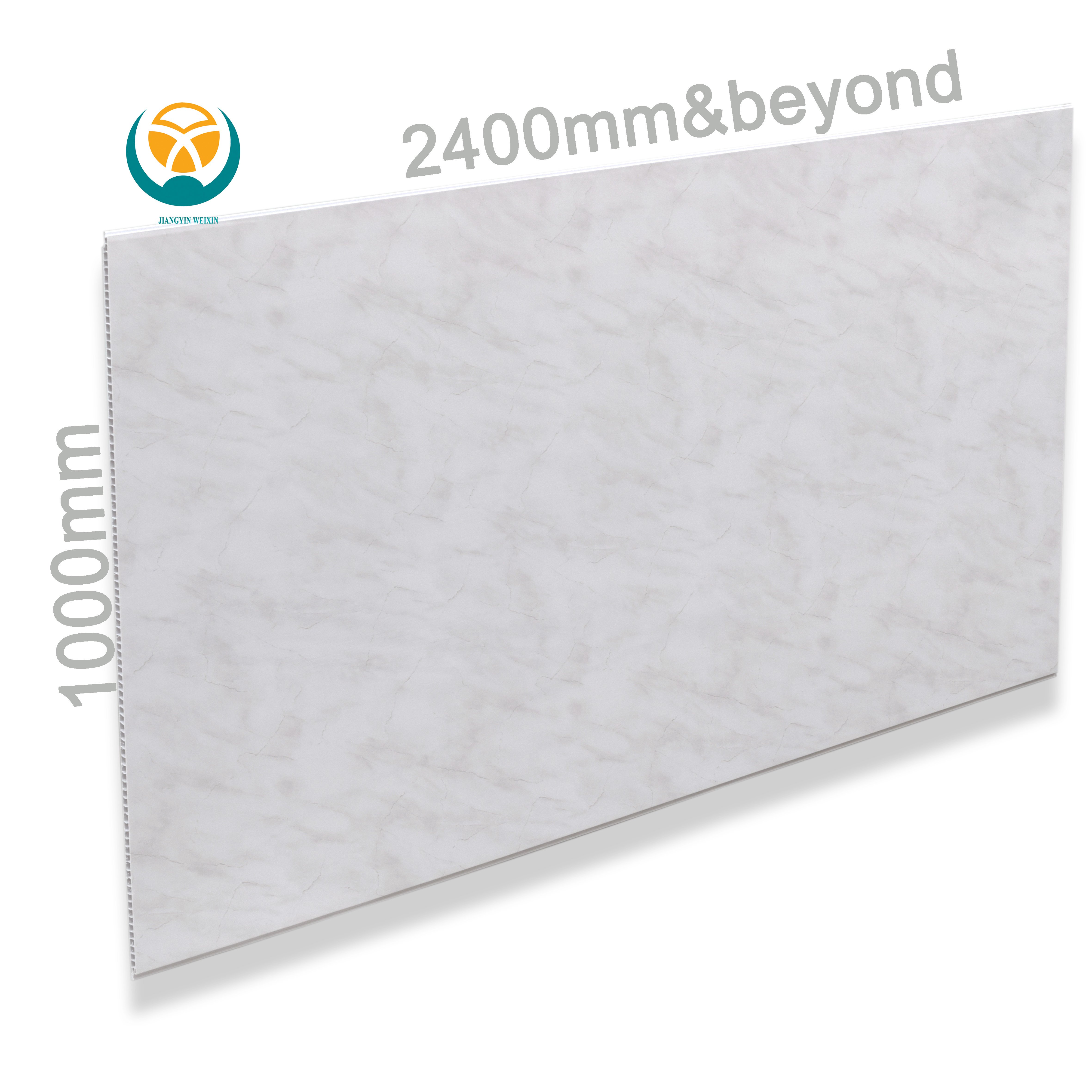
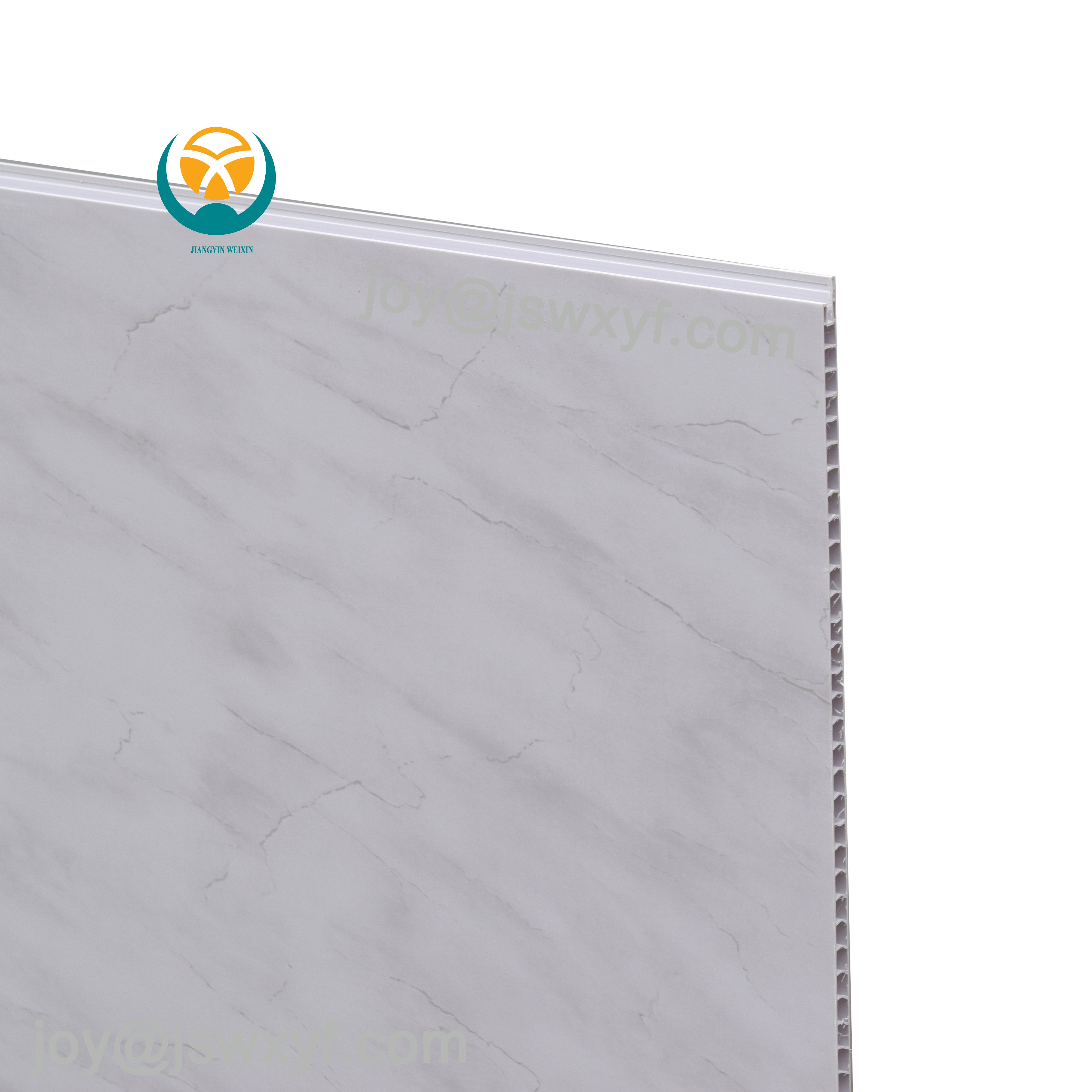
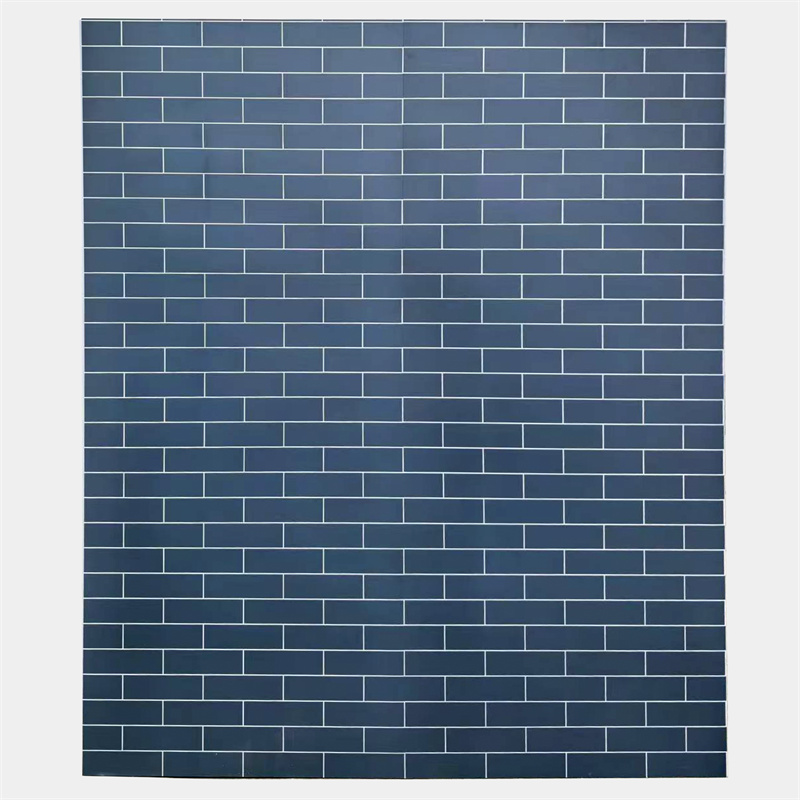
Aesthetic Appeal: Consider the design and finish of the cladding. With options like digital printing, you can achieve a wide range of visual styles that can complement your overall design theme.
Ease of Installation: Some cladding types are easier to install than others. For example, interlocking PVC panels can streamline the installation process, reducing labor costs.
Durability: Assess the expected wear and tear based on the project's use. For high-traffic areas, select panels that can withstand impacts and resist scratches.
Regulatory Compliance: Ensure that the chosen cladding meets local building codes and safety standards. This is particularly important for commercial projects where compliance can affect operational permits.