 EN
Ceiling PVC sheets are versatile, durable panels commonly used in commercial and industrial settings for ceilings and wall coverings. These sheets offer various design options and are valued for their moisture resistance and ease of maintenance. For B2B buyers, the concerns often revolve around quality, supplier reliability, and suitability for specific applications. This article will provide insights into how to evaluate suppliers, understand specifications, identify common issues, assess cost factors, and find high-quality sources for ceiling PVC sheets.
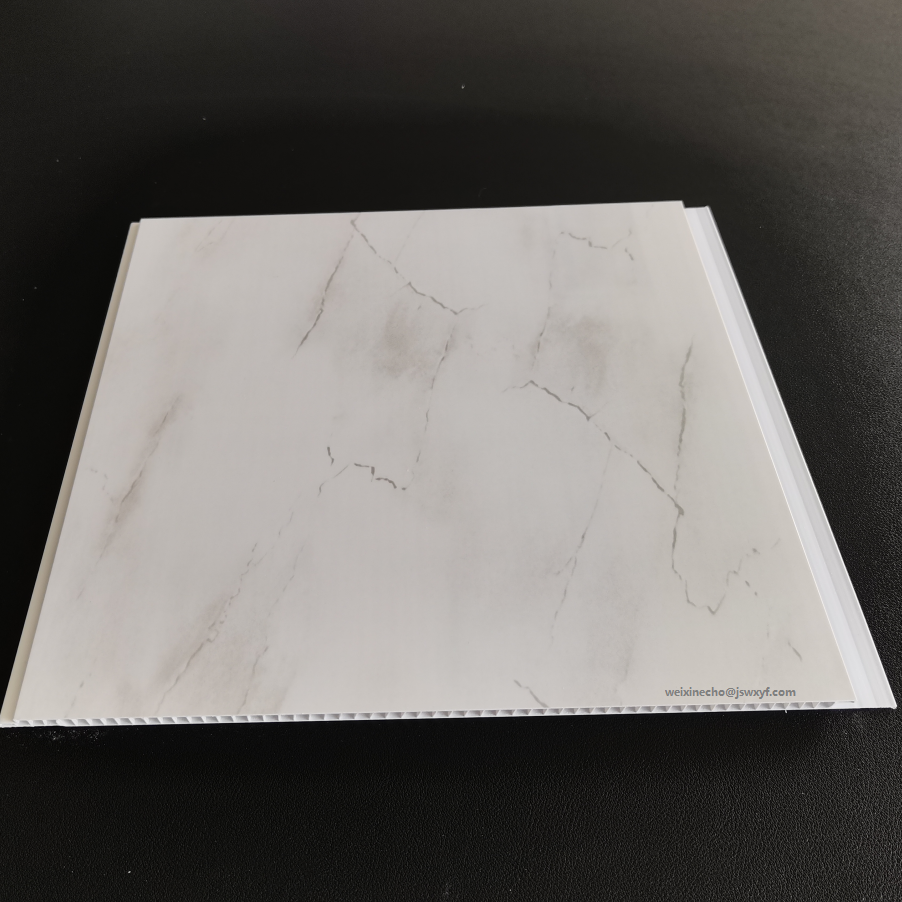
Understanding PVC Ceiling Sheet Specifications for Optimal Use
PVC ceiling sheets come with various specifications that are critical for their performance in specific applications. Key specifications to consider include thickness, dimensions, and material composition.
Thickness: The thickness of the PVC sheet affects its durability and insulation properties. For high-traffic areas or environments with fluctuating temperatures, a thicker sheet is advisable to ensure longevity and stability.
Dimensions: Standard sizes are often available, but customization may be necessary for specific projects. Ensure that the dimensions match your installation requirements to avoid complications during fitting.
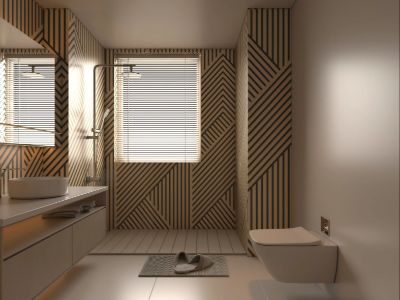
Material Composition: Different formulations of PVC may offer varying levels of UV resistance, moisture resistance, and fire retardancy. Understanding these aspects allows buyers to select sheets suitable for their intended environment, be it a commercial kitchen, bathroom, or industrial setting. For instance, consider using PVC Slat Wall Panels if you need versatile wall covering options.
Buyers should confirm these specifications with the supplier before placing an order to ensure that the chosen product meets their project's specific needs.