 EN
Ceiling cladding is an essential aspect of interior design and functionality, particularly in commercial and industrial applications. The right cladding for ceiling can enhance aesthetics, improve acoustics, and resist moisture, making it crucial for buyers to understand the key considerations when selecting materials. This article will address the main buyer concerns, including specifications, supplier reliability, and common issues faced with ceiling cladding, to help you make informed purchasing decisions.
Understanding Cost Factors for Bulk Ceiling Cladding Orders
Understanding the specifications of ceiling cladding materials is vital for ensuring they meet your project's requirements. Here are the key specifications to consider:
Material Composition: PVC is a popular choice due to its durability, resistance to moisture, and ease of cleaning. Ensure that the material complies with local building codes and safety standards.
Thickness: The thickness of the cladding affects its durability and insulation properties. Thicker panels can offer better sound insulation and resistance to impact, making them suitable for high-traffic areas.
Dimensions: Standard sizes are often available, but customization may be necessary for specific applications. Consider the dimensions that will best fit your space and any design specifications.
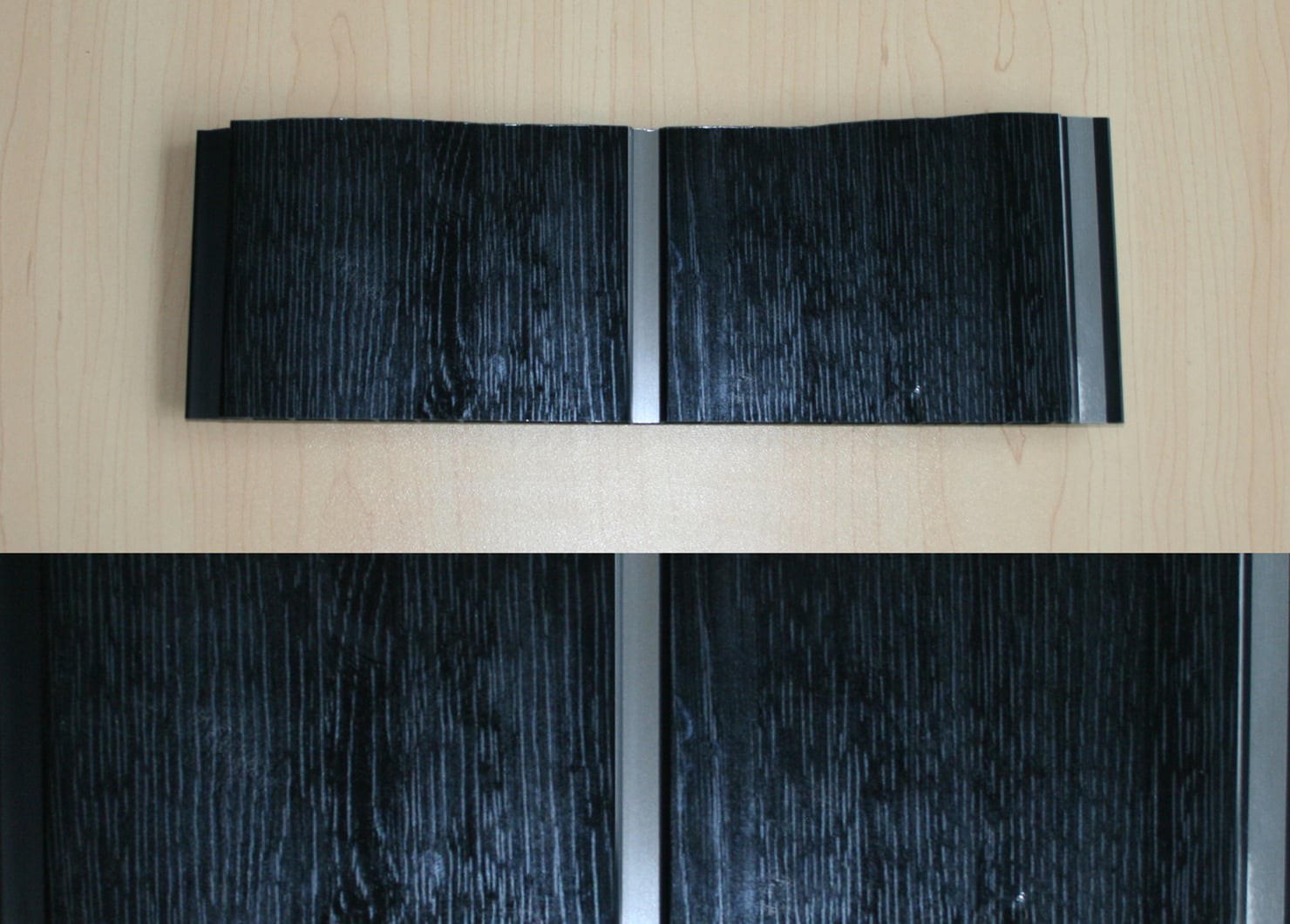
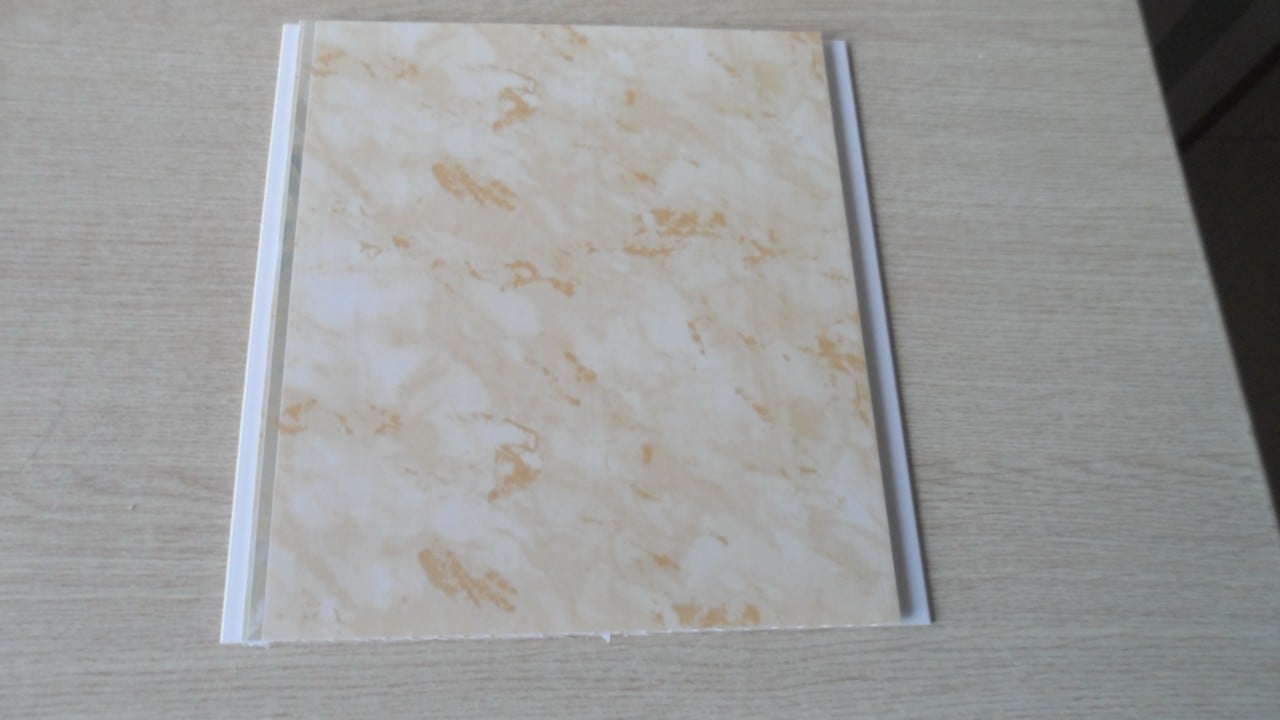
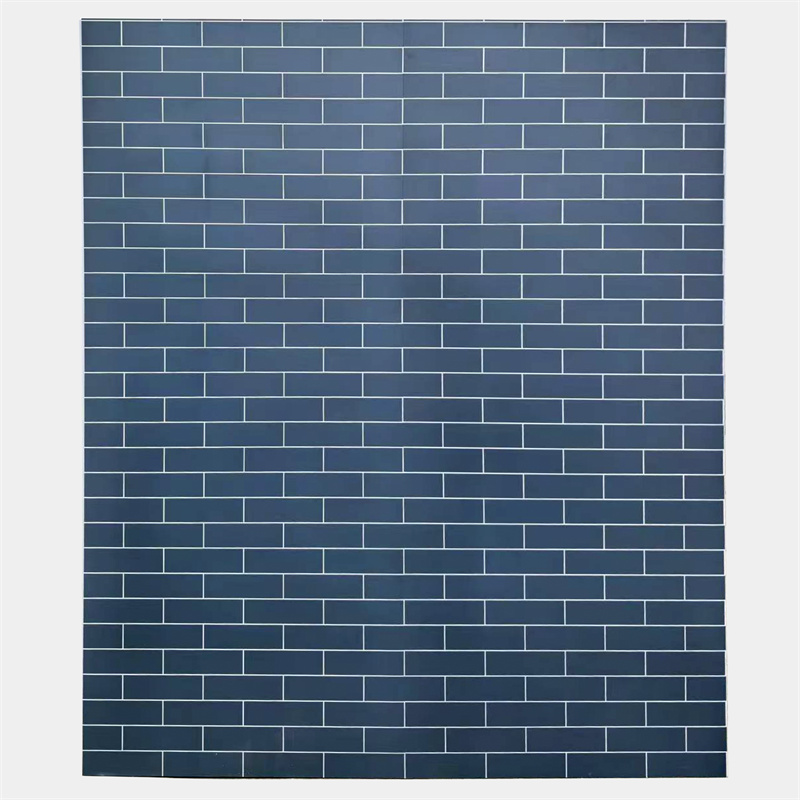
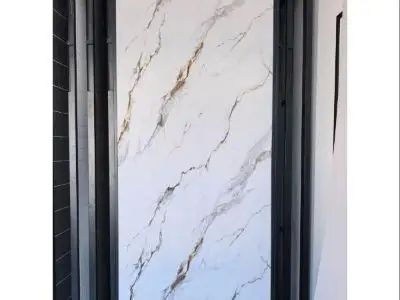
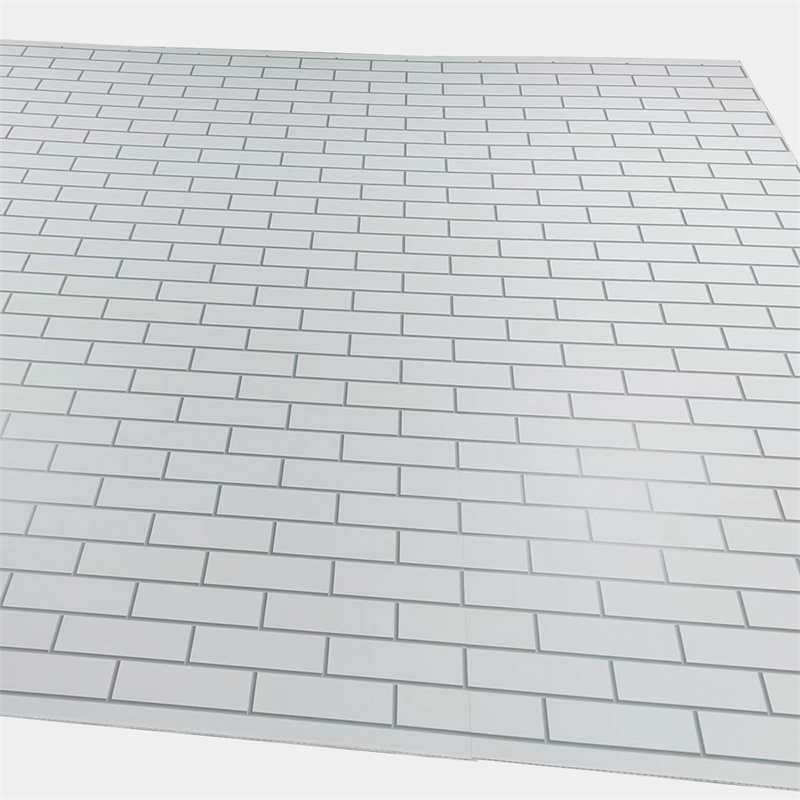
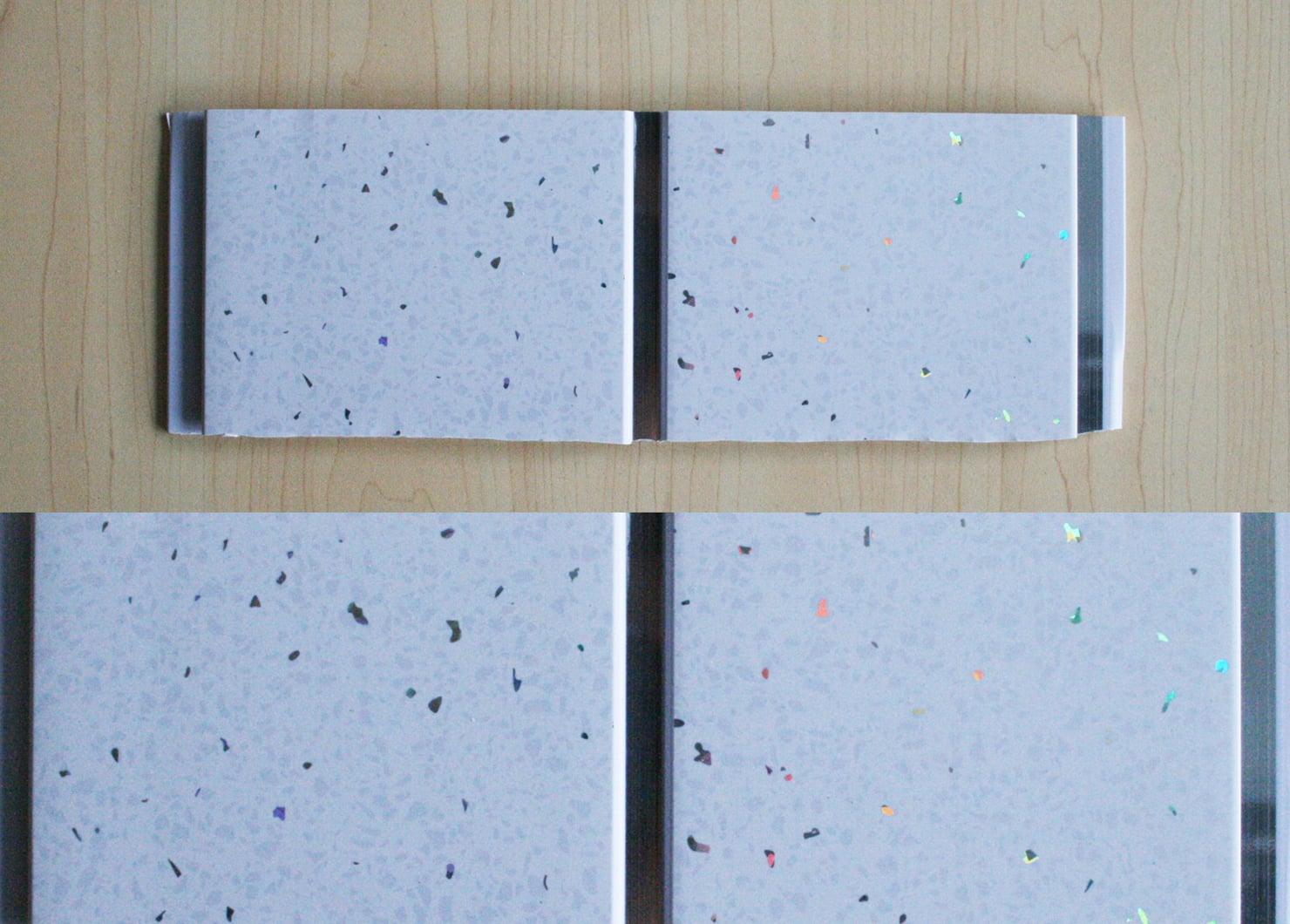
Surface Finish: The finish can impact both aesthetics and functionality. For example, a matte finish may hide imperfections better than a glossy one, while textured surfaces can enhance visual interest.
Weight: Lightweight materials can simplify installation but may require additional considerations for structural support, particularly in commercial environments.
Fire Rating: Ensure that the ceiling cladding material meets fire safety standards relevant to your application.
By carefully evaluating these specifications, you can select ceiling cladding that not only meets aesthetic desires but also adheres to safety and performance standards.