 EN
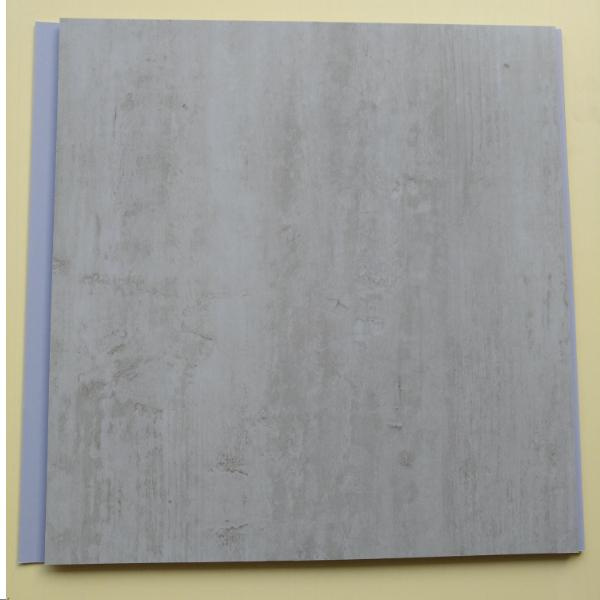
When it comes to designing a bathroom, the ceiling often receives less attention than walls and fixtures. However, incorporating cladding on the bathroom ceiling can enhance both aesthetics and functionality. Bathroom ceiling cladding serves as a protective barrier against moisture and mold, while also offering a stylish finish. For B2B buyers, understanding the various options, specifications, and sourcing strategies for bathroom ceiling cladding is essential to make informed purchasing decisions. This article will outline key considerations for selecting cladding on bathroom ceilings, addressing common buyer concerns, and providing practical solutions.
Key Specifications to Consider in Ceiling Cladding Products
Selecting the right cladding for bathroom ceilings involves understanding several key specifications that affect performance and suitability.
Material: PVC is a popular choice for bathroom ceilings due to its water resistance, durability, and ease of maintenance. It is essential to ensure the material has a high resistance to moisture and can withstand the unique demands of a bathroom environment.
Thickness: The thickness of the panels can influence their durability and insulation properties. Thicker panels often provide better insulation and soundproofing, which can be beneficial in a bathroom setting.
Dimensions: Standard sizes may vary, so it’s crucial to verify the dimensions that fit your installation requirements. Custom sizes may also be necessary for unique architectural features.
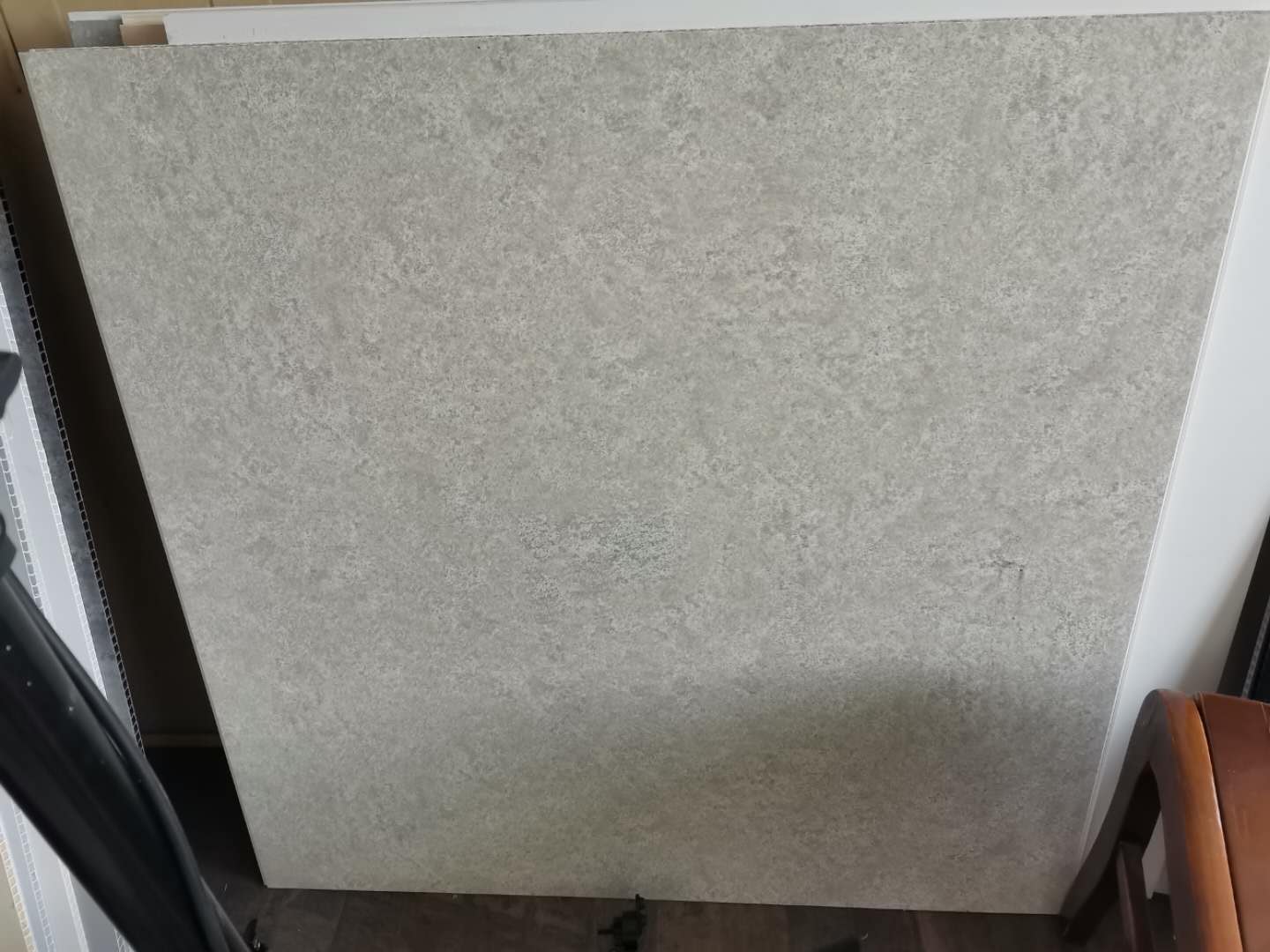
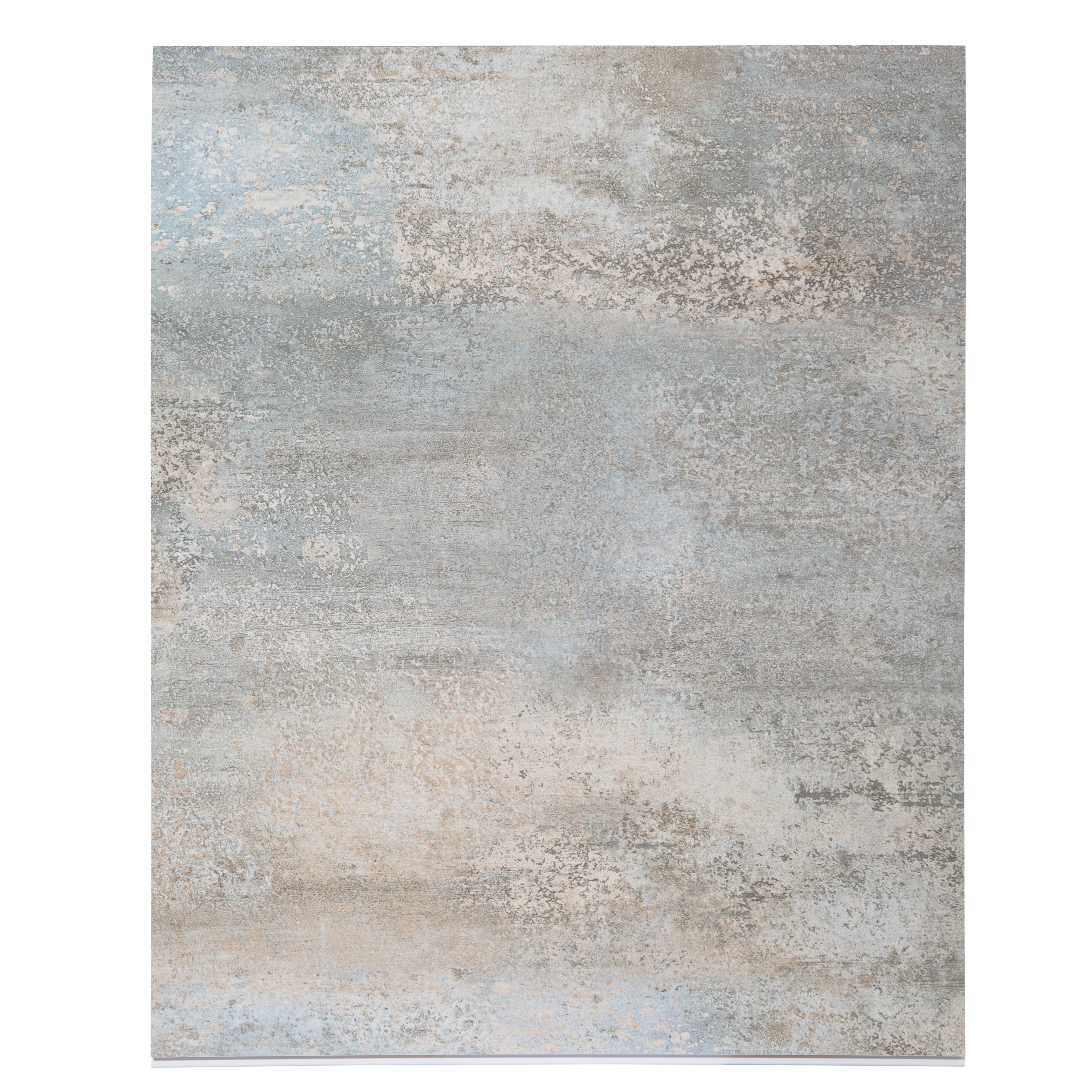
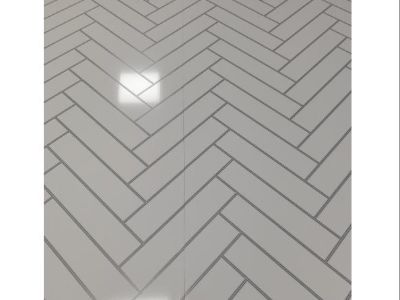
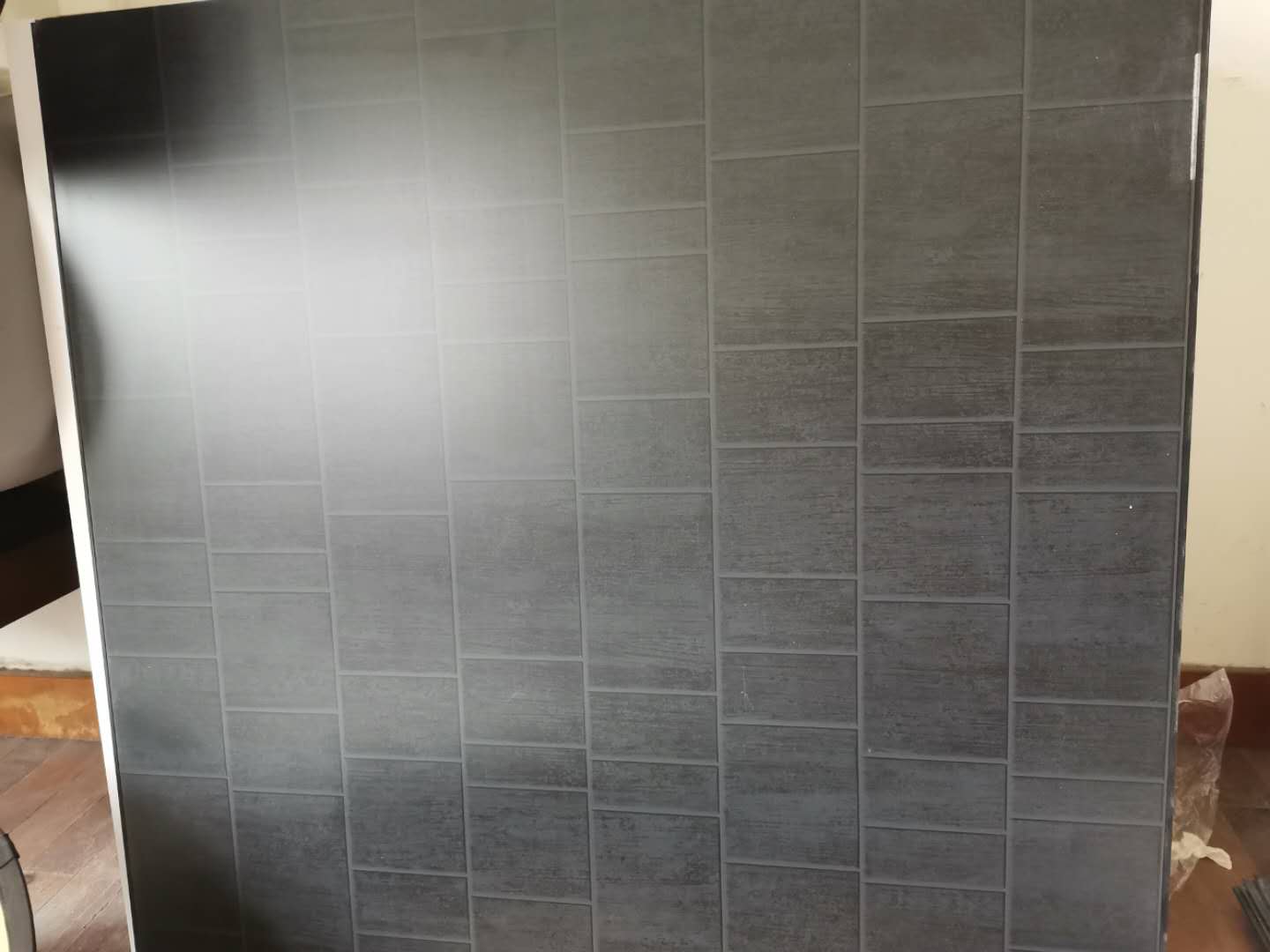
Surface Finish: The surface treatment can impact both aesthetics and functionality. For instance, a gloss finish may be easier to clean but might show water spots, while a matte finish can hide imperfections but may require more maintenance.
Installation Method: Understanding how the panels will be installed – whether through direct glue application, clip systems, or other methods – is crucial for ensuring a secure fit and long-lasting performance.