 EN
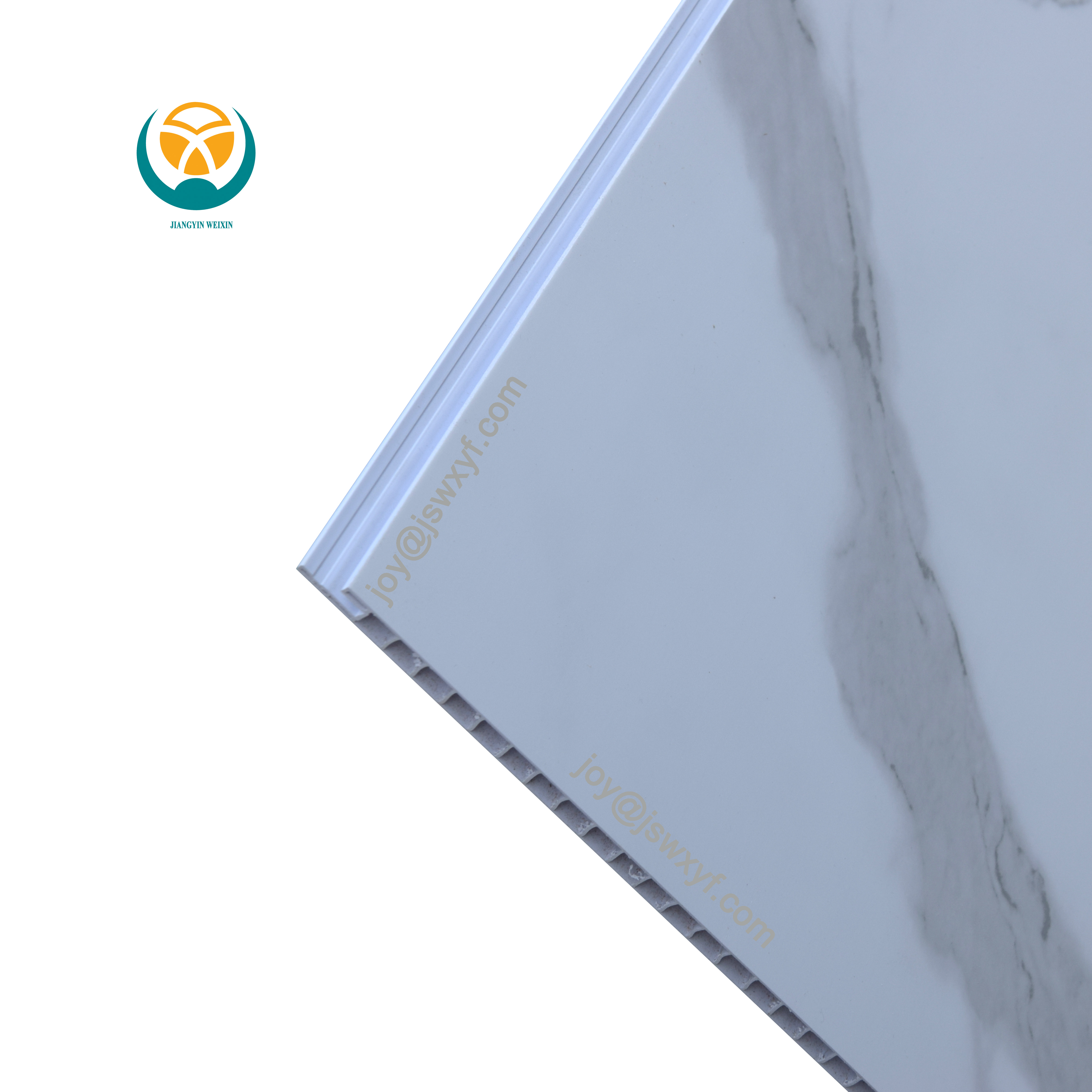
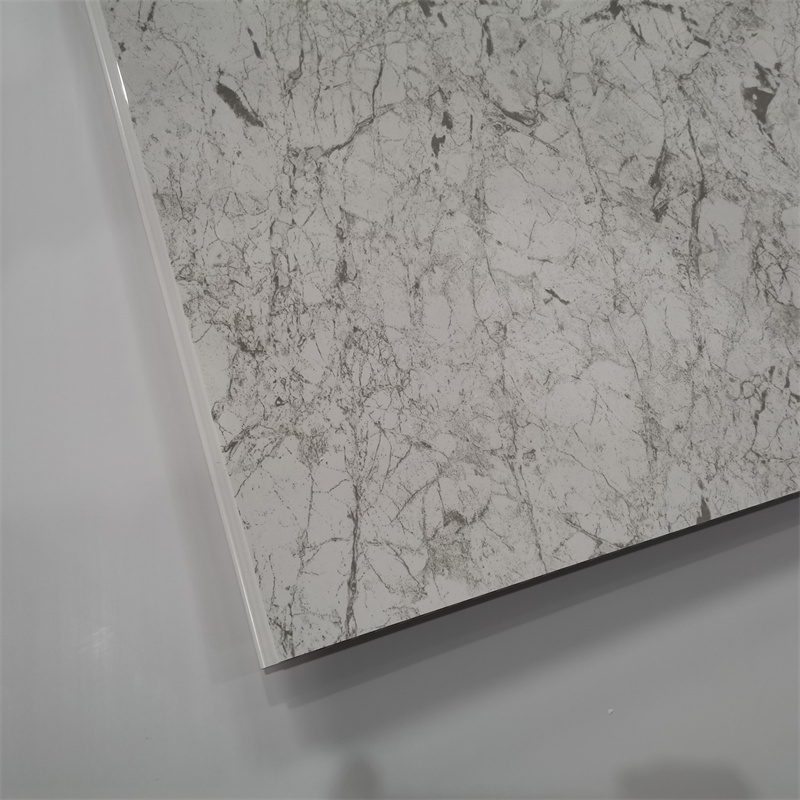
PVC bathroom cladding is an innovative solution designed to enhance the aesthetics and functionality of bathroom spaces. With a focus on moisture resistance and durability, cladding made from PVC offers a lightweight and easy-to-install alternative to traditional materials. For B2B buyers, understanding the nuances of selecting, installing, and evaluating PVC bathroom cladding is essential. This article aims to provide insights into reliable suppliers, installation requirements, quality standards, cost factors, and common issues associated with PVC bathroom cladding, guiding purchasing managers and engineers in making informed decisions.
Understanding Installation Requirements for PVC Bathroom Cladding
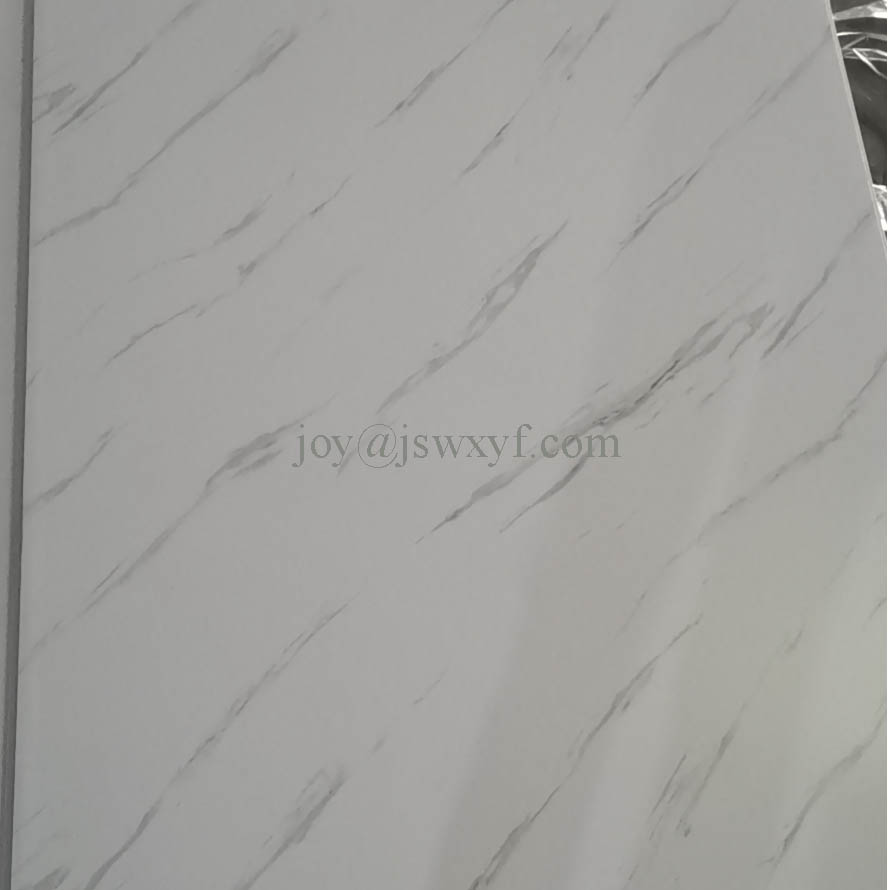
Installing PVC bathroom cladding requires careful planning and execution to ensure a seamless fit and long-lasting performance. The first step is to prepare the surface where the cladding will be installed, ensuring it is clean, dry, and free from any debris. Most PVC cladding panels are designed for easy installation, often using adhesive or mechanical fasteners.
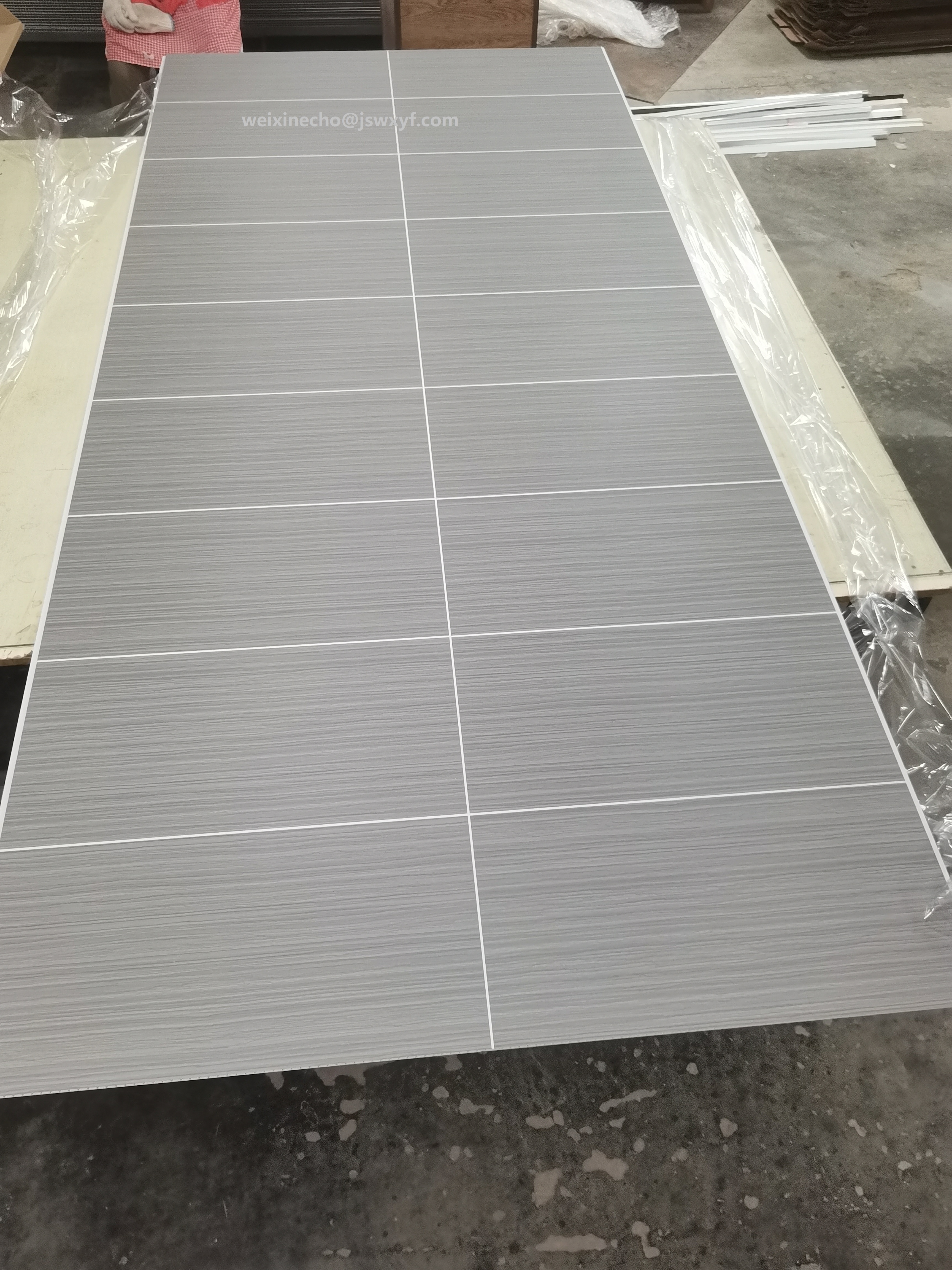
It's essential to consider the panel dimensions and layout during installation. Panels should be cut accurately to fit the space, and proper sealing should be applied to joints to prevent water ingress. For best results, always refer to the manufacturer's installation guidelines, as specific recommendations may vary based on panel type and design. For instance, some panels may require specific adhesives or additional sealing methods to meet moisture resistance criteria.
Additionally, proper ventilation during installation is crucial to prevent mold growth and ensure the longevity of the cladding. If you are unsure about the installation process, consulting with professionals who have experience with PVC bathroom cladding can provide valuable insights.