 EN
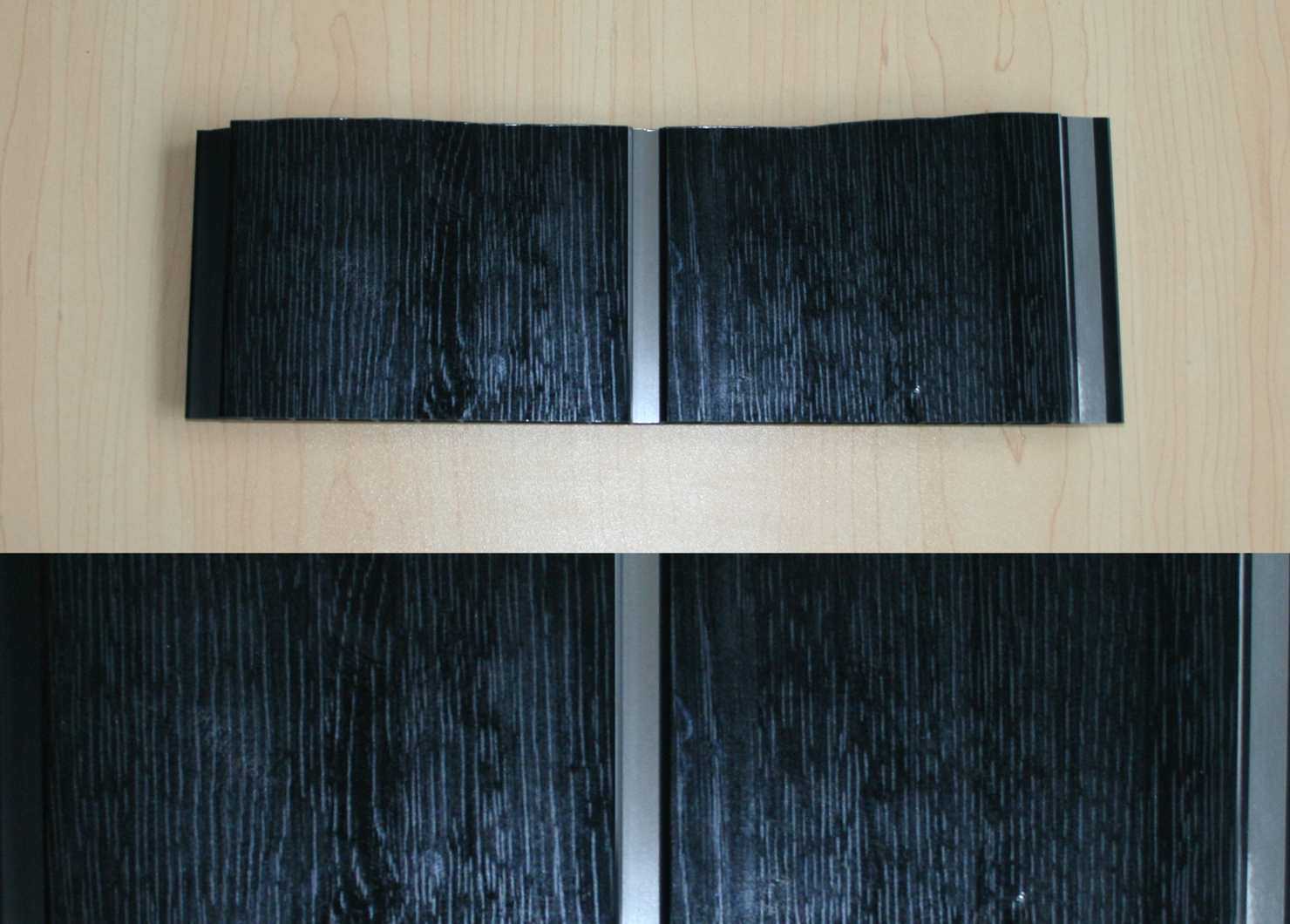
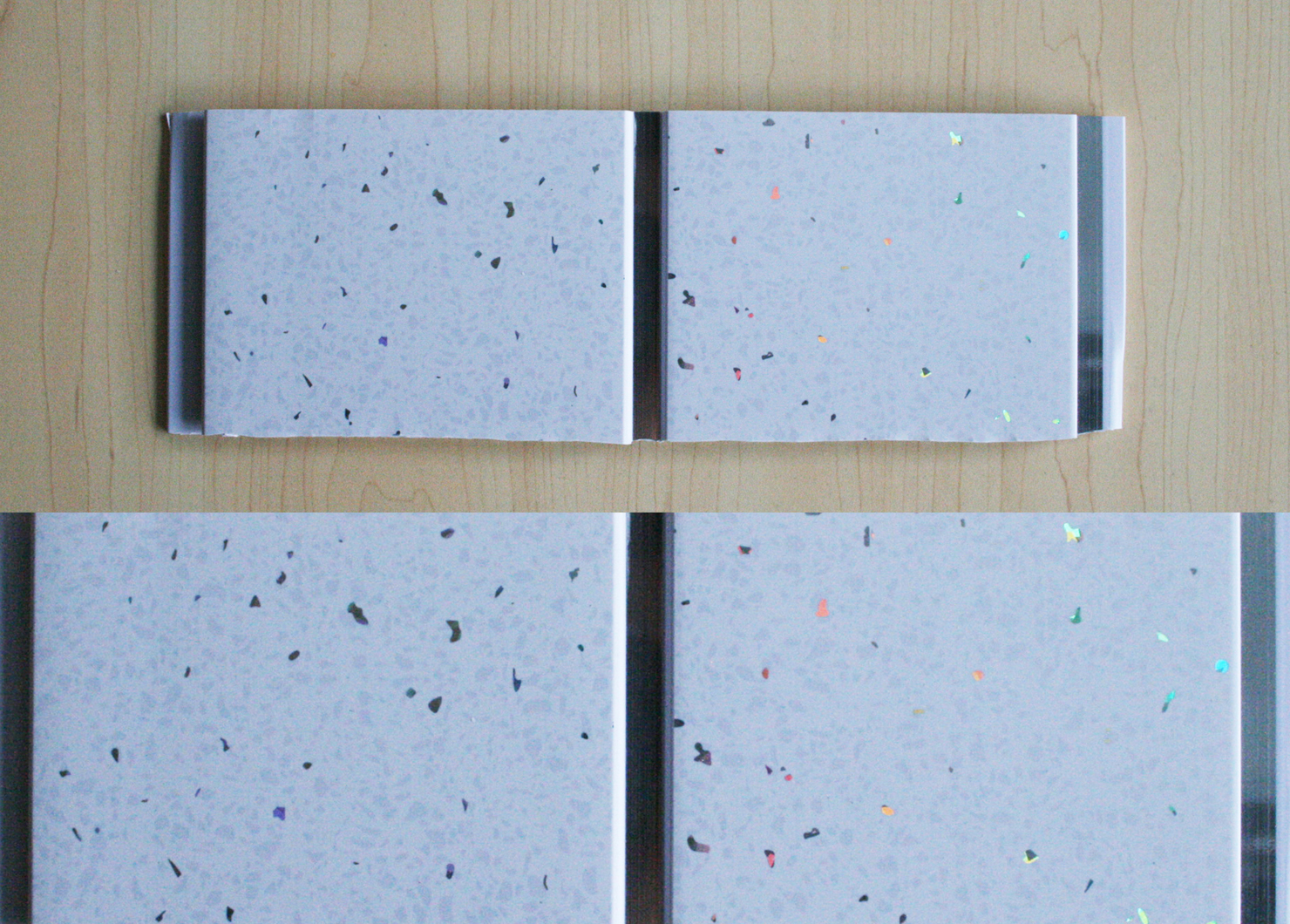
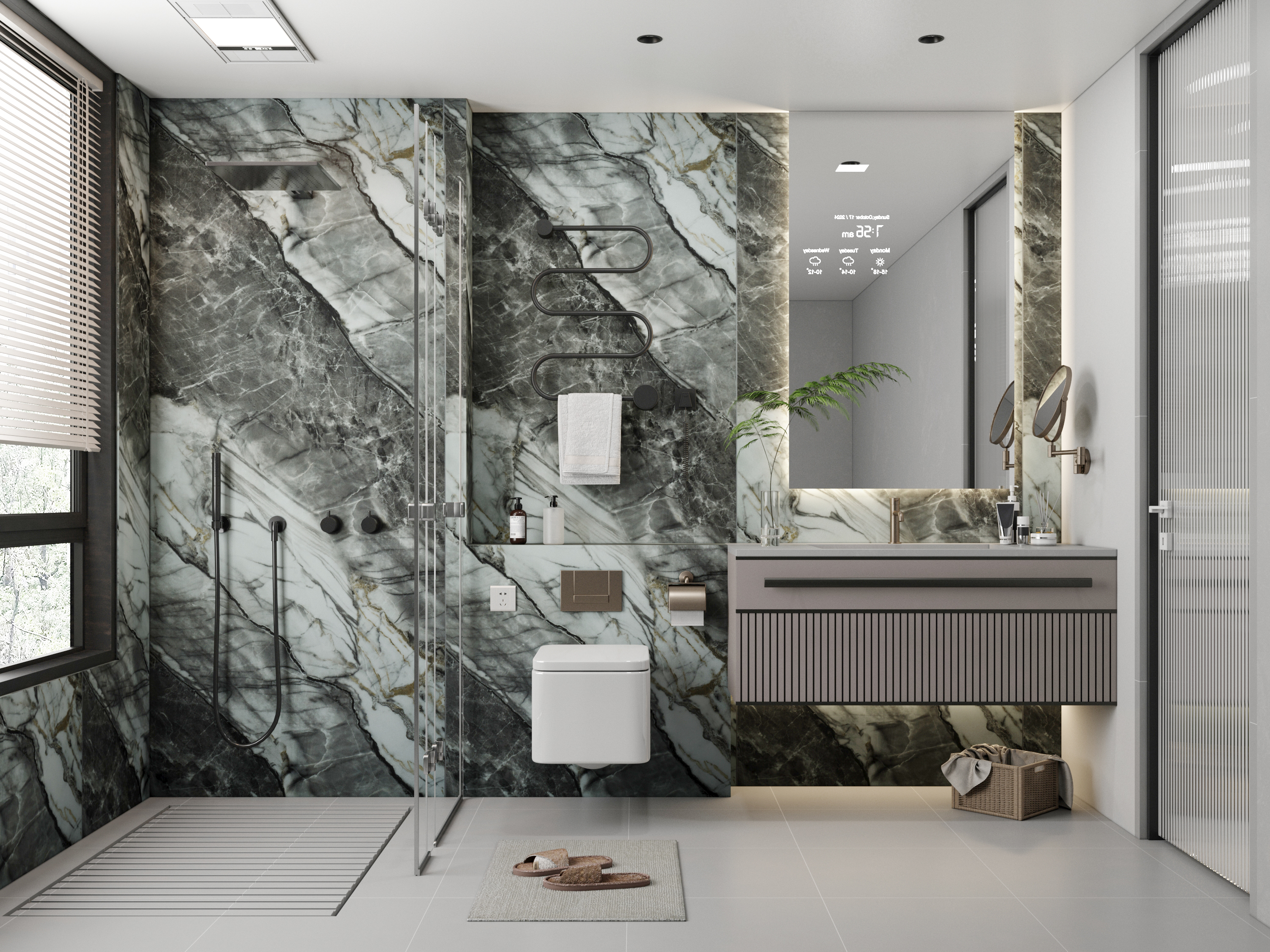
Decorative PVC ceiling panels are increasingly popular in various commercial and industrial applications due to their versatility, aesthetic appeal, and ease of installation. Purchasing managers and distributors often seek to understand the key specifications and installation requirements before making a decision. This article aims to provide essential insights into selecting, installing, and applying decorative PVC ceiling panels, ensuring buyers can make informed choices that align with their project needs. For more information on related products, check our Related Accessories.
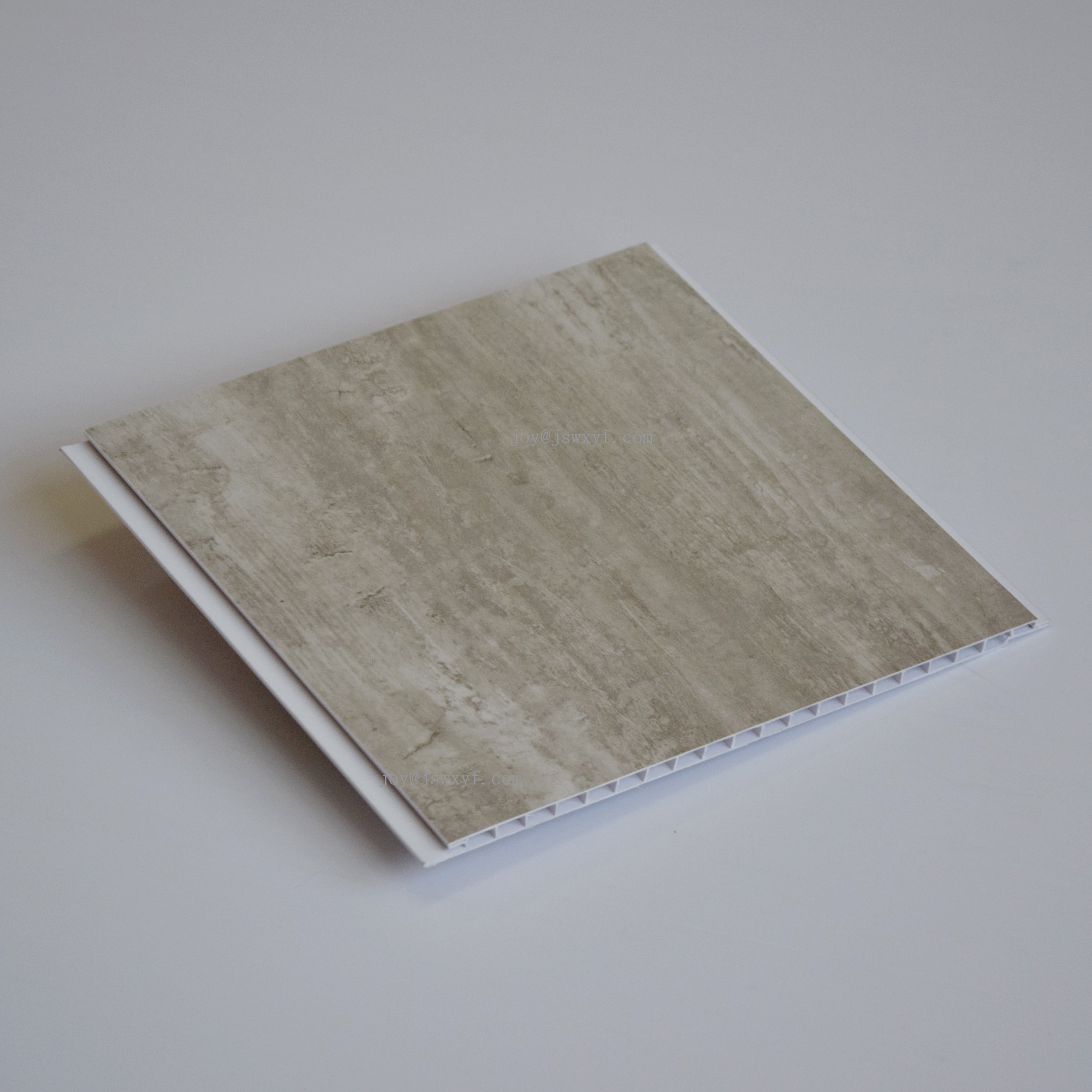
Key Specifications to Evaluate When Selecting PVC Ceiling Panels
When evaluating PVC ceiling panels, several key specifications should be carefully reviewed to ensure product suitability:
Dimensions: Standard dimensions for decorative PVC ceiling panels often include lengths of 2.5m to 3m and widths of 20cm to 30cm. Buyers should verify that the dimensions align with the intended installation area to avoid compatibility issues.
Weight: The weight of the panels can influence installation methods and structural requirements. Lighter panels are generally easier to install, while heavier panels may require additional support.
Fire Resistance Ratings: Fire safety is a critical concern in commercial spaces. Buyers should check for fire resistance ratings (e.g., Class B or Class C) to ensure compliance with local building codes.
Acoustic Properties: If sound insulation is a priority, buyers should look for panels designed with acoustic properties that can help reduce noise transmission between spaces.
Environmental Resistance: Depending on the application, panels may need to withstand various environmental conditions, such as humidity, temperature fluctuations, and chemical exposure. It is essential to confirm these specifications based on the intended usage.
By thoroughly evaluating these specifications, buyers can ensure that their selected PVC ceiling panels will meet both aesthetic and functional requirements.