 EN
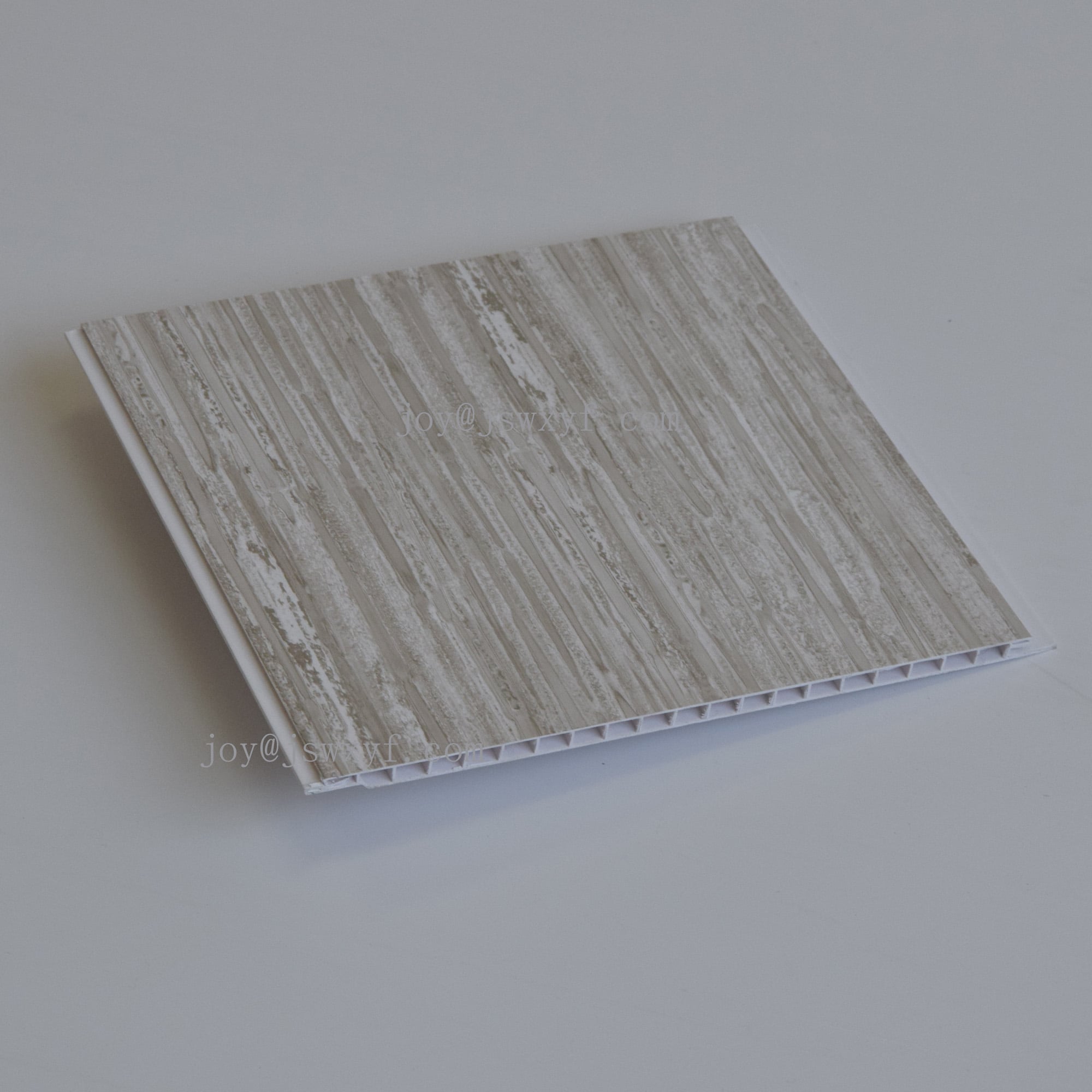
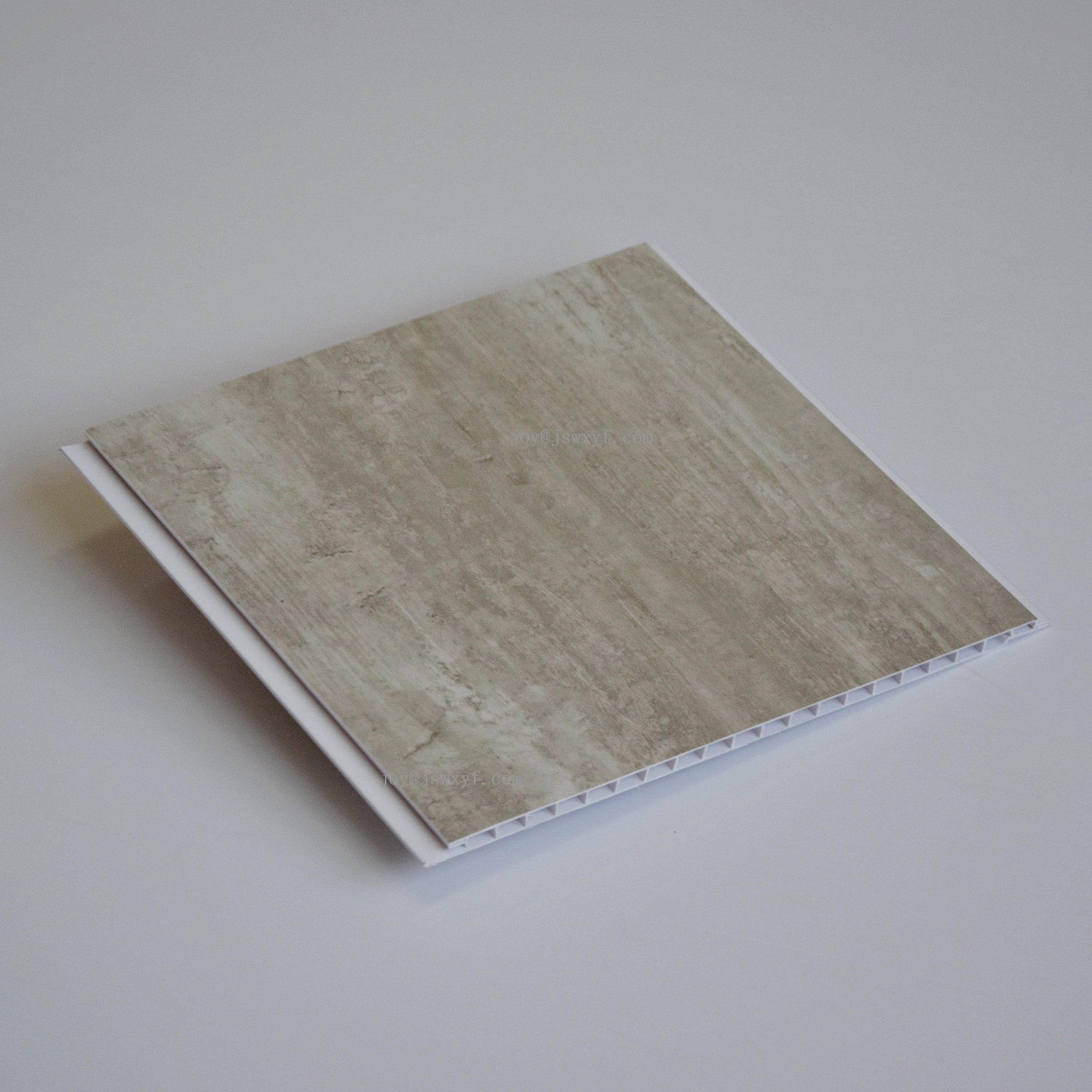
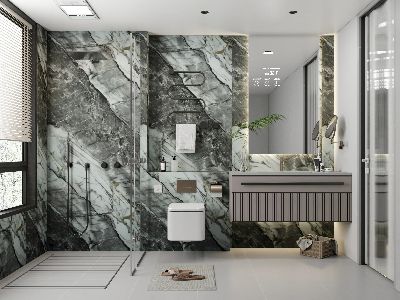
PVC ceiling cladding is a versatile and practical solution for various commercial environments, offering both aesthetic appeal and durability. As a product widely used in construction and renovation projects, understanding its specifications, cost factors, installation guidance, common issues, and applications is crucial for purchasing managers, engineers, and other decision-makers. This article will provide in-depth insights to help you make informed choices when sourcing PVC ceiling cladding for your projects.
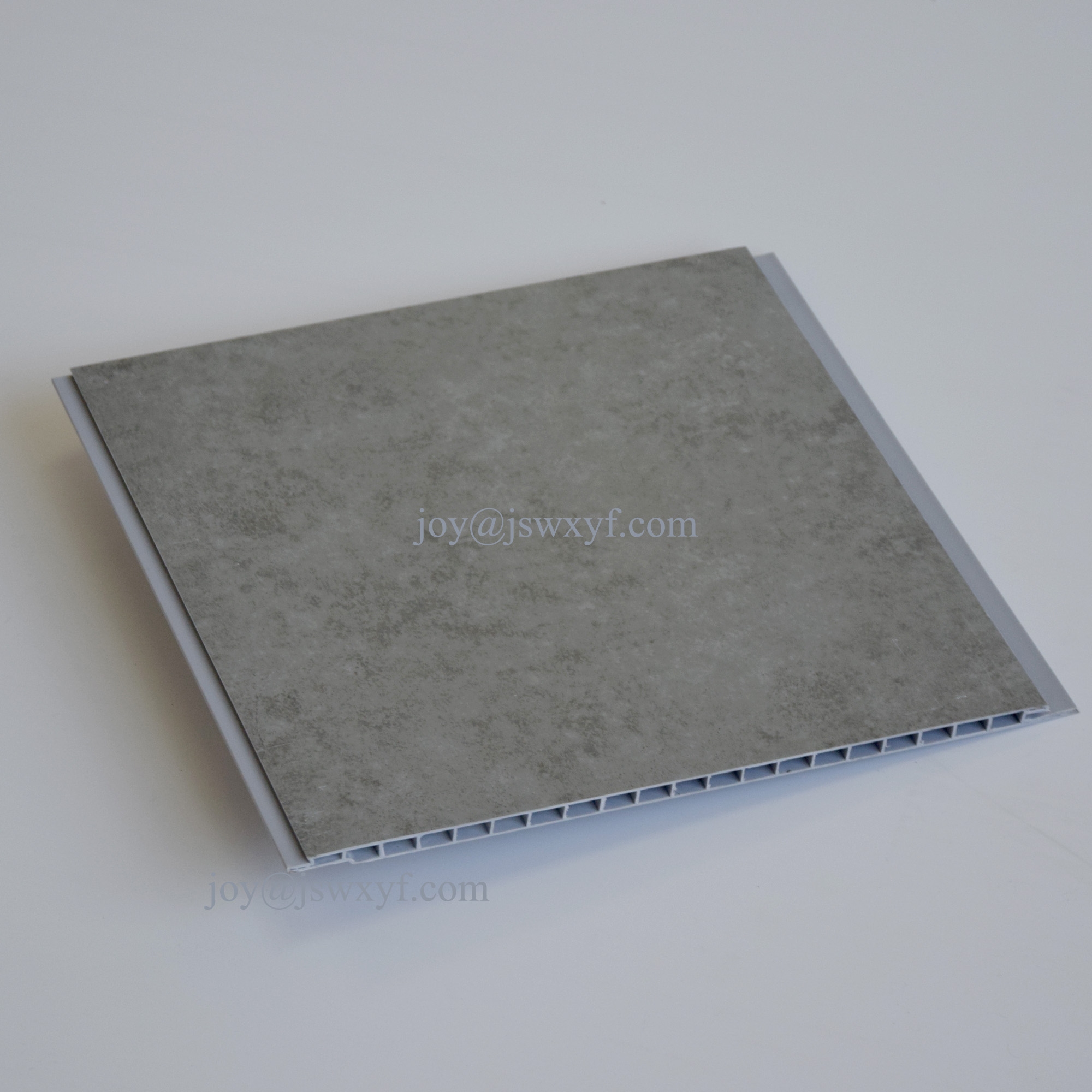
Cost Factors to Consider When Sourcing PVC Ceiling Cladding
The cost of PVC ceiling cladding can vary significantly based on several factors:
Material Quality: Higher-quality PVC may come with a higher price tag, but it often provides better durability and aesthetics. Low-cost options may save money upfront but could lead to higher long-term costs due to maintenance and replacement needs.
Panel Size and Thickness: Larger and thicker panels typically cost more due to the increased material usage. Evaluating your project requirements can help you balance cost with performance.
Customization Options: Custom designs or specific colors may incur additional costs. If your project requires unique specifications, be prepared for potential increases in both material and production costs.
Transportation and Import Duties: If sourcing from overseas suppliers, consider shipping costs and any applicable import duties that can add to the overall cost. For more economical options, check out our Related Accessories that can complement your project.
Understanding these cost factors will aid in budgeting and selecting the most cost-effective options for your needs.