 EN
PVC sheets are versatile and widely used in various applications, primarily due to their durability, moisture resistance, and aesthetic appeal. As a key player in the manufacturing of PVC panels, Jiangyin Weixin Plastic Co., Ltd. brings 30 years of expertise in providing high-quality PVC Shower Wall Panels, ceiling, and slat wall panels. This article will explore the key considerations when evaluating PVC sheet designs, including bulk order options, specifications, reliable suppliers, cost factors, and applications across different industries, helping you make informed purchasing decisions.
How to Evaluate PVC Sheet Specifications for Your Needs
Evaluating PVC sheet specifications is crucial to ensure that the product meets your application requirements. Key specifications to consider include thickness, dimensions, surface treatment, and material composition.
Thickness: The thickness of PVC sheets affects their durability and application suitability. Thicker sheets generally provide better impact resistance and longevity. Depending on the intended use—be it for shower walls or ceiling panels—you'll want to select a thickness that can withstand expected wear and moisture exposure.
Dimensions: Standard sizes are common, but custom dimensions might be necessary for specific projects. Ensure that the dimensions align with your installation requirements to avoid unnecessary waste and additional costs.
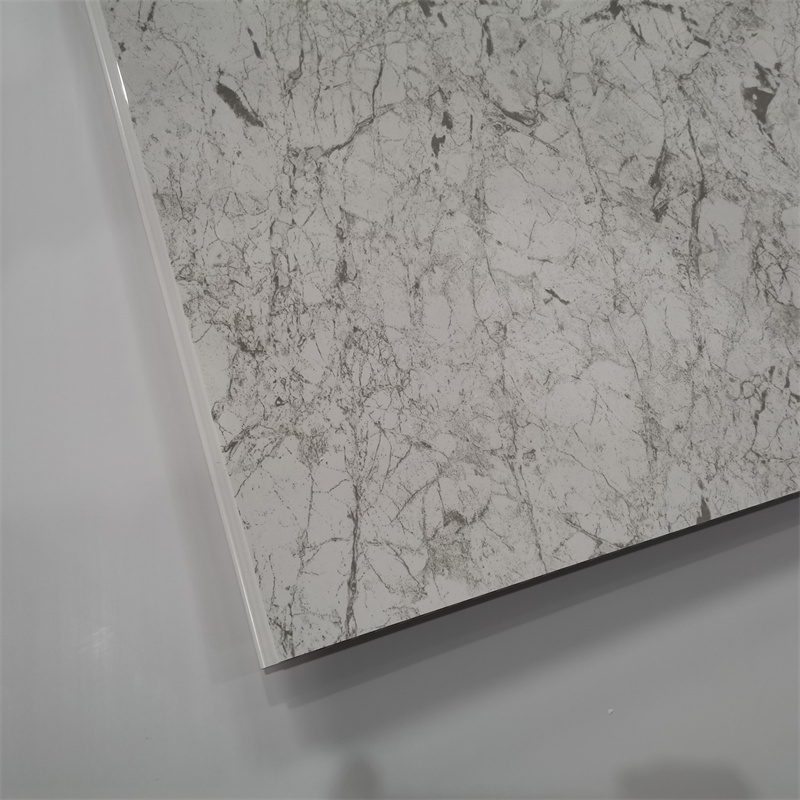
Surface Treatment: The type of surface finish impacts both aesthetics and functionality. For instance, a gloss finish may be preferred for aesthetic applications, while a matte surface can offer improved scratch resistance. Understanding the trade-offs will help you select the right finish for your needs.
Material Composition: Not all PVC is created equal. Investigate the composition of the PVC sheets to ensure they meet safety and regulatory standards, particularly if they are to be used in commercial or residential applications.
By thoroughly assessing these specifications, you can avoid common pitfalls such as material incompatibility or underperformance in specific environments.