 EN
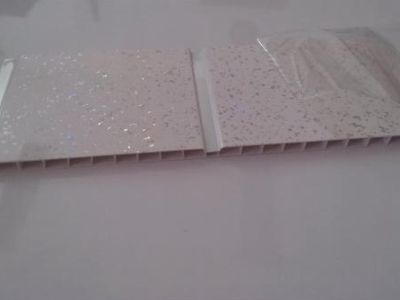
PVC wall panels for roofs are increasingly popular in construction due to their durability, aesthetic appeal, and ease of installation. These panels are designed to withstand various weather conditions while providing a clean and modern look. As a B2B buyer, your primary concerns may include product specifications, cost-effectiveness, sourcing reliable suppliers, and ensuring the panels meet your project requirements. This article will guide you through selecting the right PVC wall panel for roofing, understanding key specifications, evaluating cost factors, solving common issues, and sourcing dependable suppliers.
Key Specifications of PVC Wall Panels for Roof Applications
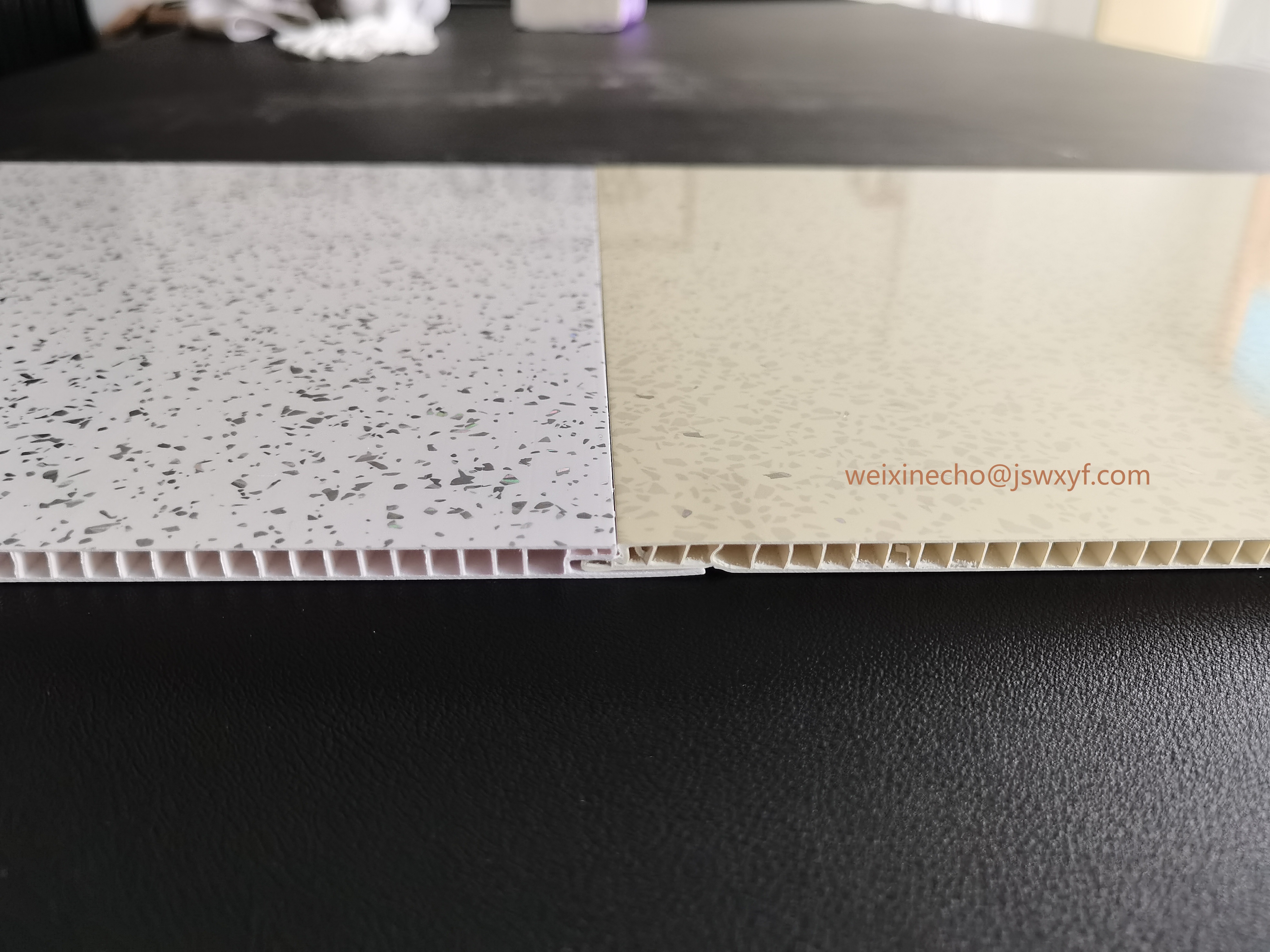
When evaluating PVC wall panels, pay attention to the following key specifications:
Thickness: Typically ranging from 5mm to 10mm, the thickness impacts insulation, durability, and resistance to impact. Thicker panels are more suitable for heavy-duty applications.
Dimensions: Standard dimensions may vary, but common lengths are around 2.4m to 3m. Ensure that dimensions align with your project requirements to minimize waste and optimize installation.
Material Composition: PVC panels should be manufactured from high-quality, UV-resistant materials to prevent fading and degradation over time. The chemical composition can affect performance, so confirm with the manufacturer about specific additives used for enhanced durability.
Fire Rating: Depending on local regulations, check if the panels meet necessary fire-safety standards, which is crucial for compliance and safety.
Water Resistance: Ensure that the panels have a solid water-tight seal, especially if used in areas prone to heavy rainfall or moisture.
Understanding these specifications will help you assess whether a particular product meets your application needs and standards.