 EN
When selecting shower enclosure wall panels, buyers face various considerations, from material quality to manufacturing capabilities. The shower enclosure panels are essential components in modern bathrooms, providing not only aesthetic appeal but also functionality and durability. This article will guide you through critical aspects such as choosing the right PVC panels, evaluating specifications, sourcing options, cost factors, and their applications across different industries.
Key Specifications to Evaluate When Sourcing Shower Wall Panels
When sourcing shower enclosure wall panels, it’s essential to evaluate several key specifications:
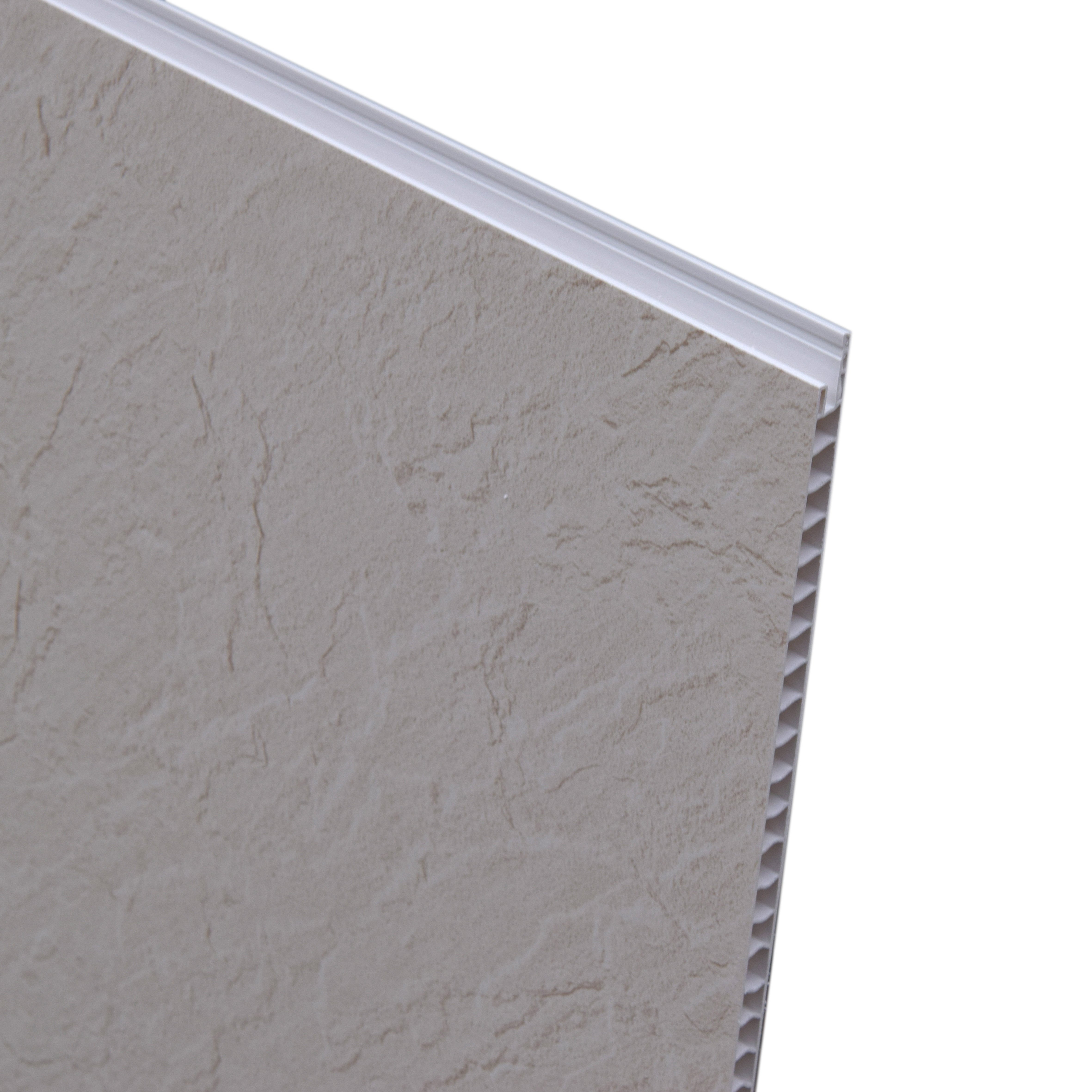
Thickness: The thickness of the panels typically ranges from 5mm to 10mm. Thicker bathroom shower wall panels provide better structural integrity and resistance to warping. Ensure that the thickness aligns with your durability requirements.
Water Resistance: Check for certifications or specifications indicating the panels' water resistance capabilities. This is critical to prevent water damage and ensure longevity.
Surface Treatment: Panel surfaces may be treated for added resistance to scratches and stains. This can significantly impact maintenance and appearance over time.
Weight: While PVC panels are lightweight, understanding the weight is important for installation, especially if the panels will be mounted on walls that may not support heavy loads.
Fire Ratings: Depending on local regulations, considering the fire safety rating of the panels may also be necessary.