 EN
UPVC sheets are versatile plastic panels widely used in various industries due to their durability, resistance to moisture, and ease of installation. As a purchasing manager or distributor, understanding the key factors about UPVC sheets, including their specifications, quality control measures, and common applications, can guide you in making informed purchasing decisions. This article will delve into essential considerations for bulk orders, compare specifications for optimal performance, and discuss typical issues you may encounter, along with effective solutions.
Comparing UPVC Sheet Specifications for Optimal Performance
Selecting the right UPVC sheets involves understanding various specifications that directly impact performance. Key specifications include thickness, surface finish, and material composition.
Thickness: UPVC sheets come in multiple thicknesses, generally ranging from 2mm to 10mm. Thicker sheets tend to provide better durability and resistance to physical impacts, while thinner sheets may be more cost-effective for lighter applications.
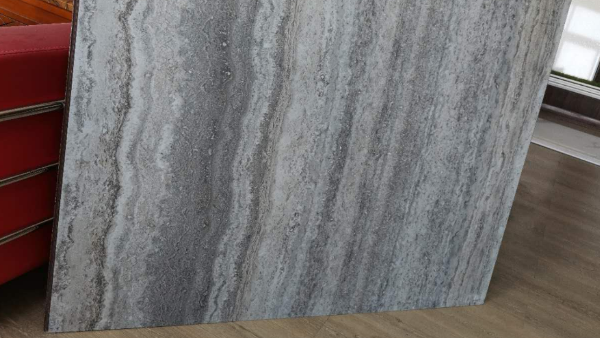
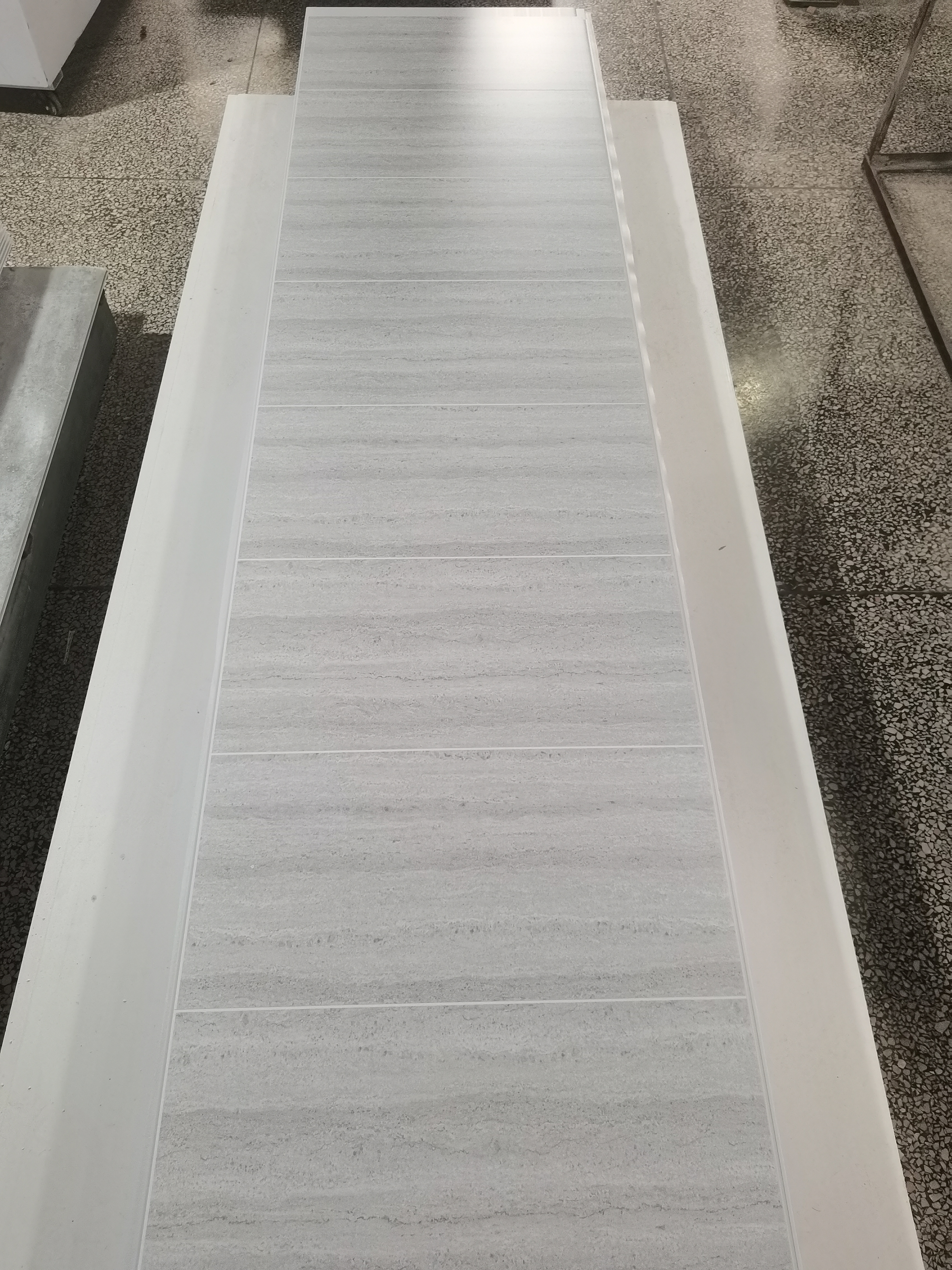
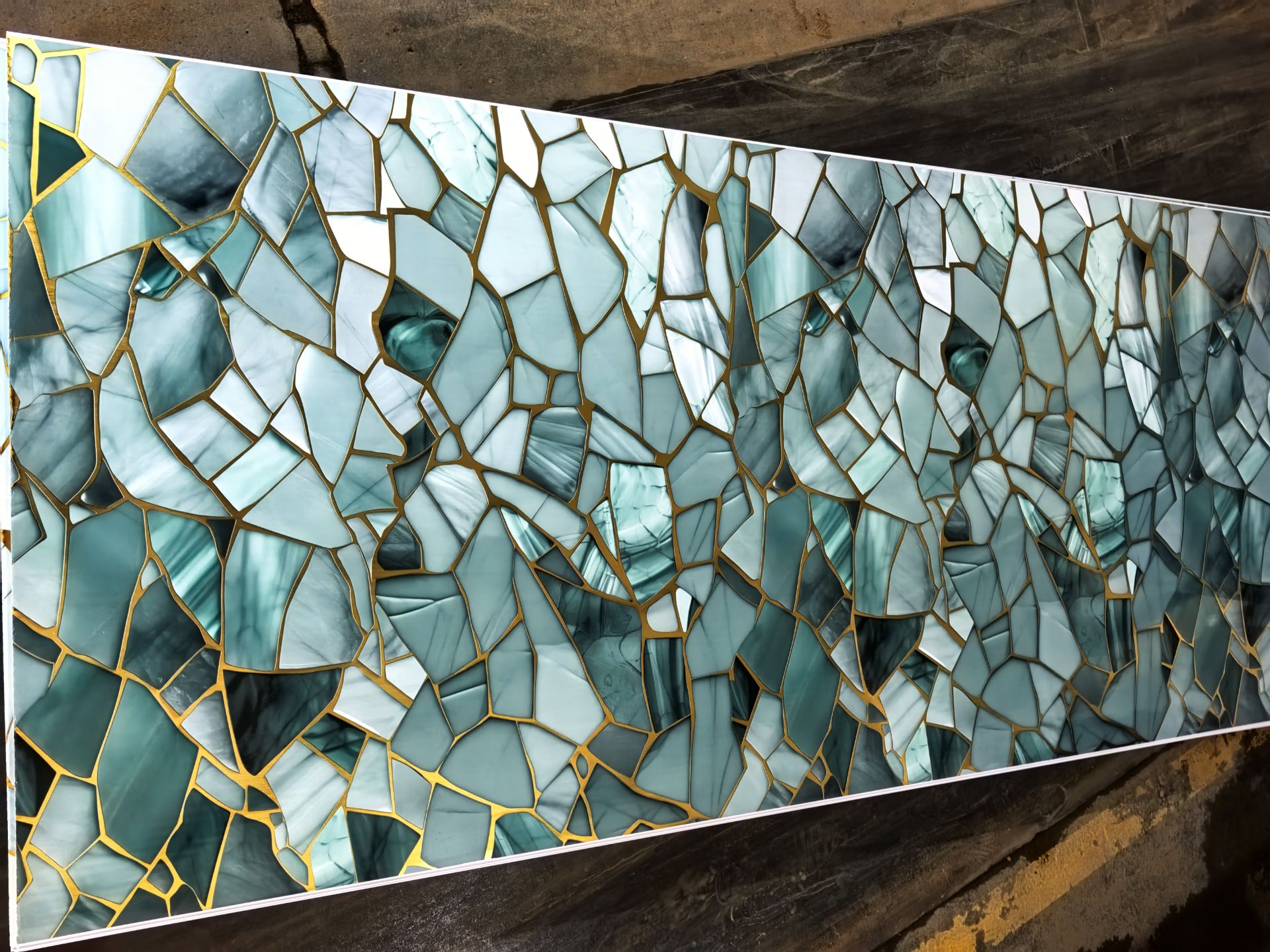
Surface Finish: The surface treatment can significantly affect aesthetics and performance. Smooth finishes are often easier to clean, while textured finishes can enhance grip in flooring applications. If you require digital printing or lamination, ensure that the surface is compatible with your intended printing techniques.
Material Composition: The quality of the UPVC material itself plays a crucial role in the sheet's long-term performance. High-quality UPVC sheets will have better UV resistance, meaning they will not fade or degrade quickly when exposed to sunlight. This is particularly important for outdoor applications or environments with high exposure to sunlight. For further options, consider PVC Slat Wall Panels that may suit your needs.
Understanding these specifications can help you select UPVC sheets that are not only suitable for your application but also cost-effective in the long run.