 EN
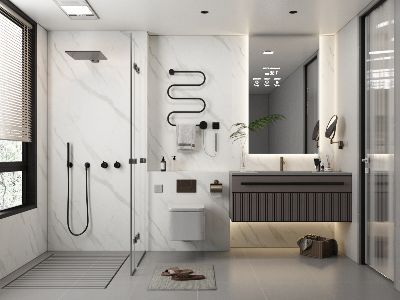
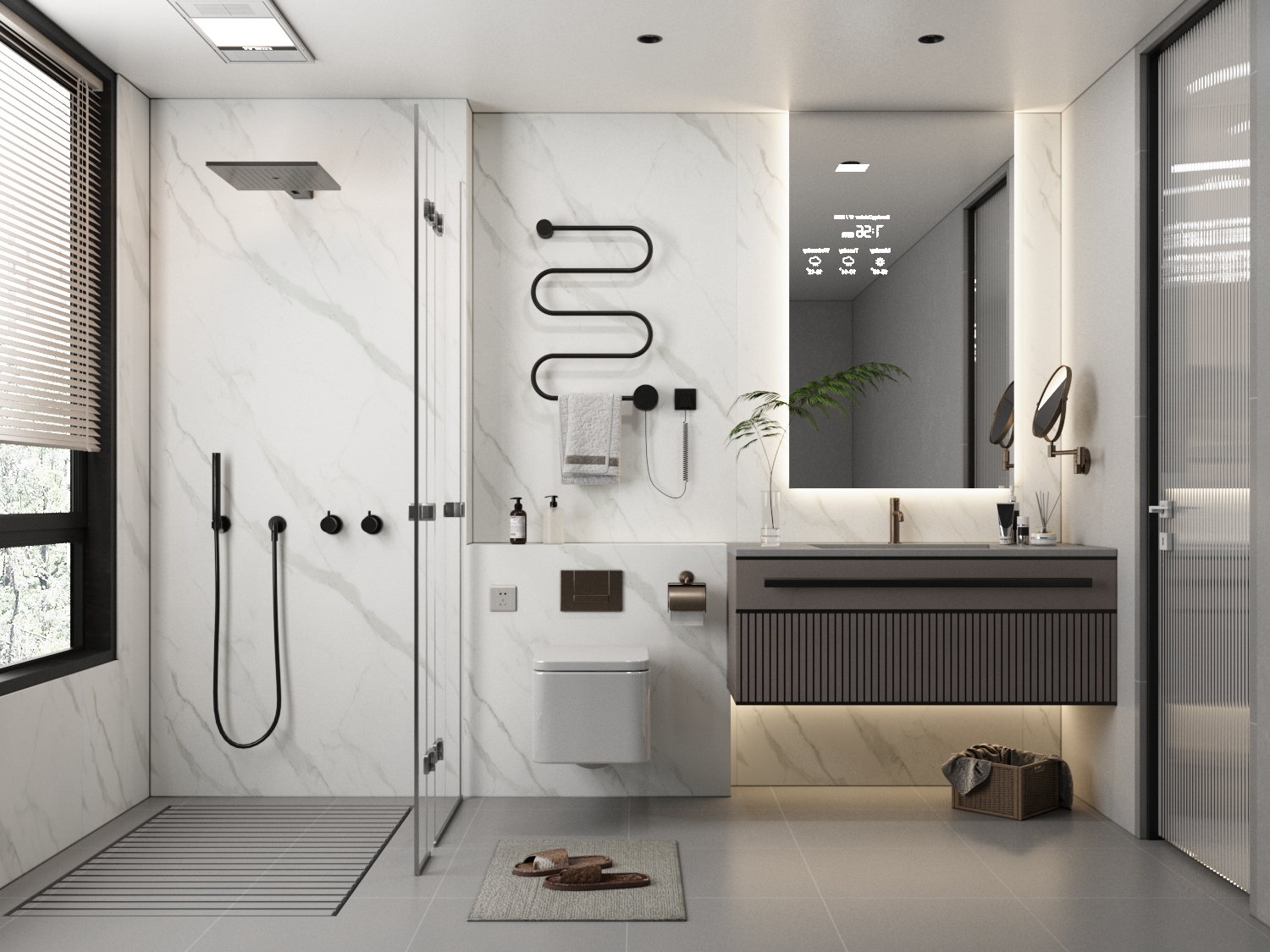
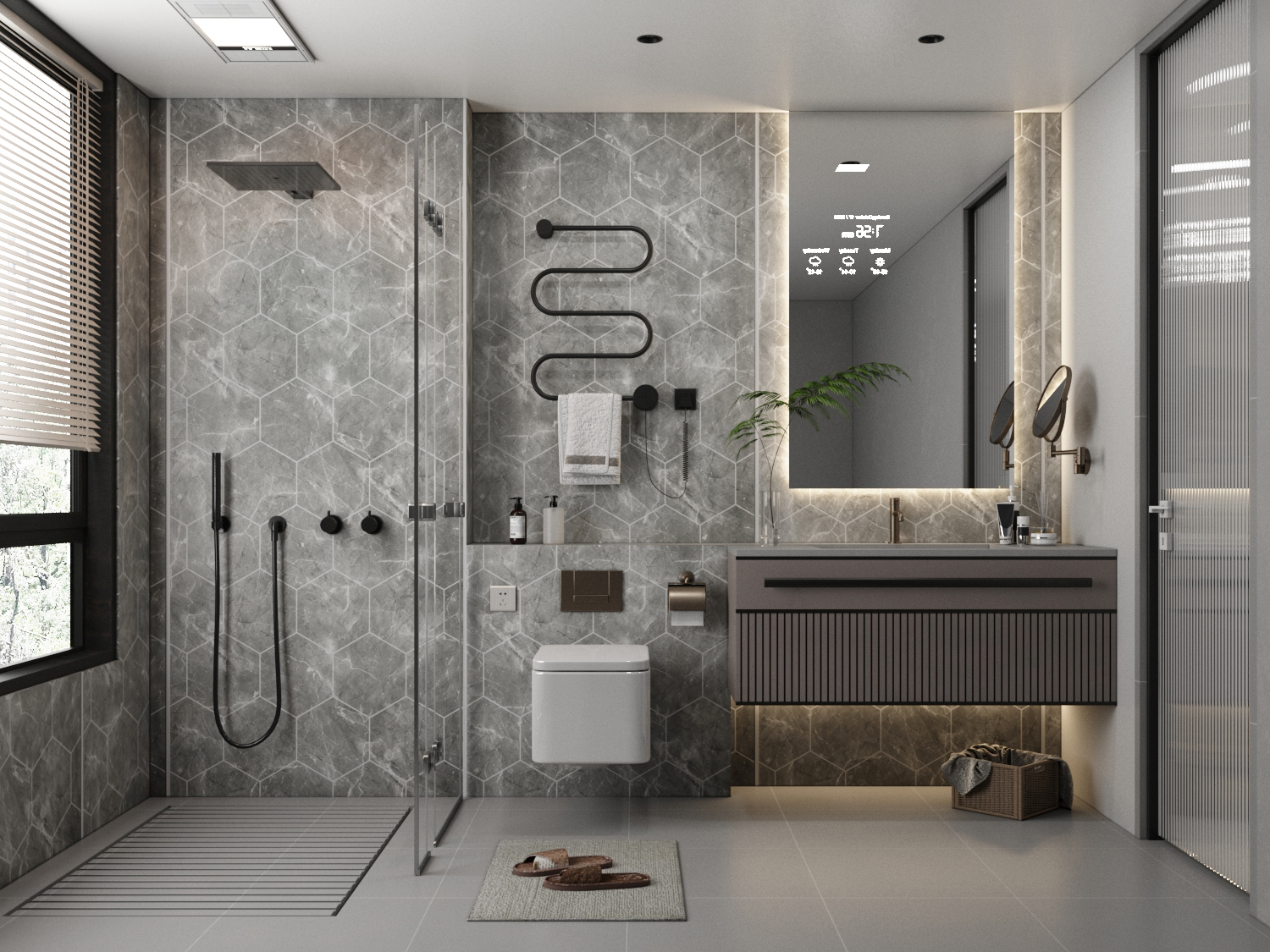
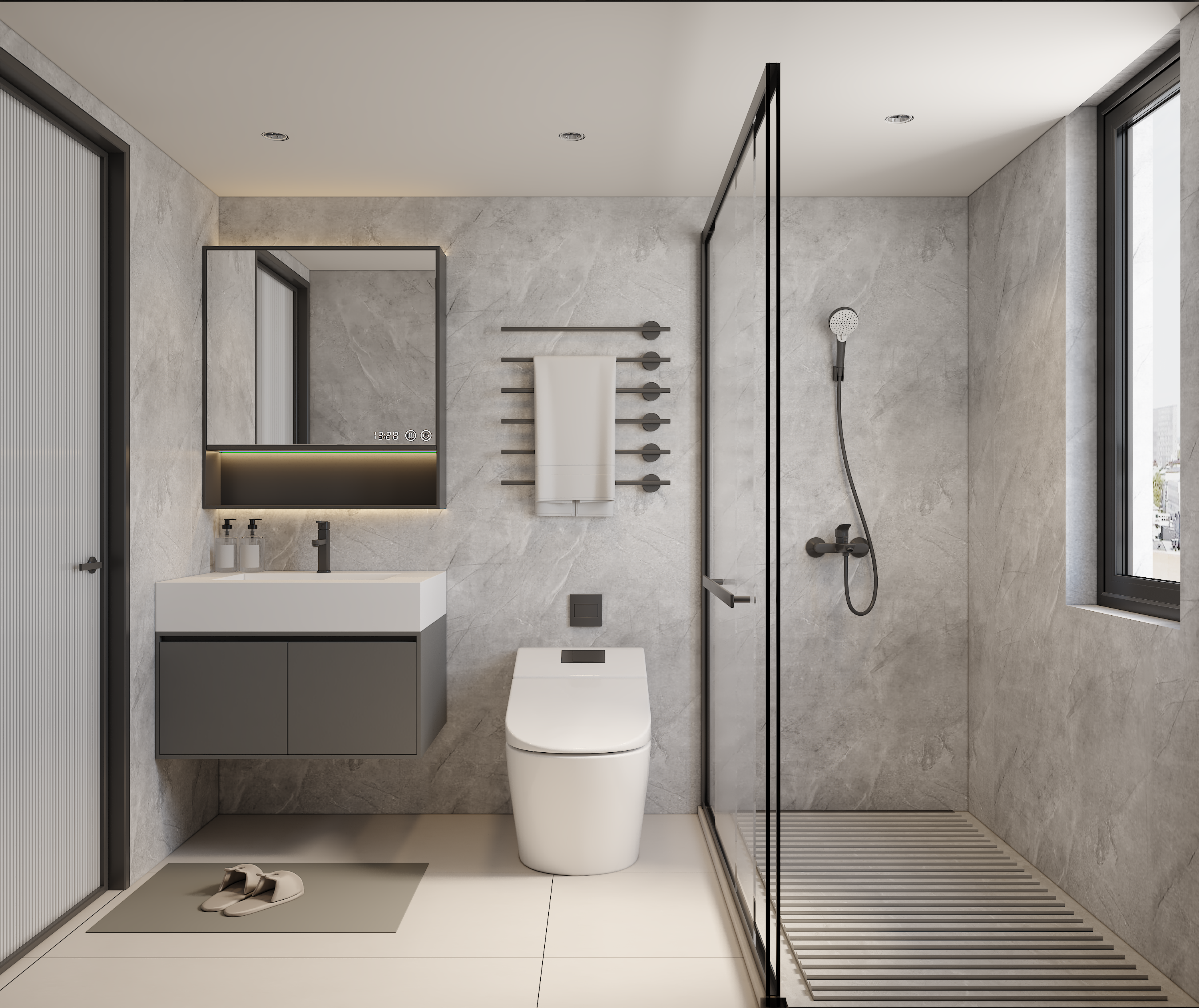
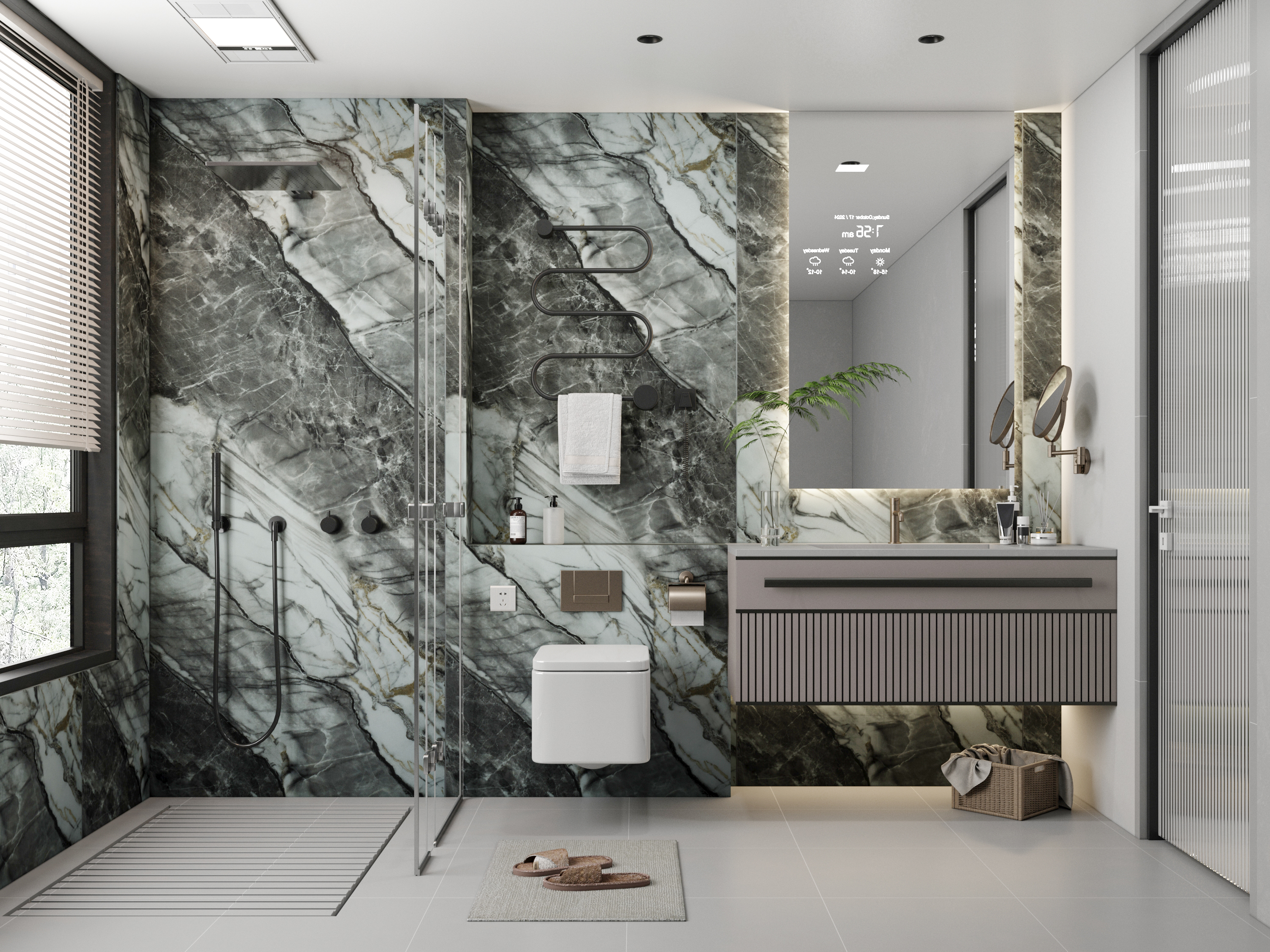
When sourcing bathroom wall boards, it's essential to understand the various materials, specifications, and applications involved. Bathroom wall boards are a popular choice for both residential and commercial projects due to their durability, moisture resistance, and aesthetic appeal. For B2B buyers, such as purchasing managers and contractors, the decision-making process involves ensuring the right product selection, quality, and suitability for specific applications. This article aims to provide insights into choosing bathroom wall boards, helping buyers make informed purchasing decisions.
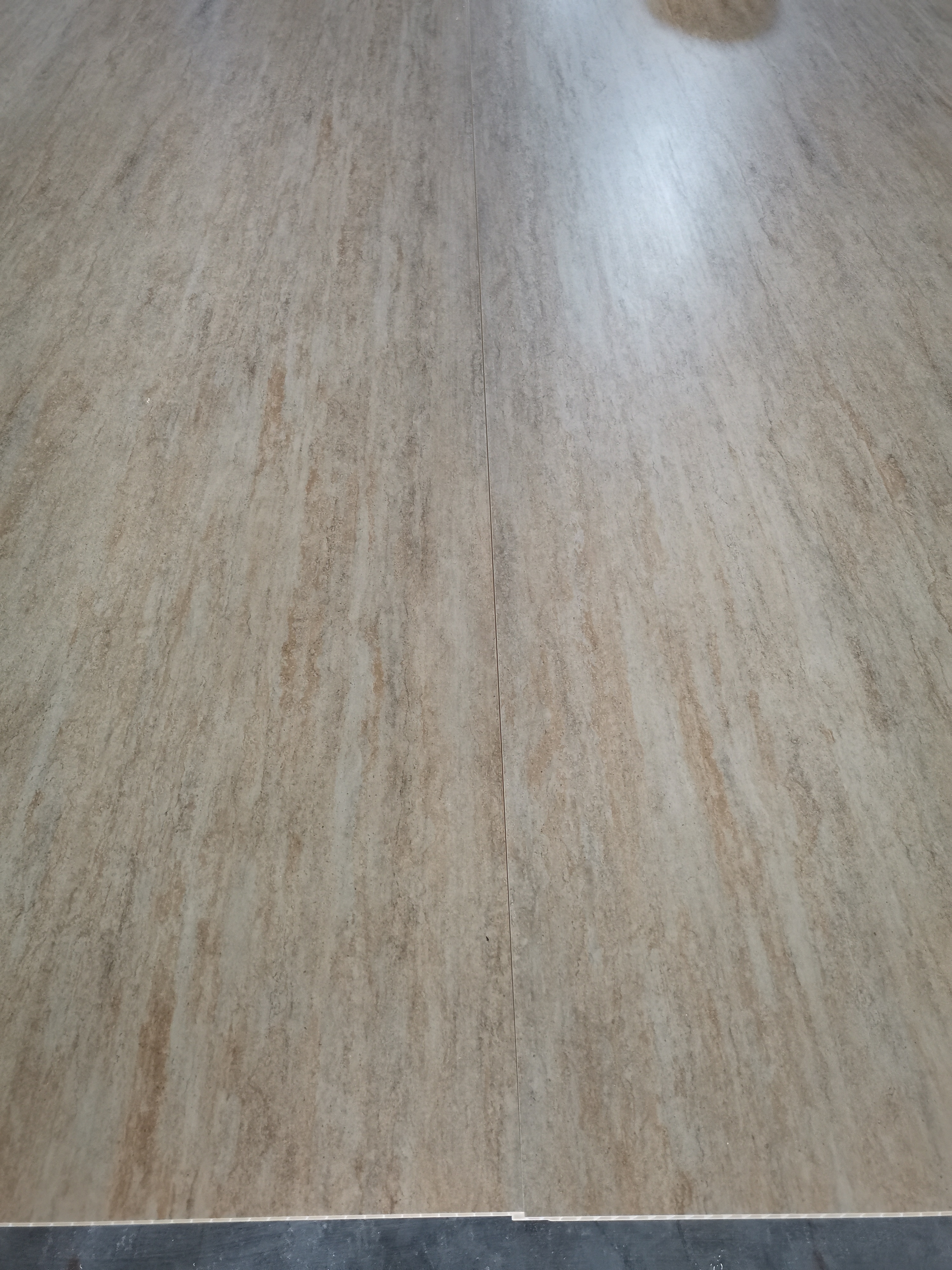
Key Specifications to Consider When Sourcing Bathroom Wall Boards
When sourcing bathroom wall boards, several specifications are critical to ensure the product meets performance requirements.
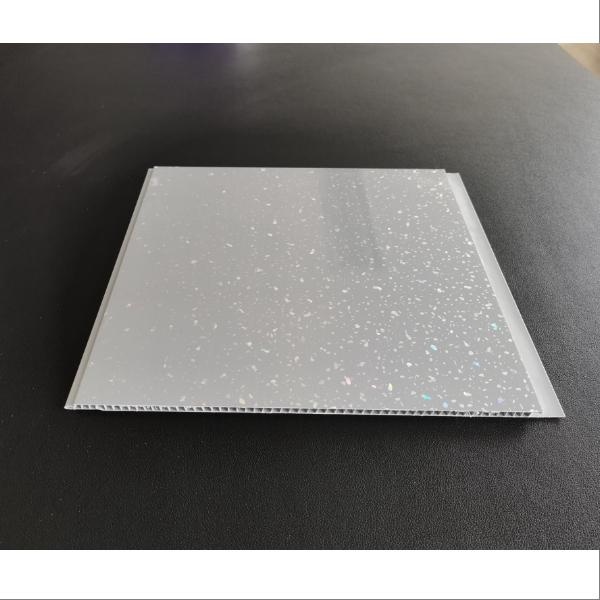
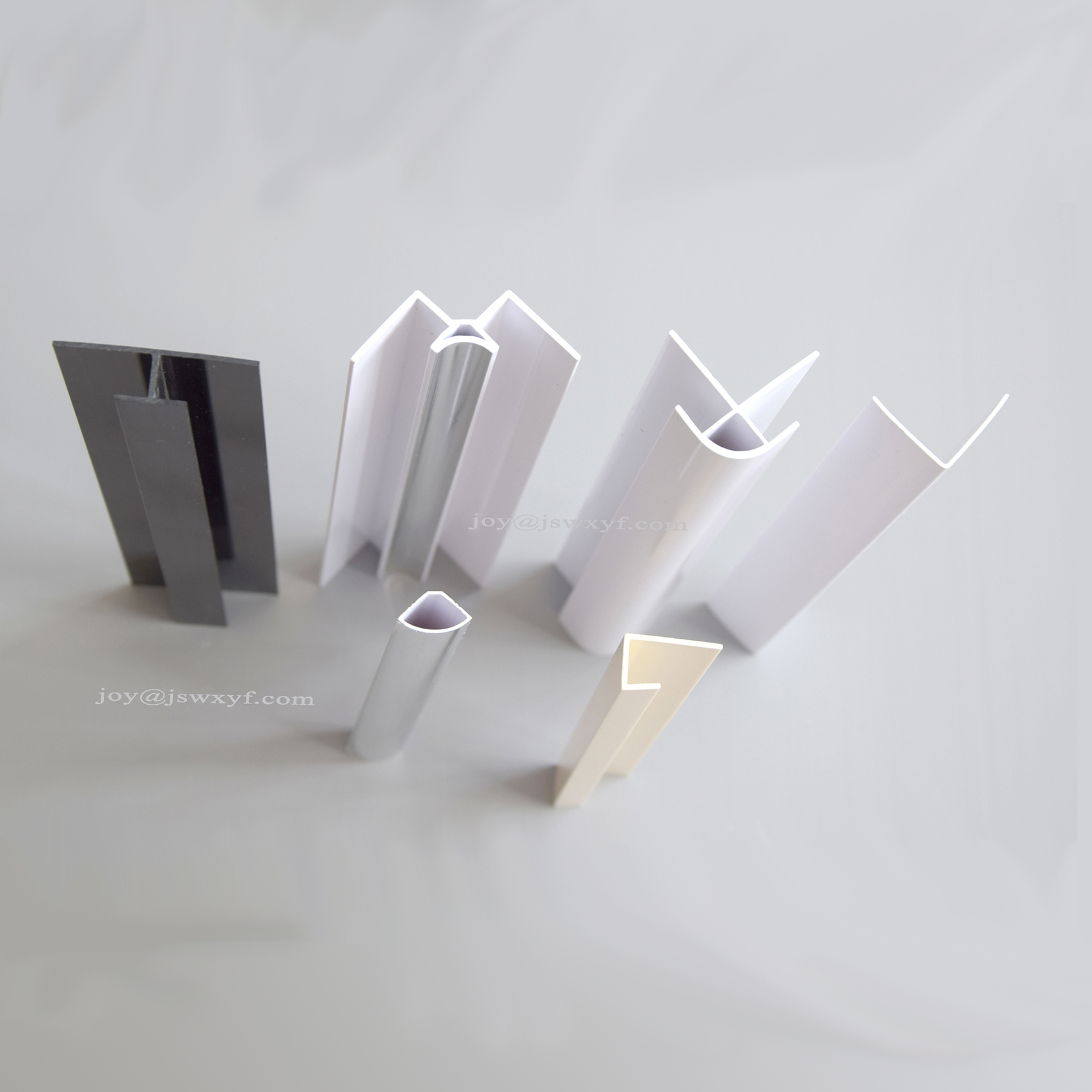
Material Composition: The most common material for bathroom wall boards is PVC, known for its moisture resistance and durability. Buyers should confirm the thickness of the panels, typically ranging from 5mm to 10mm, as this affects strength and insulation properties.
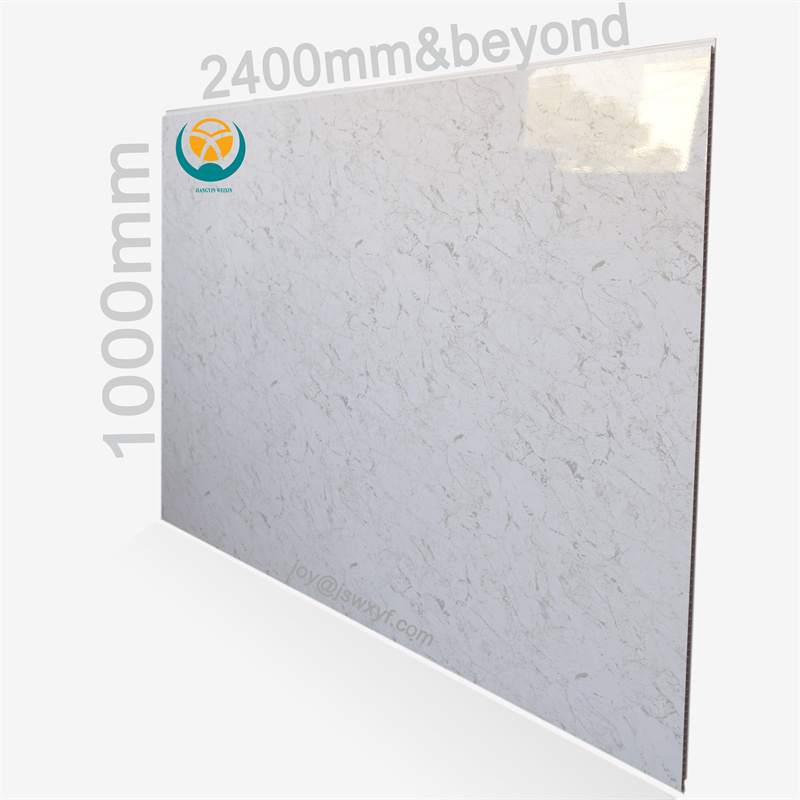
Dimensions: Standard panel sizes can vary; therefore, it's essential to confirm the dimensions that fit the intended installation area. Custom sizes may be available for specific projects.
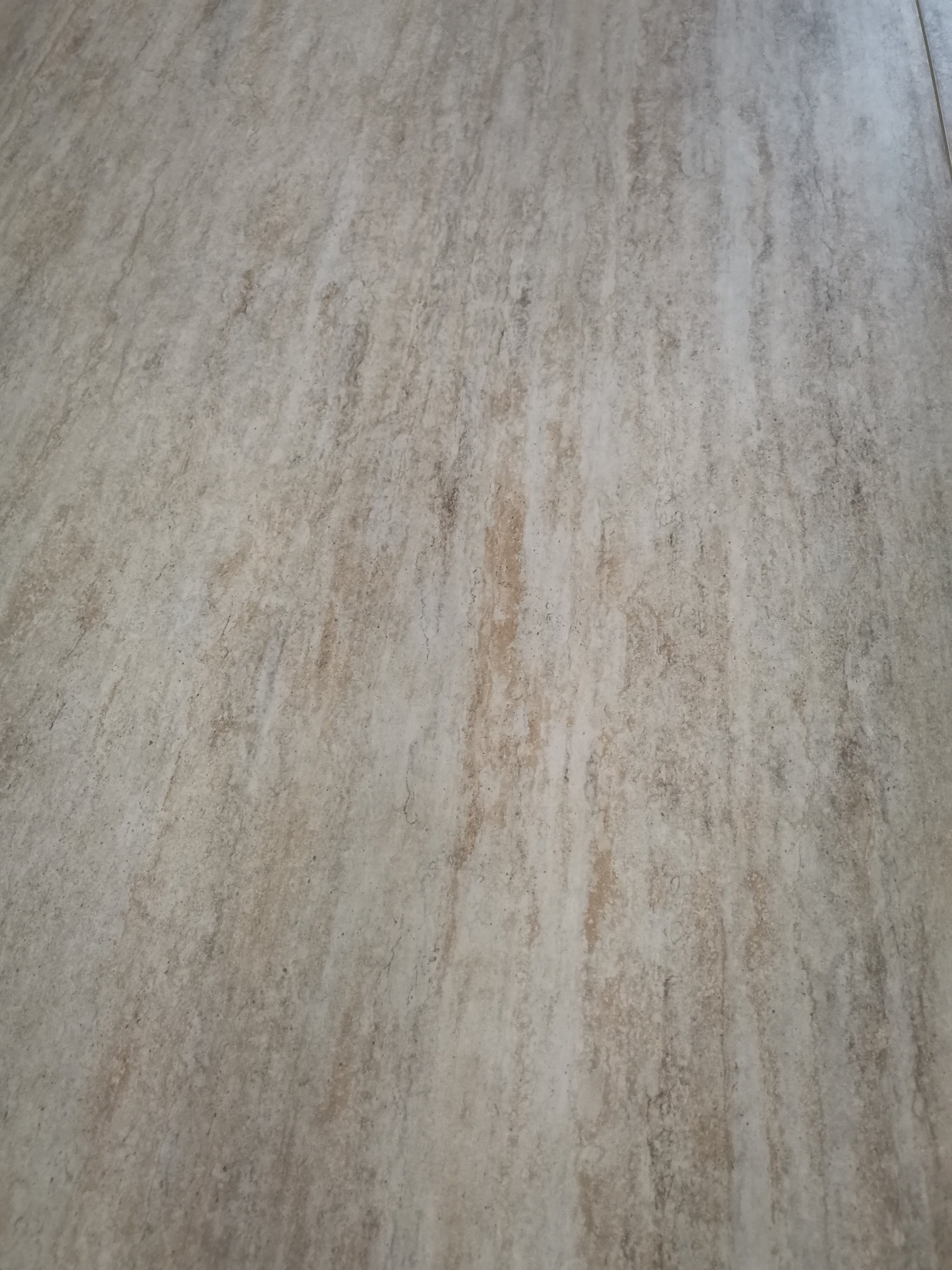
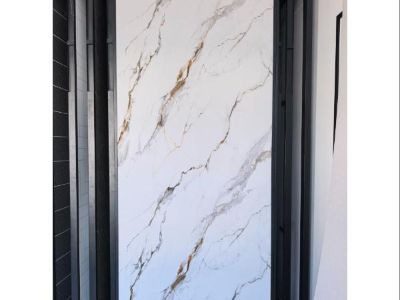
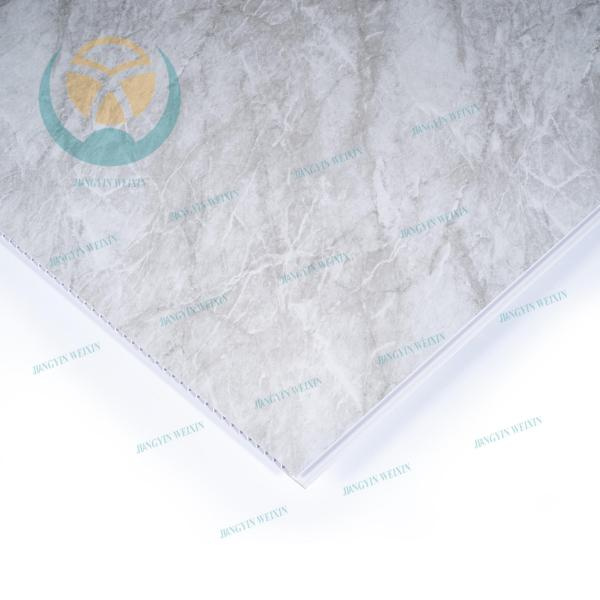
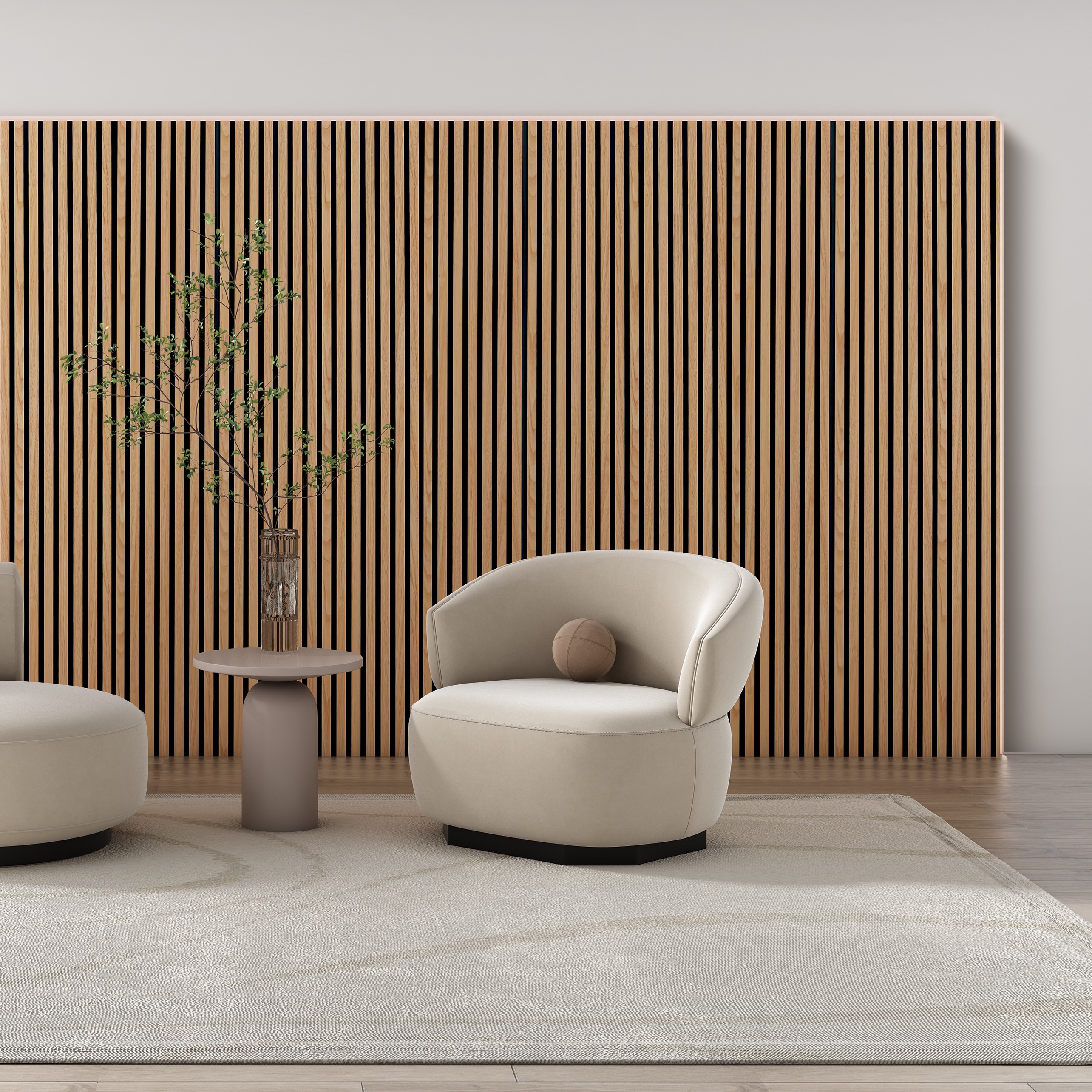
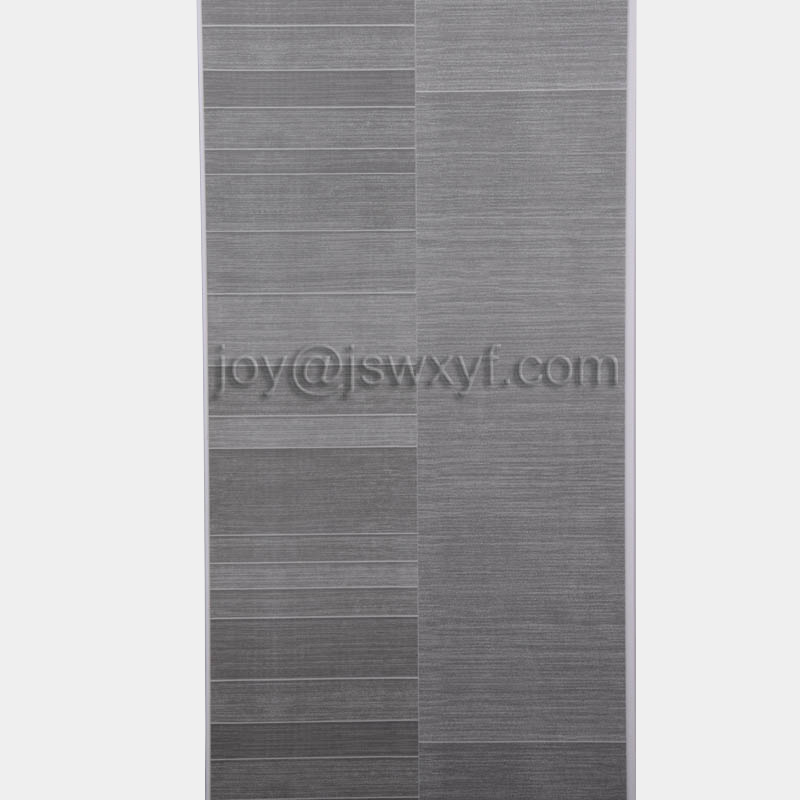
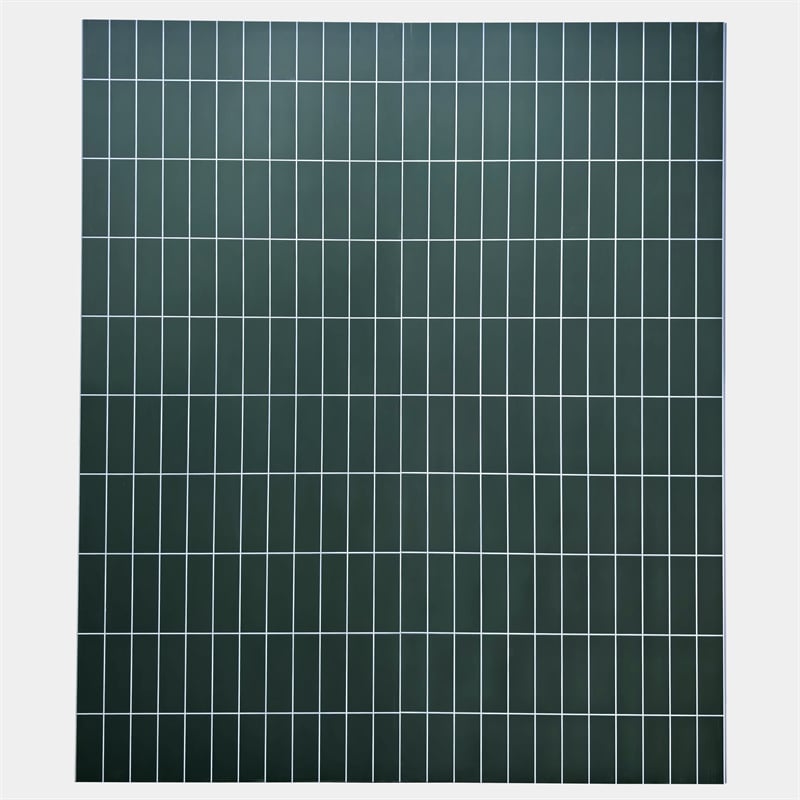
Surface Treatment: Surface options such as high-gloss, matte, or textured finishes can impact both aesthetics and maintenance. An appropriate finish will facilitate cleaning and enhance the product's longevity.
Fire Resistance: Depending on the application, verifying the fire safety ratings of the panels can be crucial, particularly for commercial projects.
Warranty and Certifications: Buyers should look for products with relevant certifications for safety and quality standards, which can provide assurance of performance.