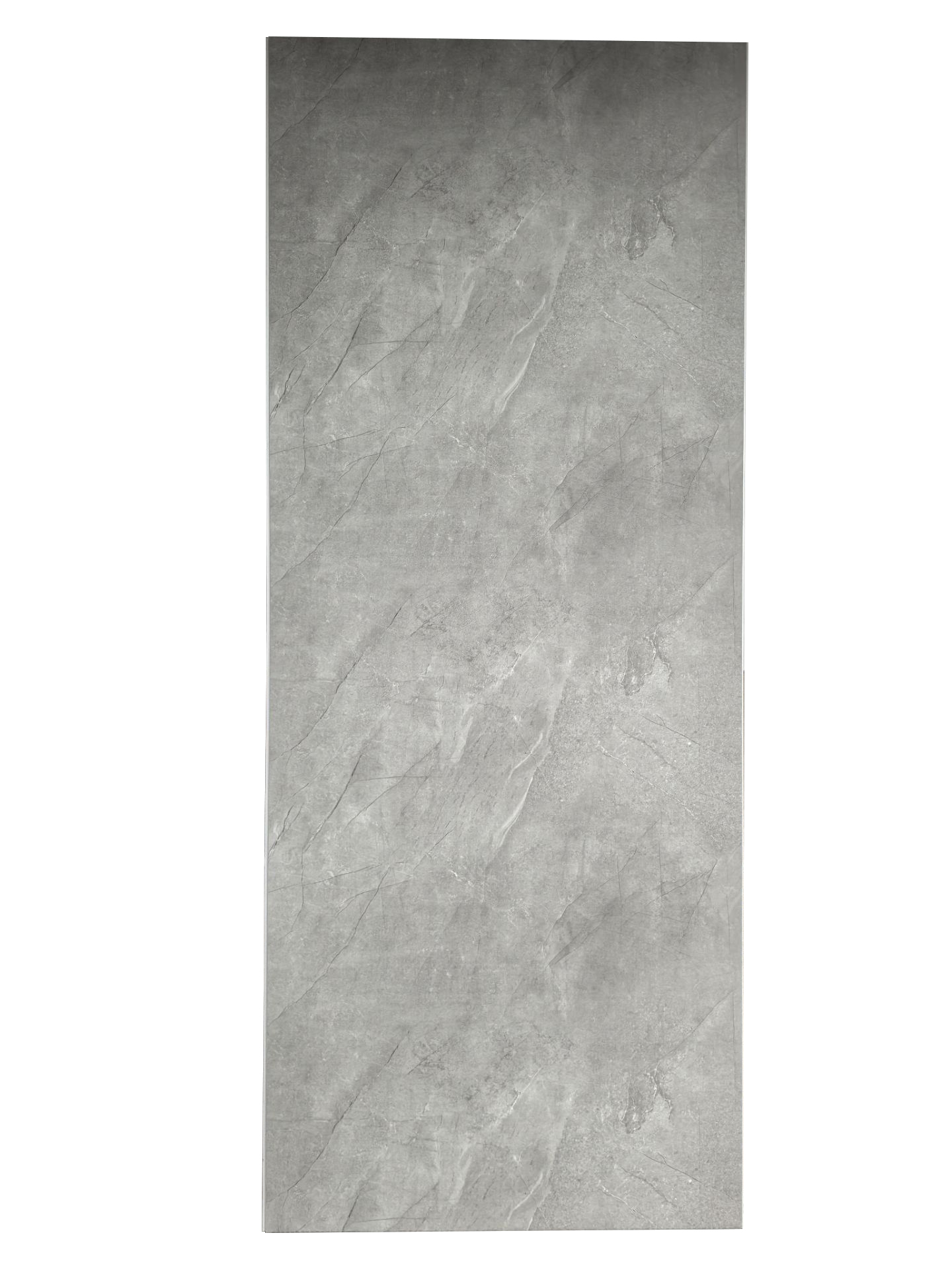
 EN
Bathroom wall panels for showers are an innovative solution for enhancing the aesthetics and functionality of bathroom spaces. Specifically designed to provide a waterproof, durable, and low-maintenance alternative to traditional tiling, these panels are perfect for both residential and commercial applications. As a purchasing manager or contractor, understanding the specifications, sourcing options, installation processes, and material advantages of bathroom wall panels is crucial to making informed decisions. This article will outline essential considerations for selecting plastic bathroom wall panels for showers, ensuring you can effectively meet your project requirements.
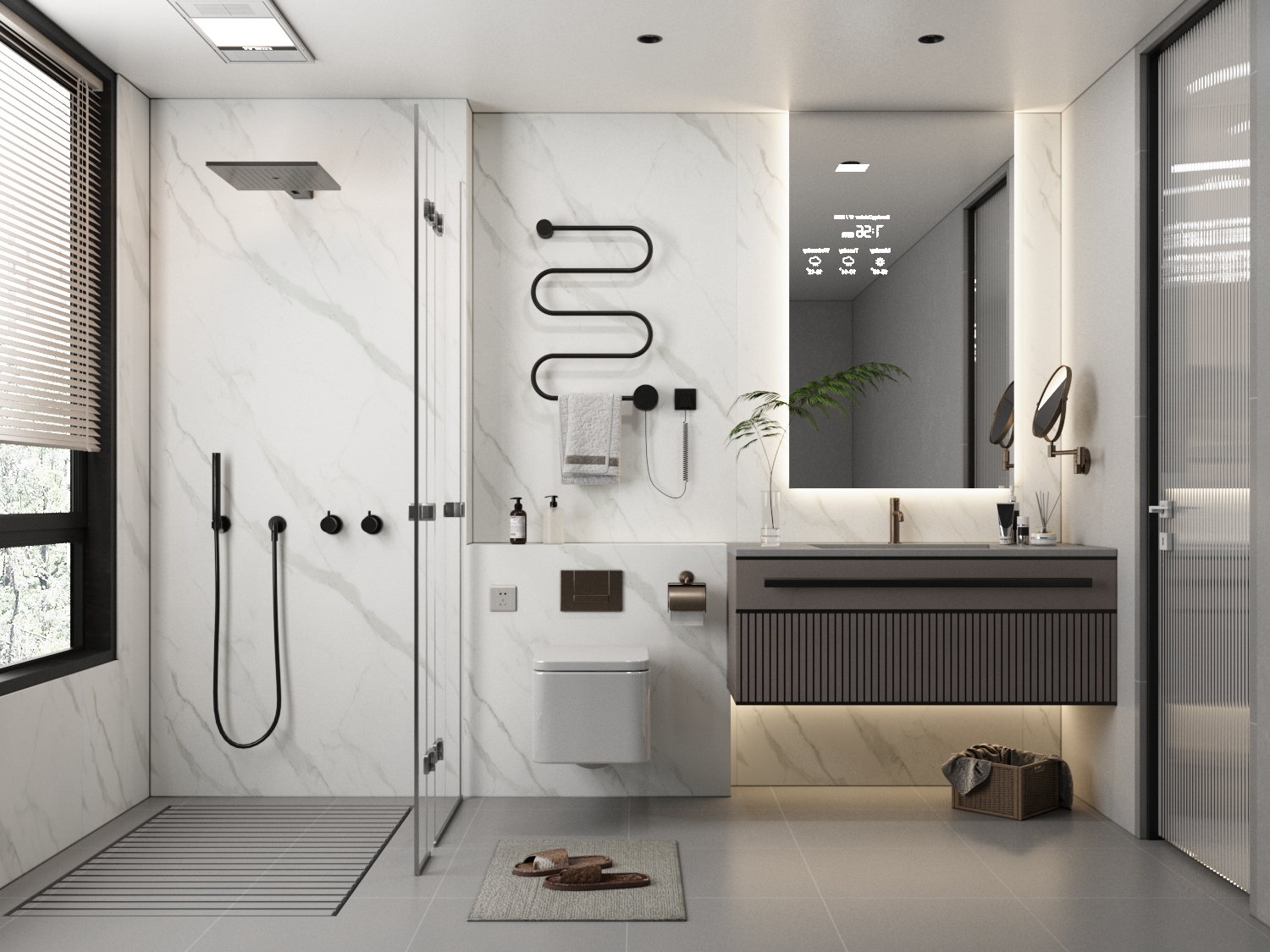
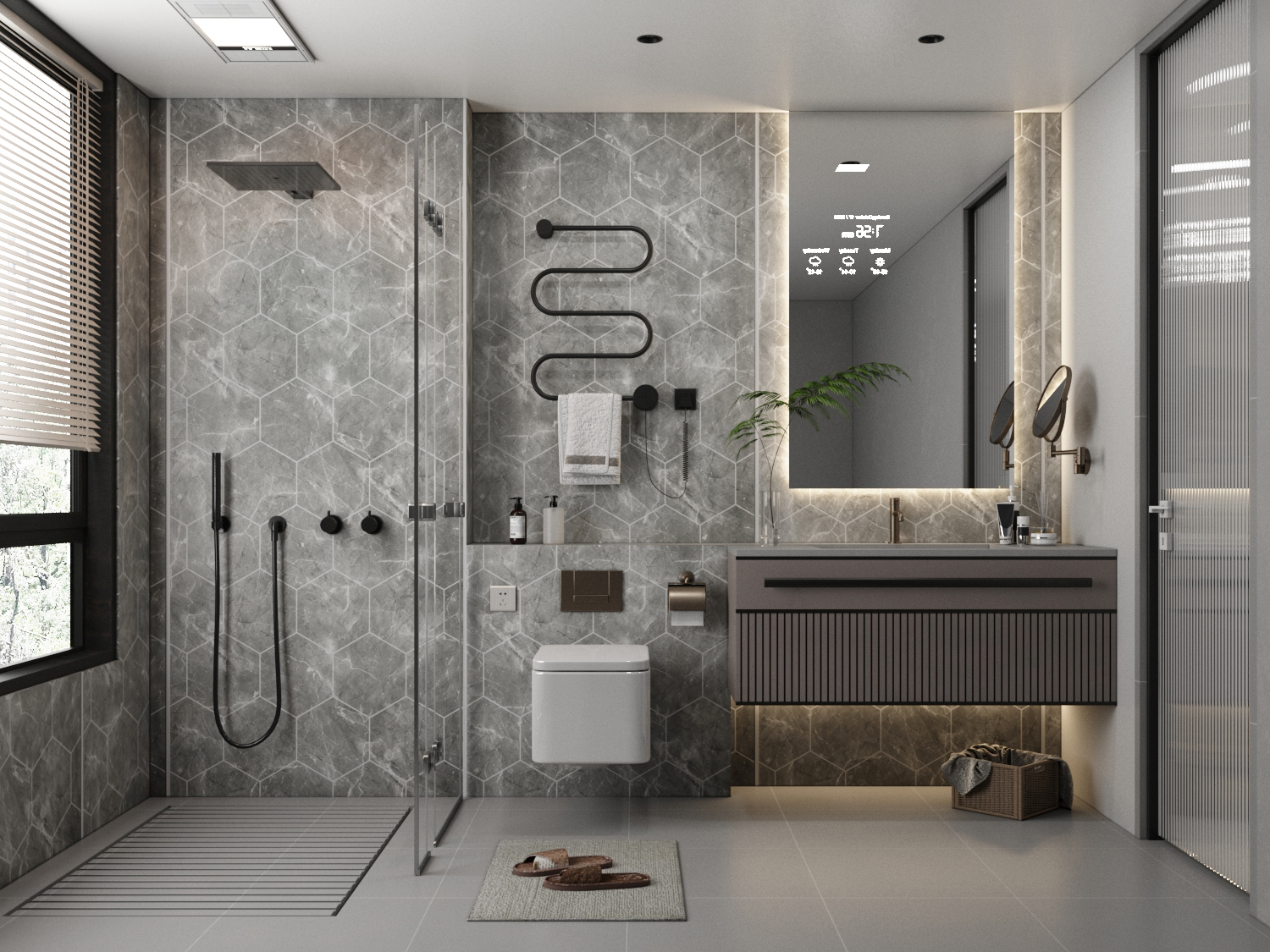
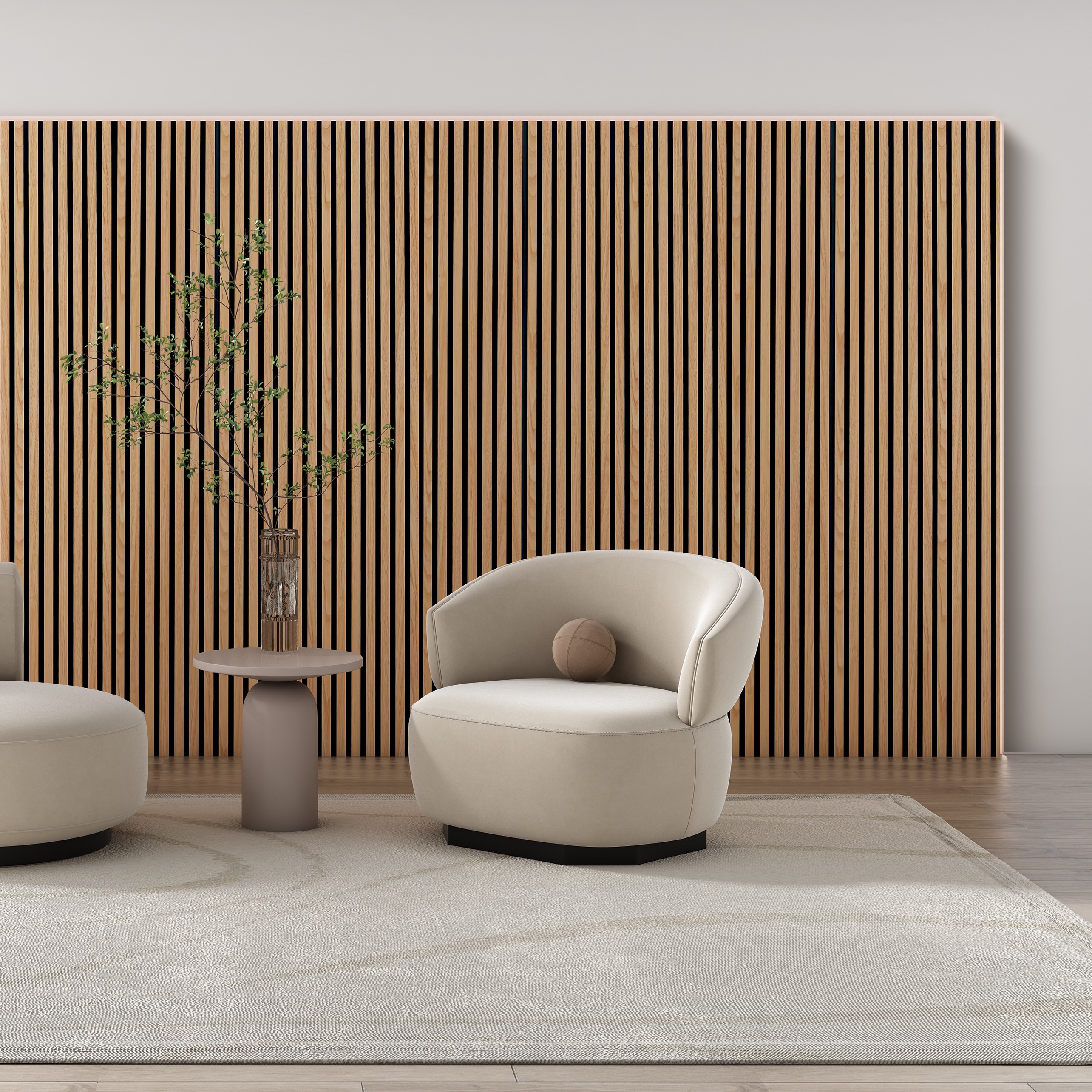
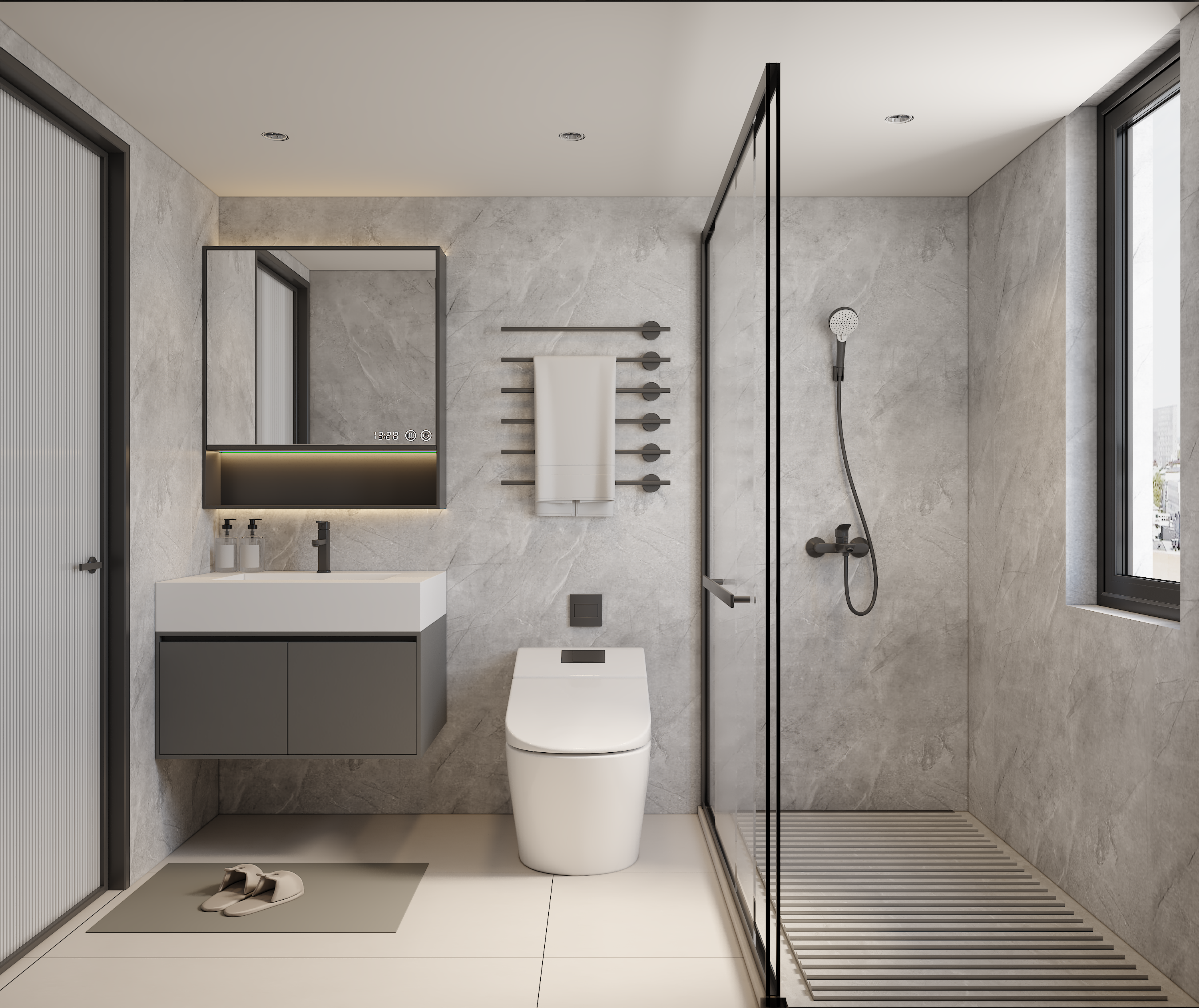
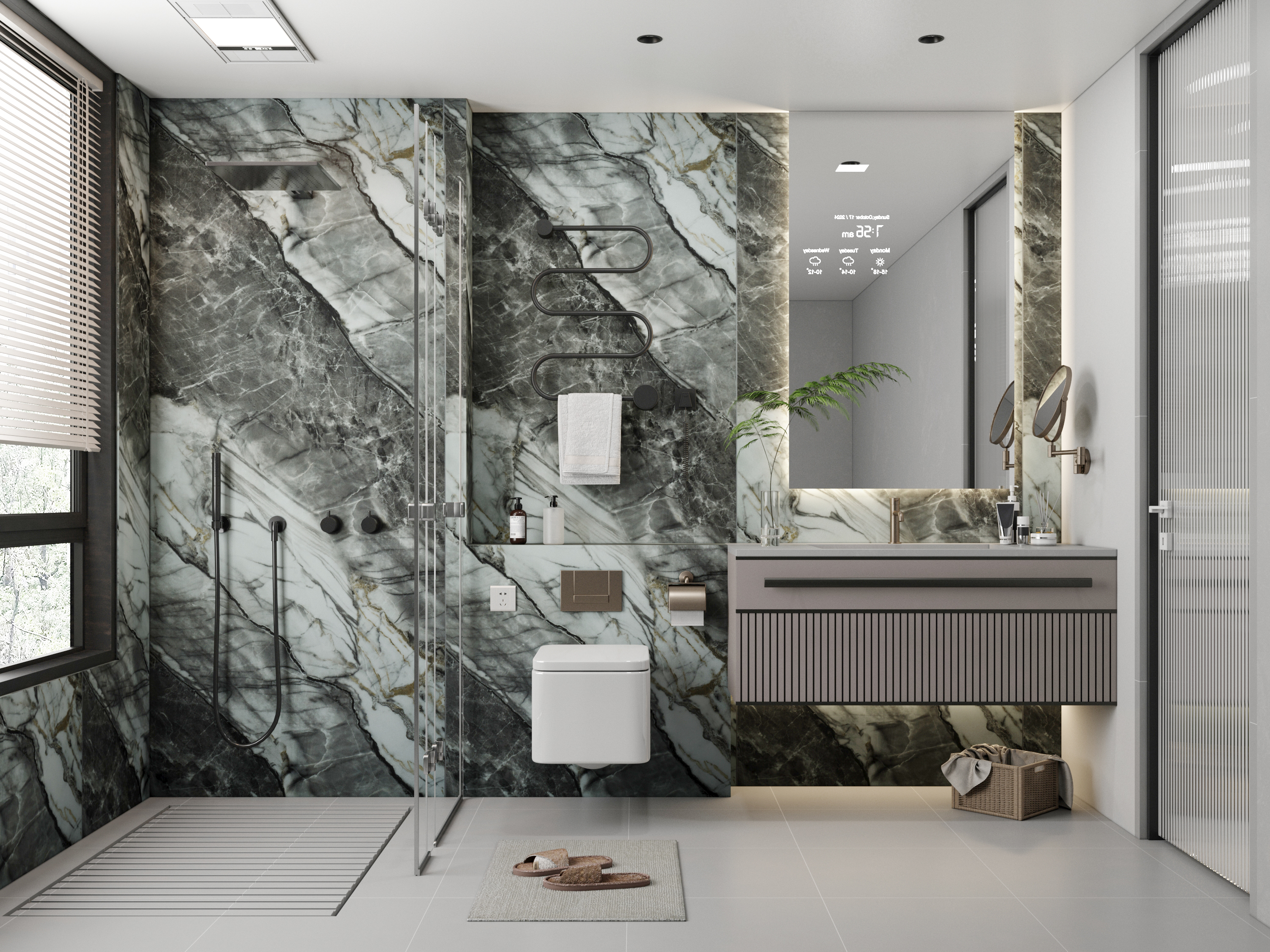
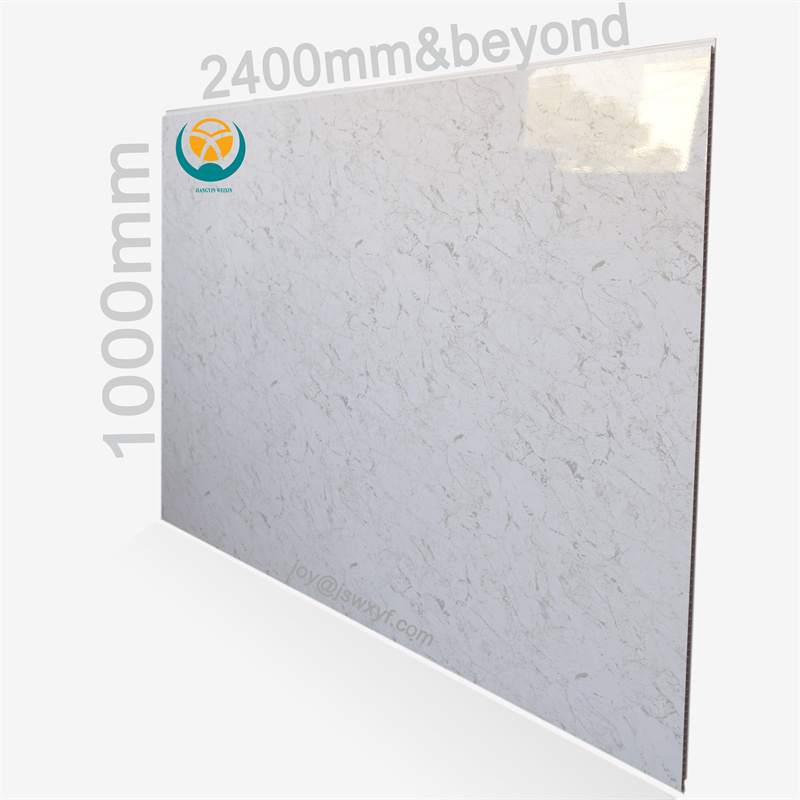
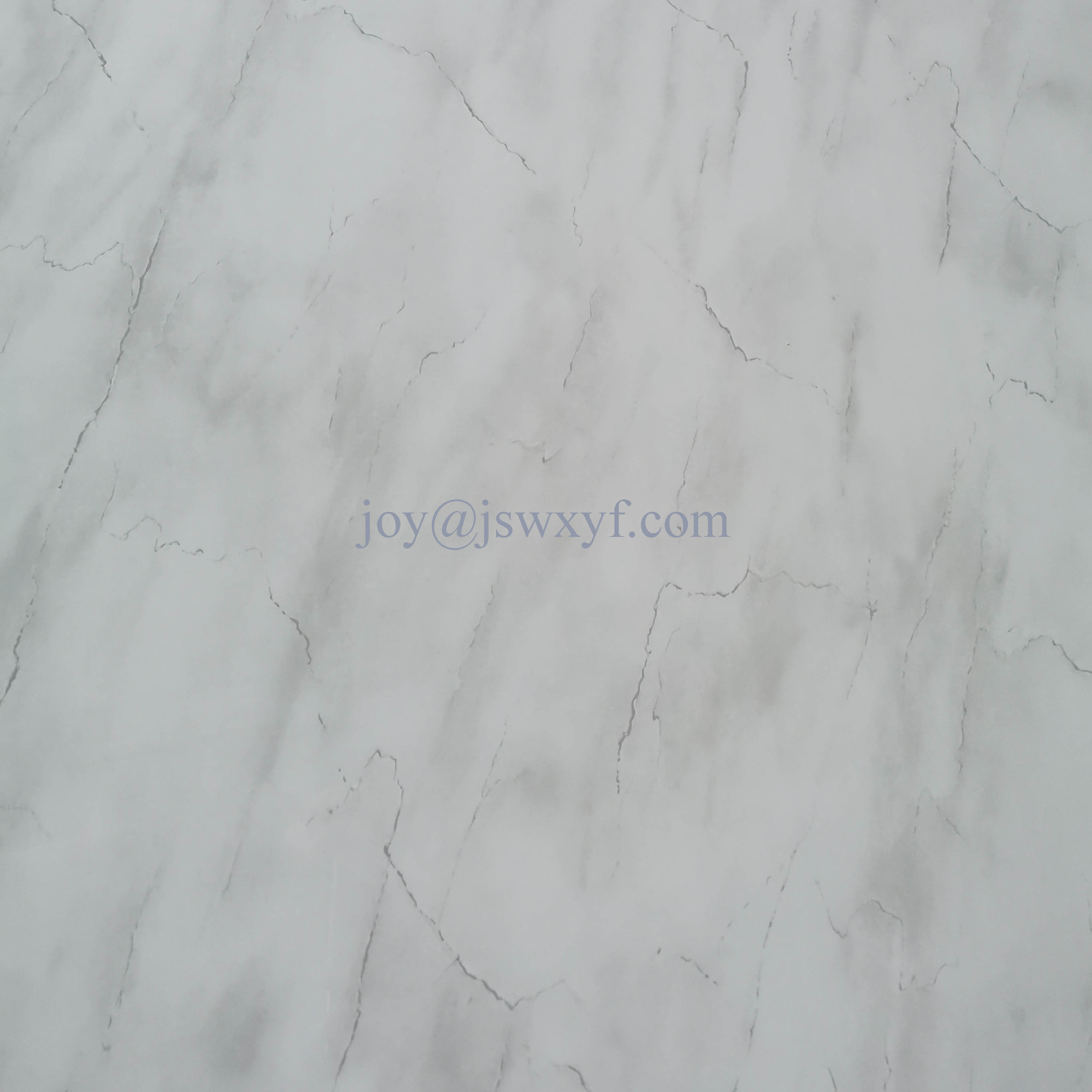
Essential Specifications for High-Quality Shower Wall Panels
Several key specifications should be considered when evaluating bathroom wall panels for showers:
Thickness: The panel thickness can affect durability and ease of installation. Panels typically range from 5mm to 10mm. Thicker panels may provide better impact resistance and insulation.
Material Composition: PVC is a popular choice for shower wall panels due to its waterproof nature, lightweight properties, and ease of maintenance. Ensure that the PVC panels are made from high-quality materials that meet industry standards.
Surface Treatment: Panels should have a durable surface finish that resists mold, mildew, and staining. Options may include a high-gloss finish or a textured surface for added grip.
Dimensions: Standard panel sizes vary, but common dimensions include 2440mm x 1220mm. Custom sizes may be available, allowing for flexibility in design and installation.
Sealing and Edges: Effective sealing is crucial to prevent water ingress. Check if the pvc bathroom wall panels have pre-sealed edges or if additional sealing products are recommended.
By understanding these specifications, buyers can ensure that the panels selected will perform well in wet environments and meet aesthetic preferences.