 EN
Shower wall boards are an essential component in modern construction and renovation projects, particularly in bathrooms and wet areas. These panels provide a waterproof barrier and an attractive finish, making them popular among builders, contractors, and designers. Buyers often seek durable, easy-to-install, and low-maintenance solutions. This article will guide you in selecting the right shower wall board panels, evaluating key specifications, addressing common challenges, and identifying suitable applications.
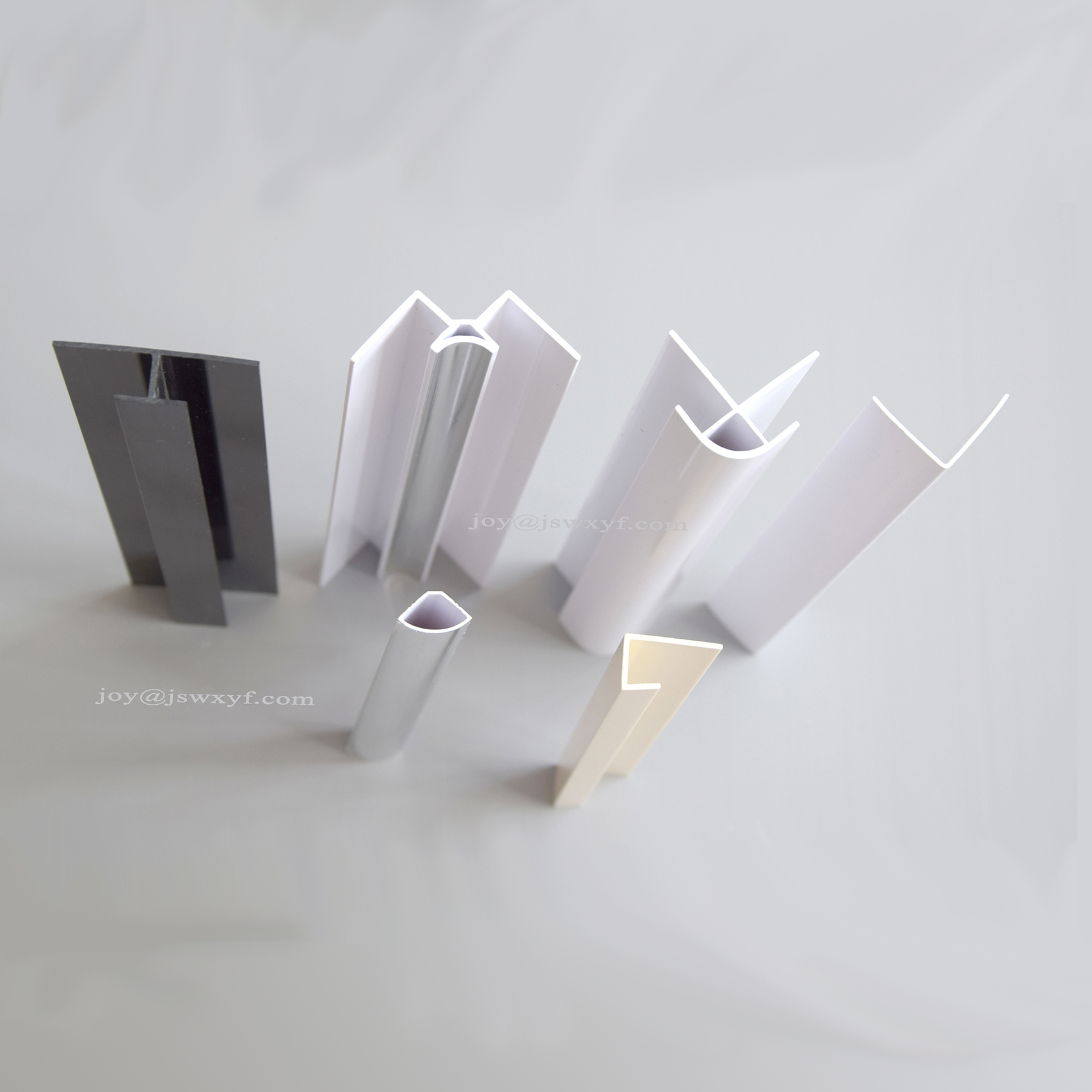
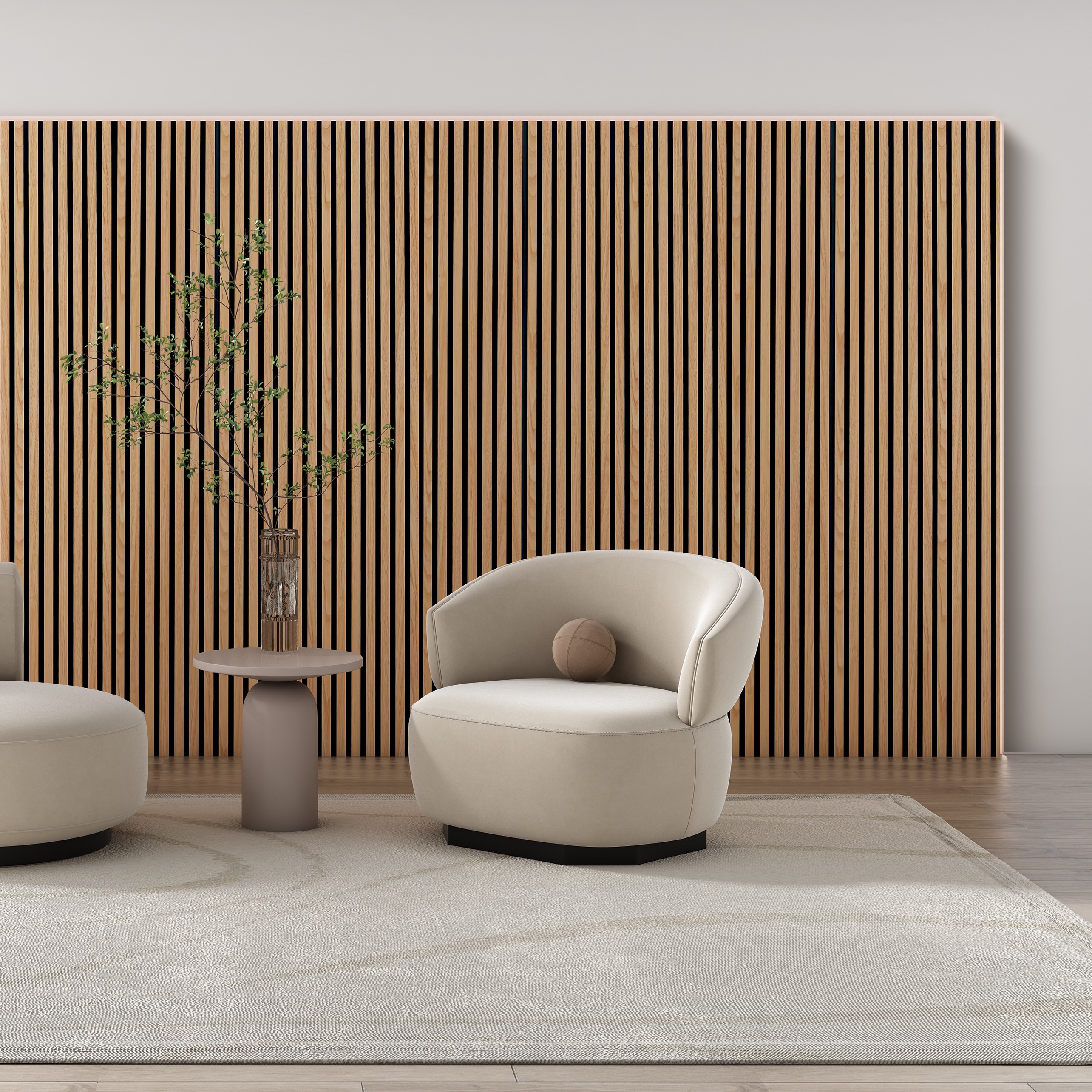
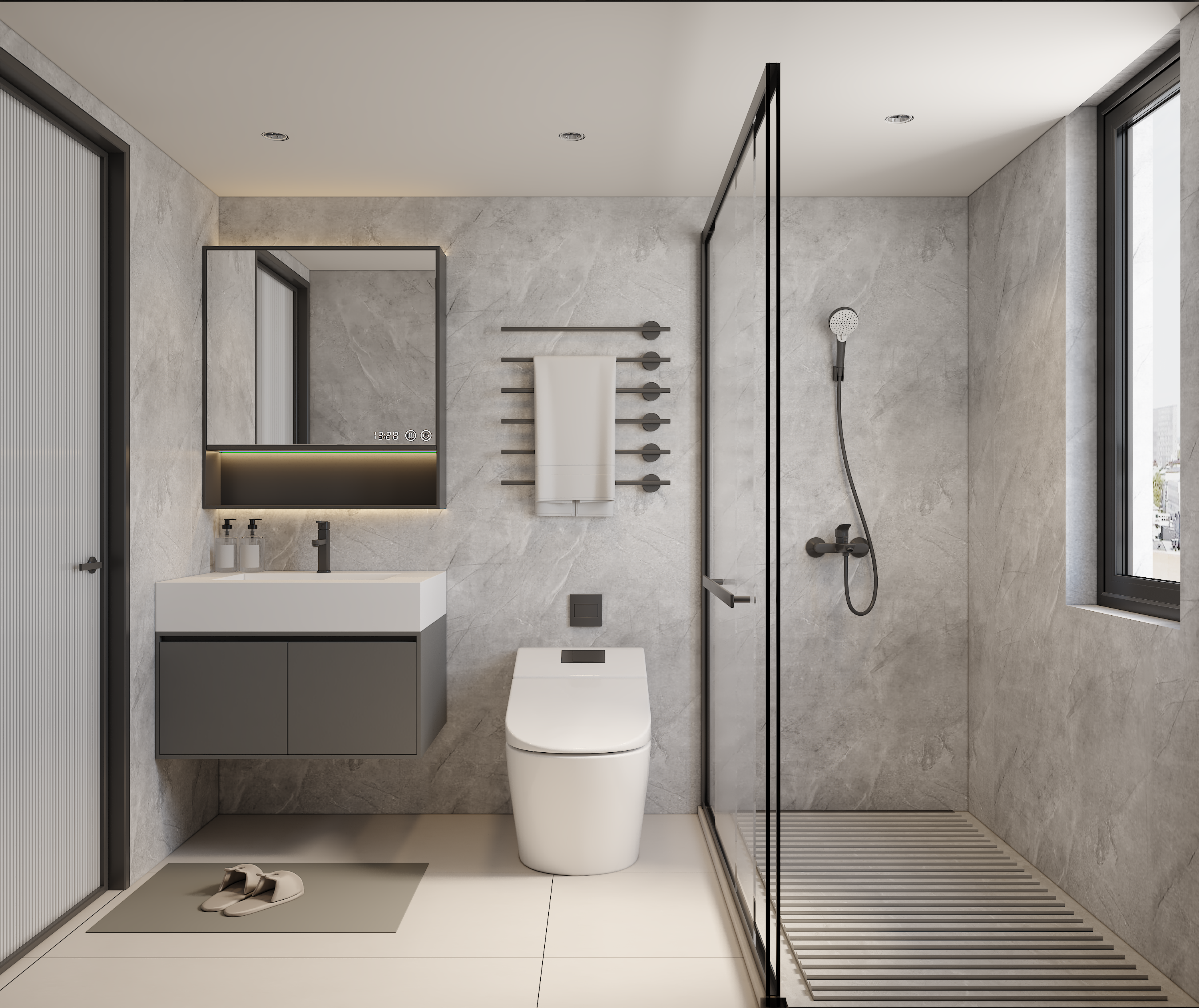
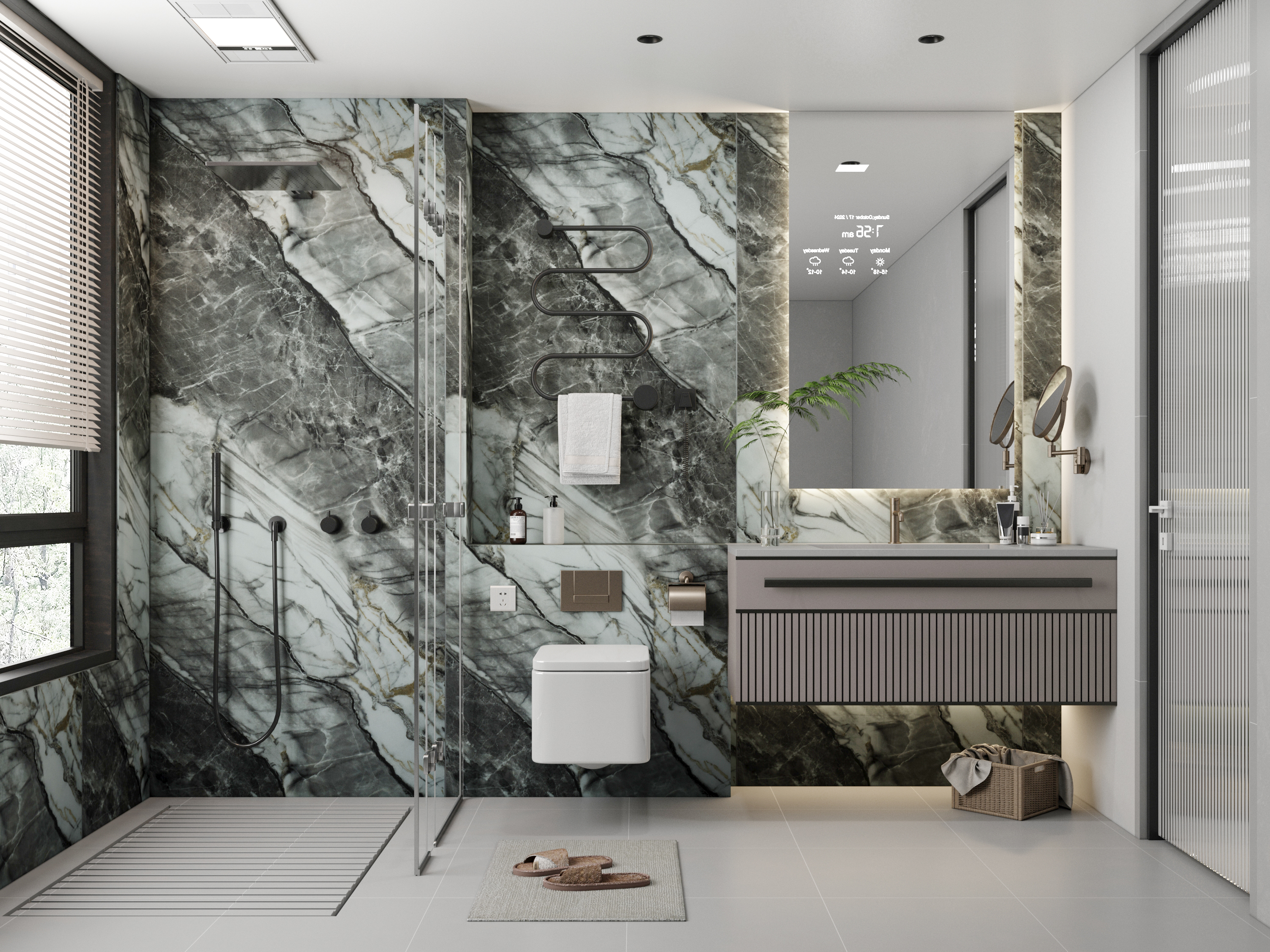
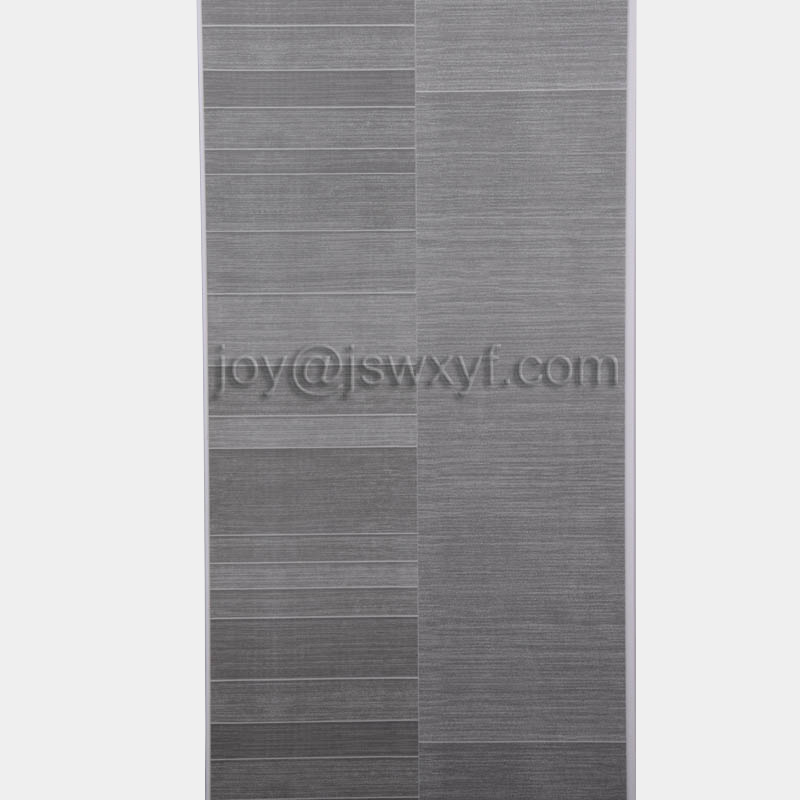
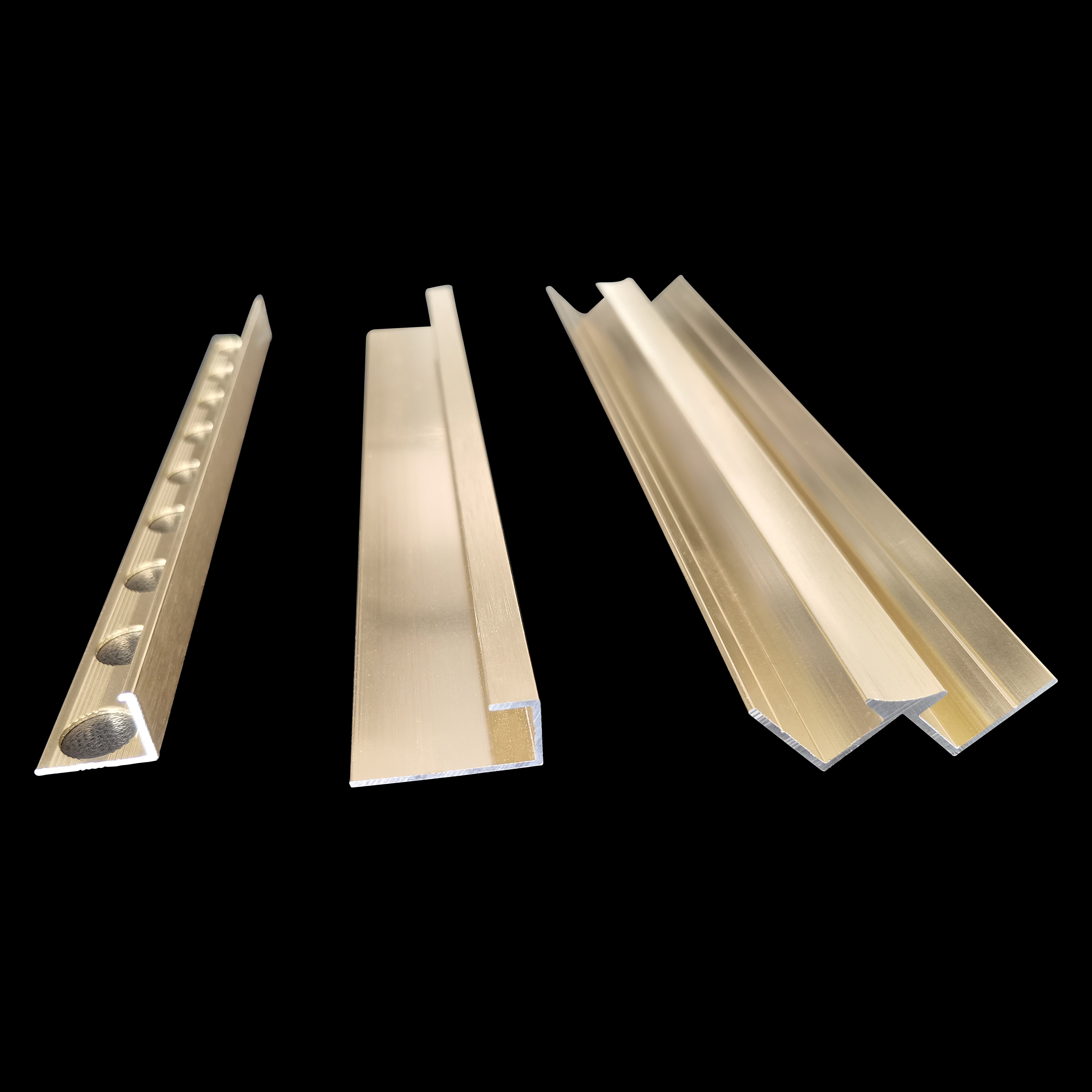
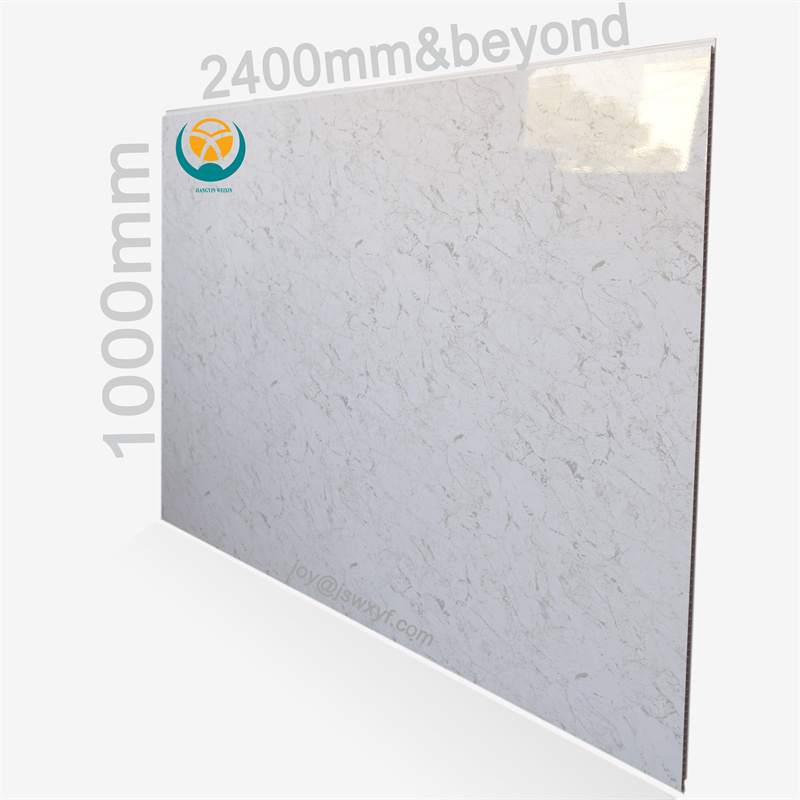
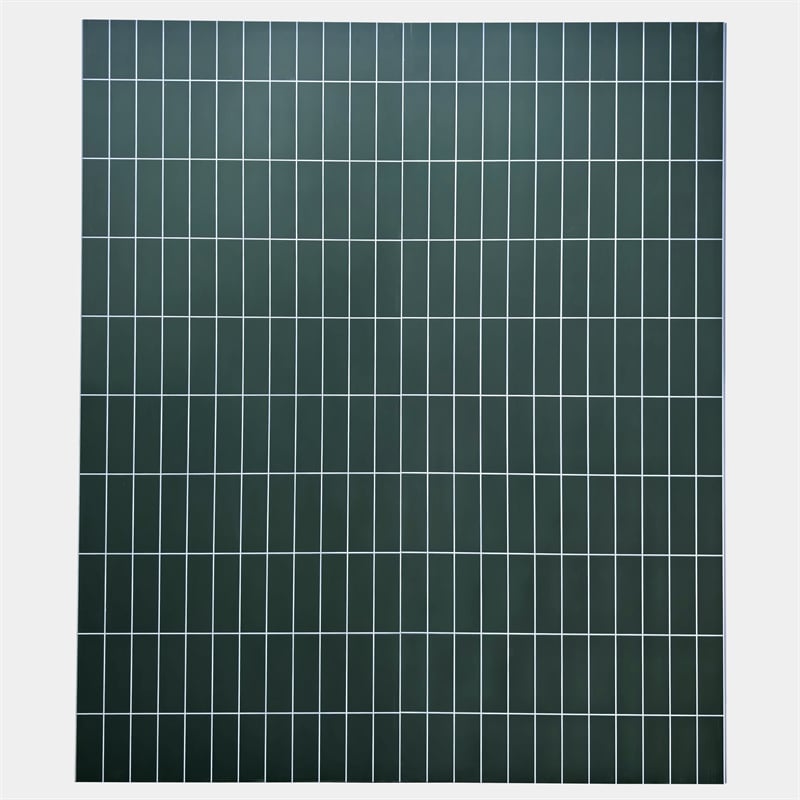
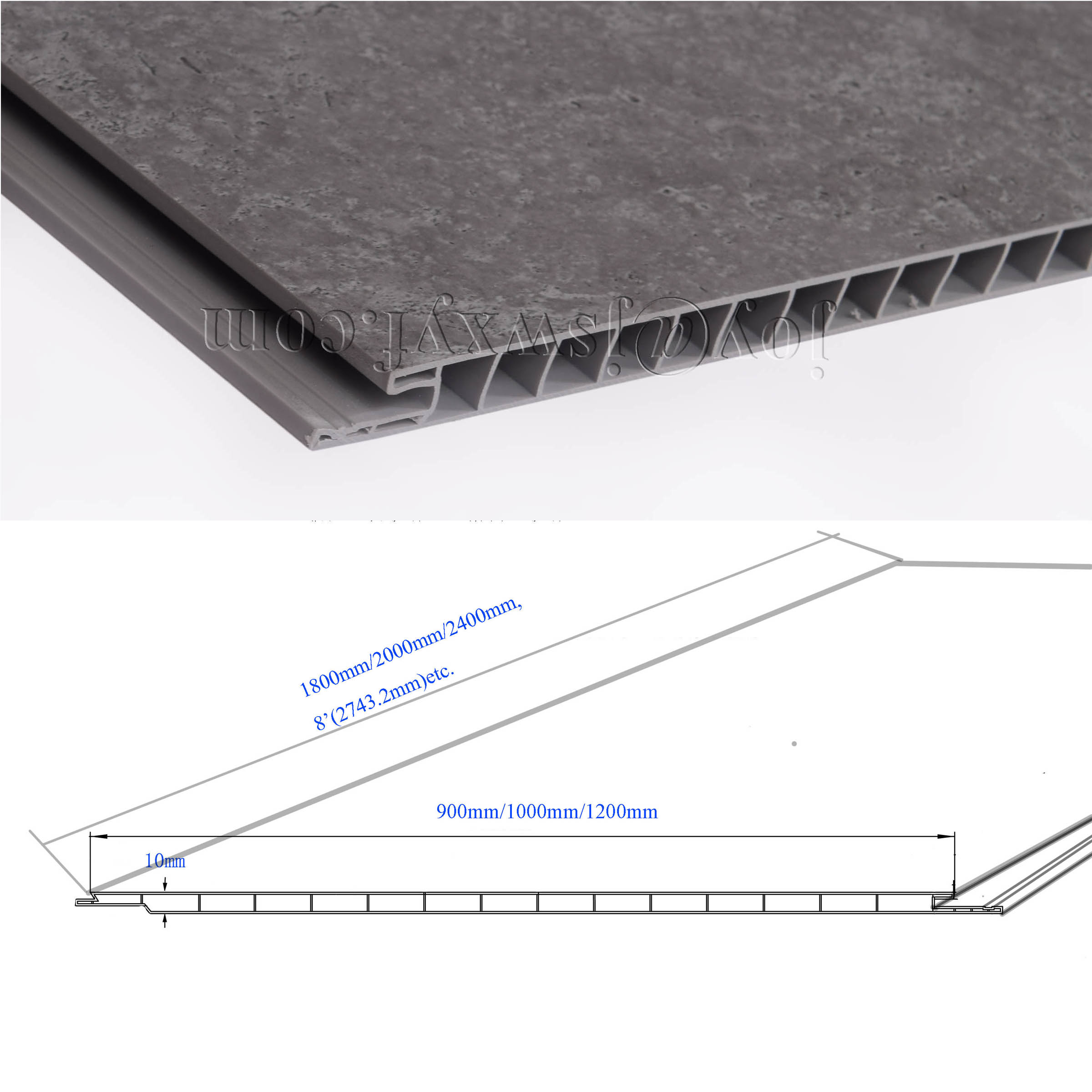
Key Specifications to Evaluate When Sourcing Shower Wall Boards
When sourcing shower wall boards, several key specifications should be evaluated to ensure the product meets your requirements:
Water Resistance: This is critical for any shower application. Ensure the boards are specifically designed to withstand moisture without warping or degrading over time.
Fire Resistance: Depending on local building codes, you may need to consider the fire resistance of the materials used in the shower wall board. Check if the manufacturer provides certification regarding fire performance.
Surface Treatment: Look for boards with protective coatings that resist mold and mildew growth. This feature enhances longevity and reduces maintenance efforts.
Weight: The weight of the boards can impact shipping costs and installation ease. Lightweight options, like PVC boards, are often more manageable for installation.
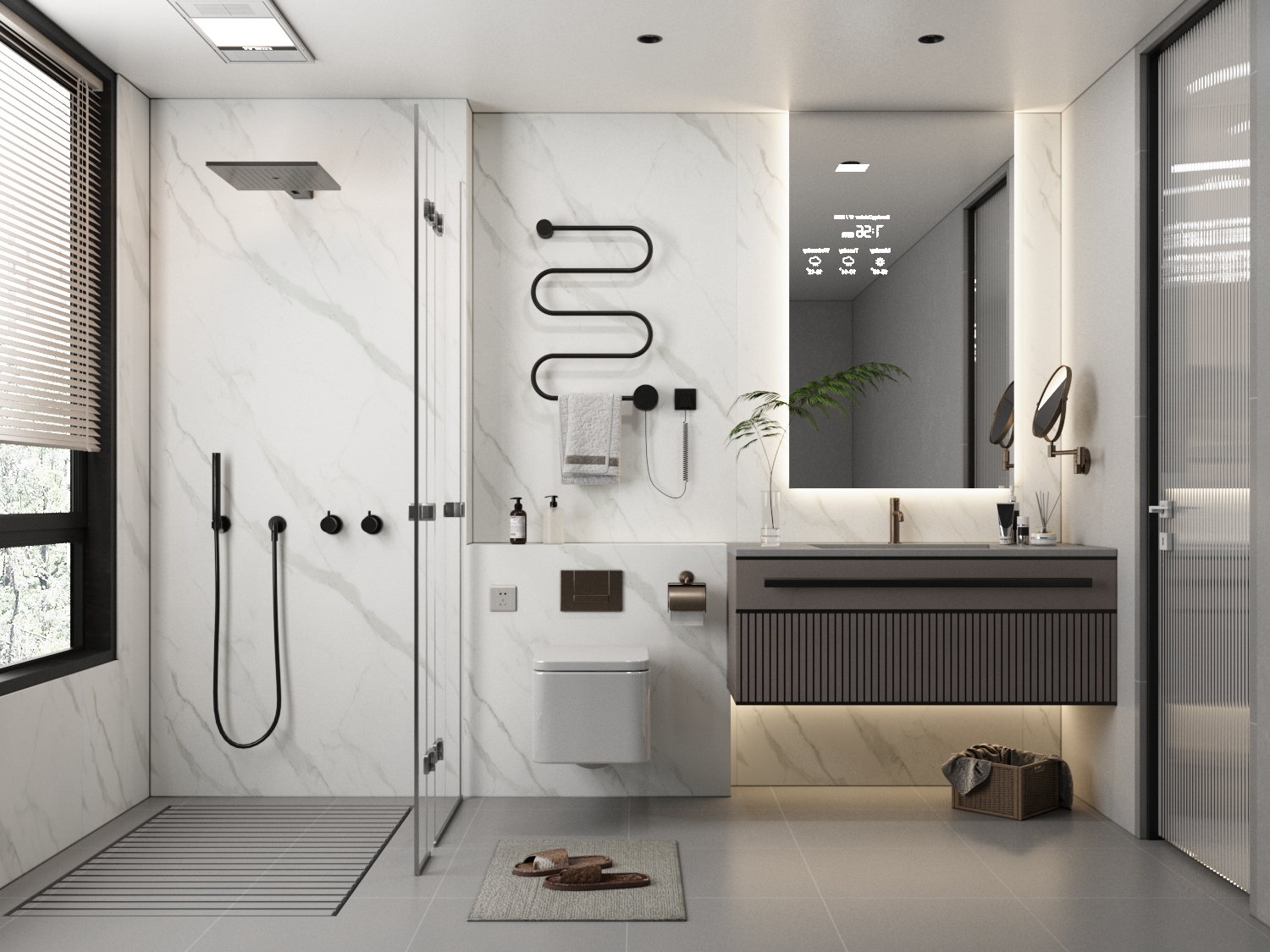
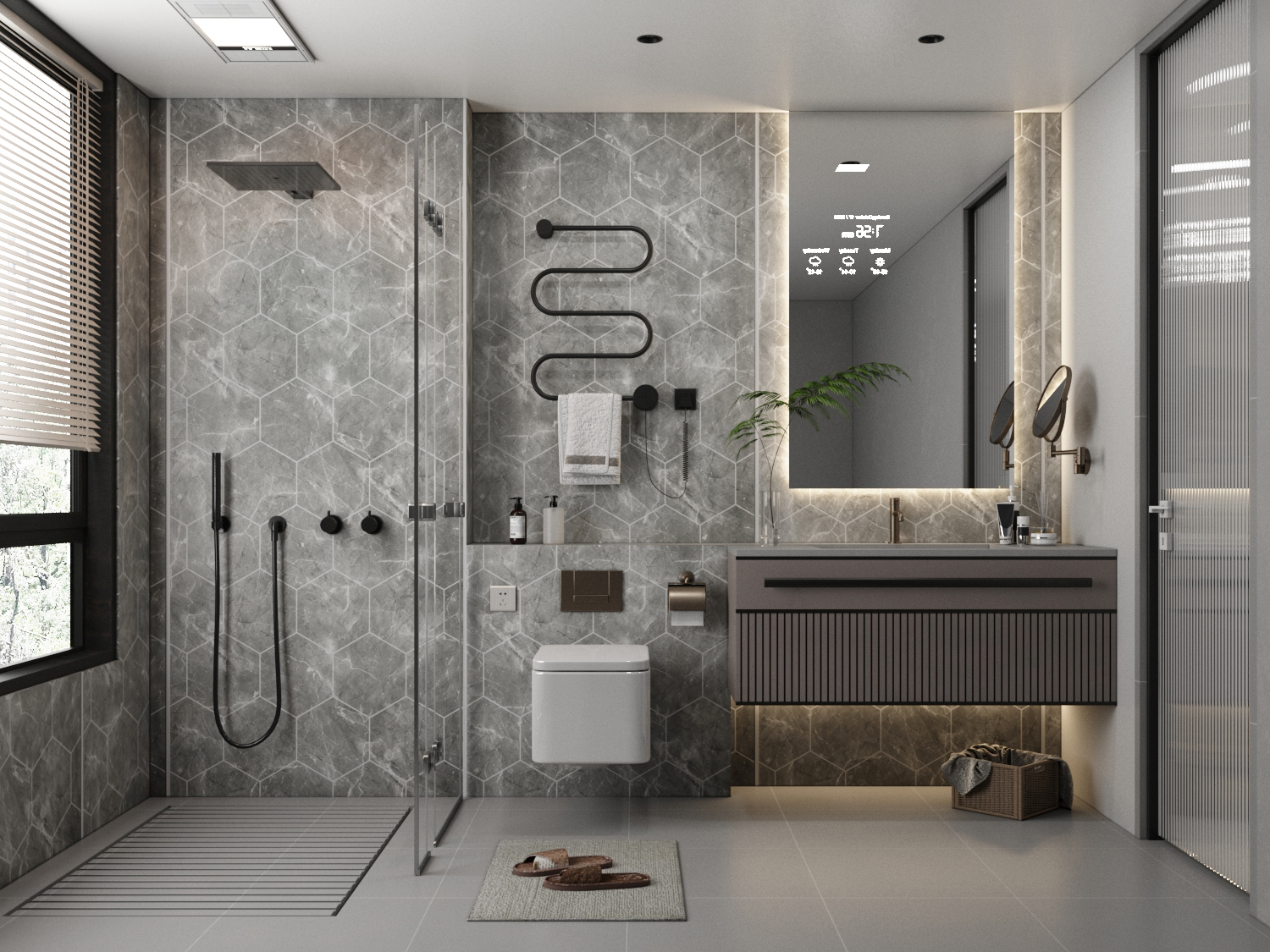
Customization Options: If your project requires unique sizes or designs, confirm the manufacturer’s customization capabilities. This may include specific dimensions, colors, or printed patterns.
Evaluating these specifications will help ensure that the shower wall boards you choose are suitable for your specific application and comply with relevant building standards.