 EN
Bathroom wall cladding is an essential element in both residential and commercial settings, providing a durable and aesthetically pleasing surface for bathrooms. For purchasing managers, architects, and contractors, understanding the various aspects of bathroom wall cladding is crucial for making informed decisions. This article will delve into what to consider when selecting bathroom wall cladding, the cost implications, best practices for installation and maintenance, a comparison of different materials, and their applications in various environments
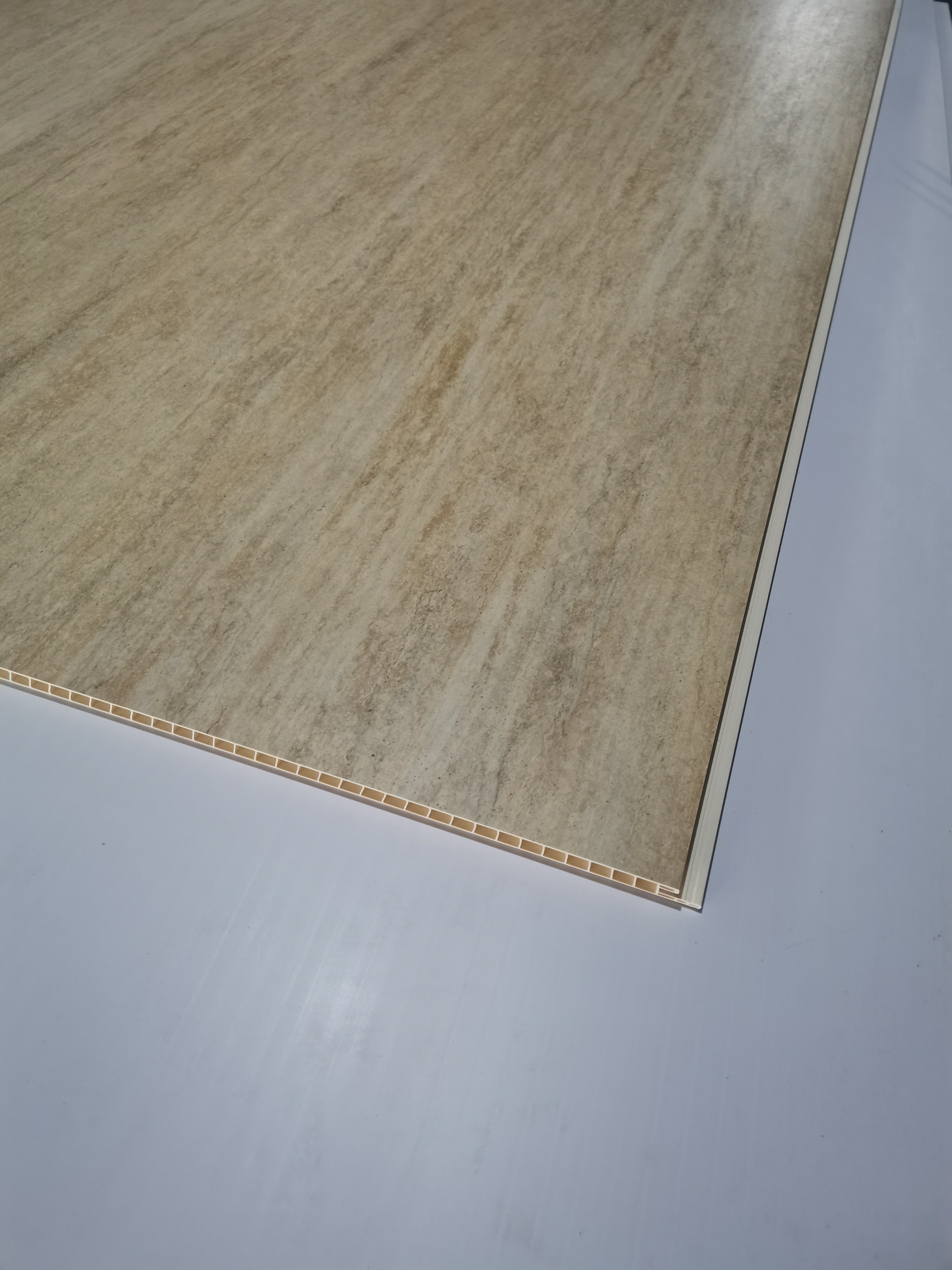
Cost Savings on Bathroom Wall Cladding
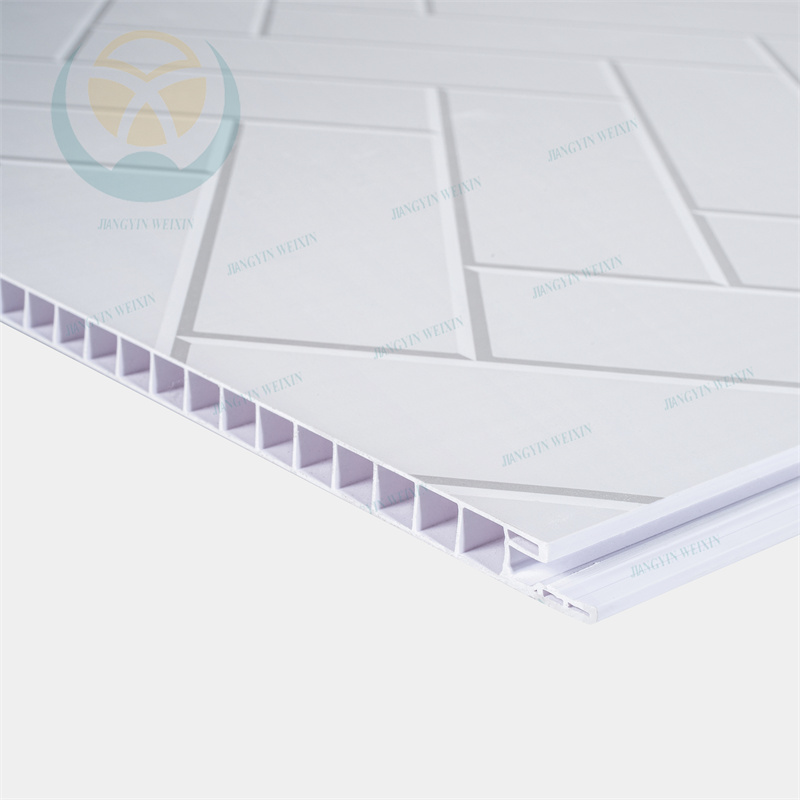
Cost savings on bathroom wall cladding can be achieved through various avenues. First, consider the material's lifespan. PVC panels, known for their durability, typically have a longer usable life compared to other materials, resulting in lower replacement costs over time
Additionally, the installation process for PVC panels can be more straightforward and quicker than traditional materials, potentially reducing labor costs. Efficient installation methods can minimize downtime, allowing a project to move forward without unnecessary delays
Buying in bulk can also lead to significant savings. Manufacturers like Jiangyin Weixin Plastic Co., Ltd. often provide competitive pricing for larger orders, which can benefit contractors and businesses looking to outfit multiple projects simultaneously. Understanding the minimum order quantities (MOQ) and negotiating terms can further optimize costs
Finally, consider the long-term maintenance costs. PVC panels require minimal upkeep and are resistant to mold and mildew, reducing the need for ongoing cleaning or replacement that other materials might incur