 EN
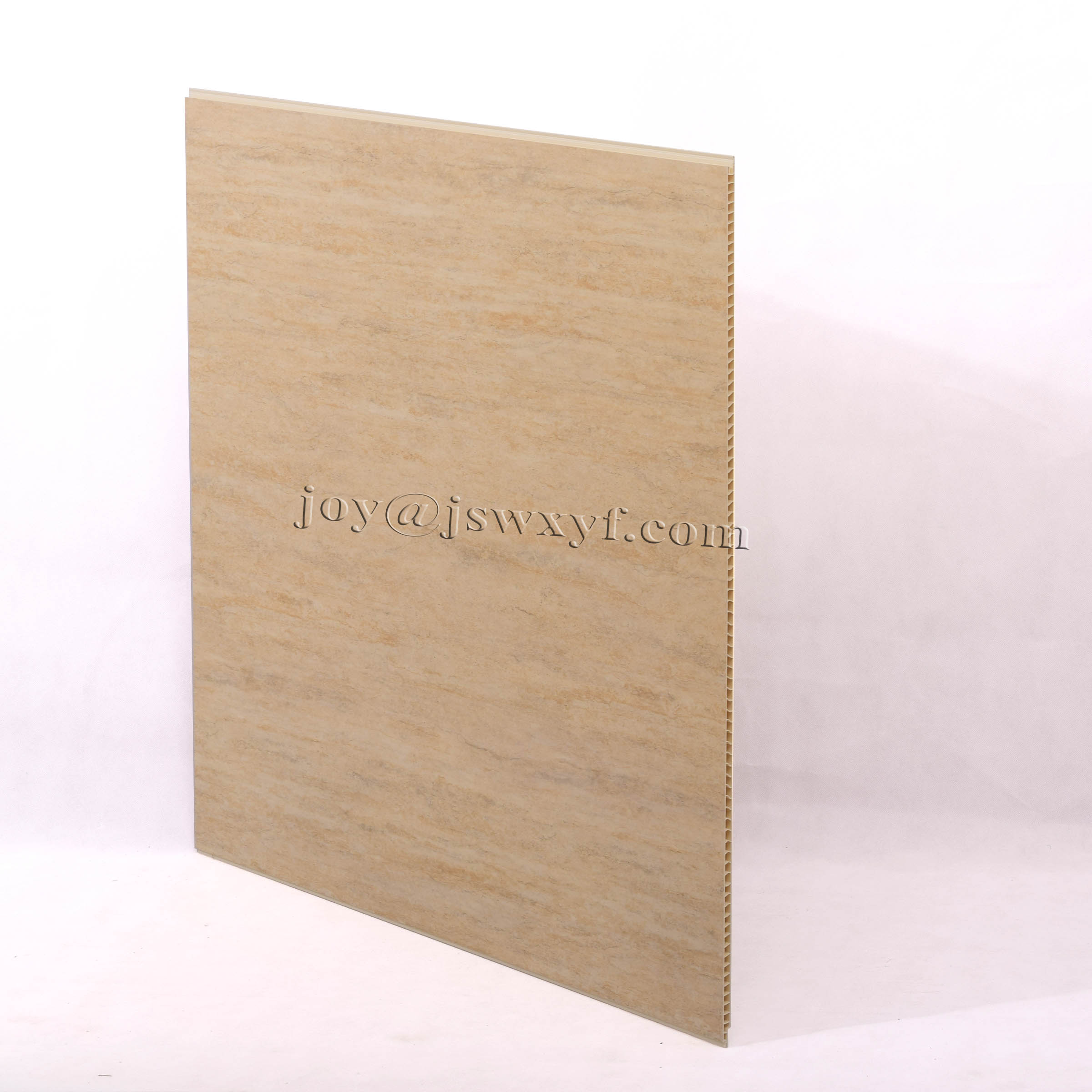
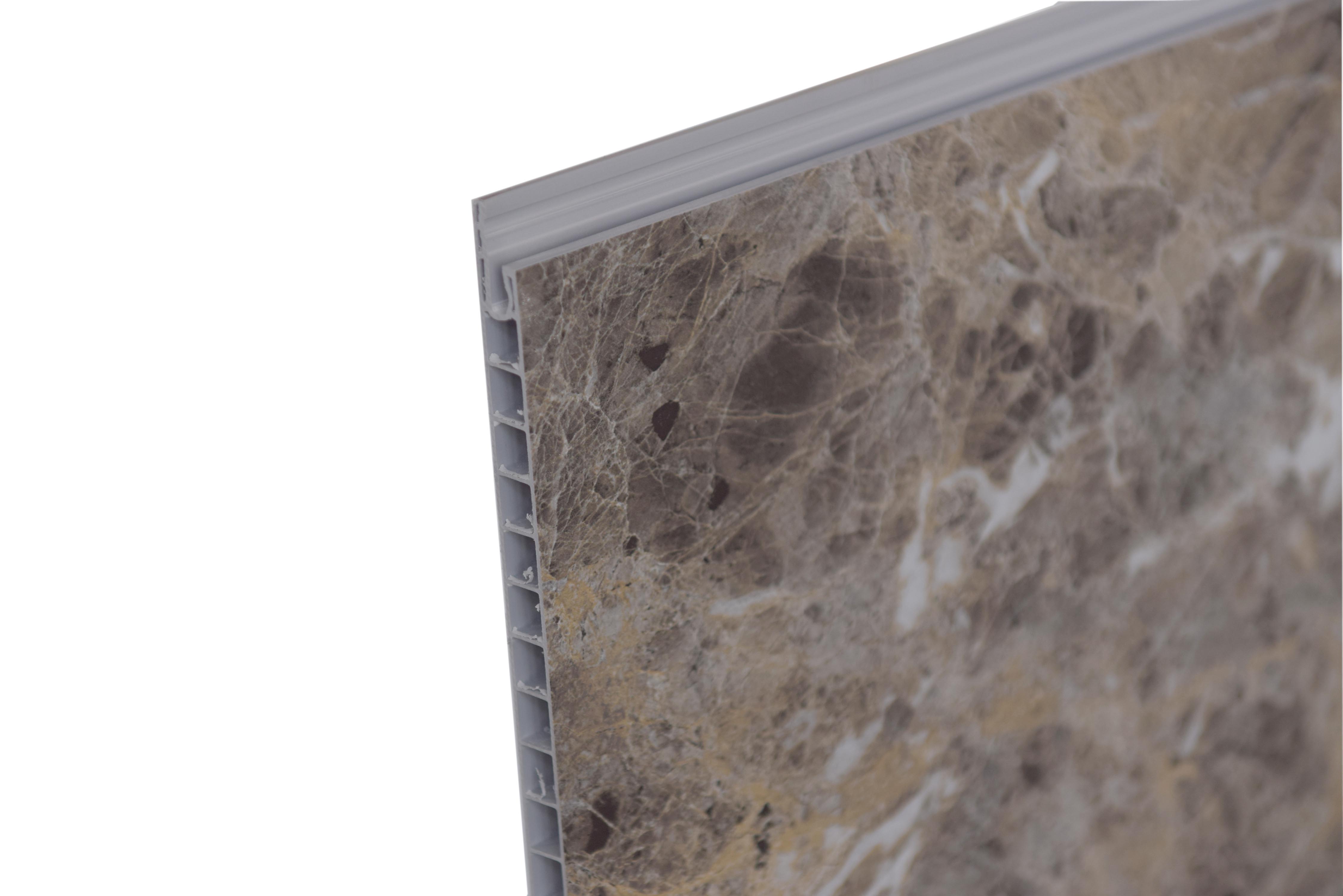
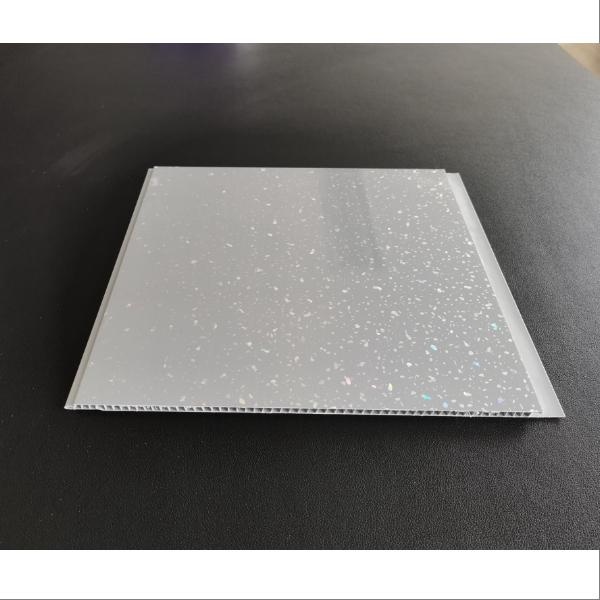
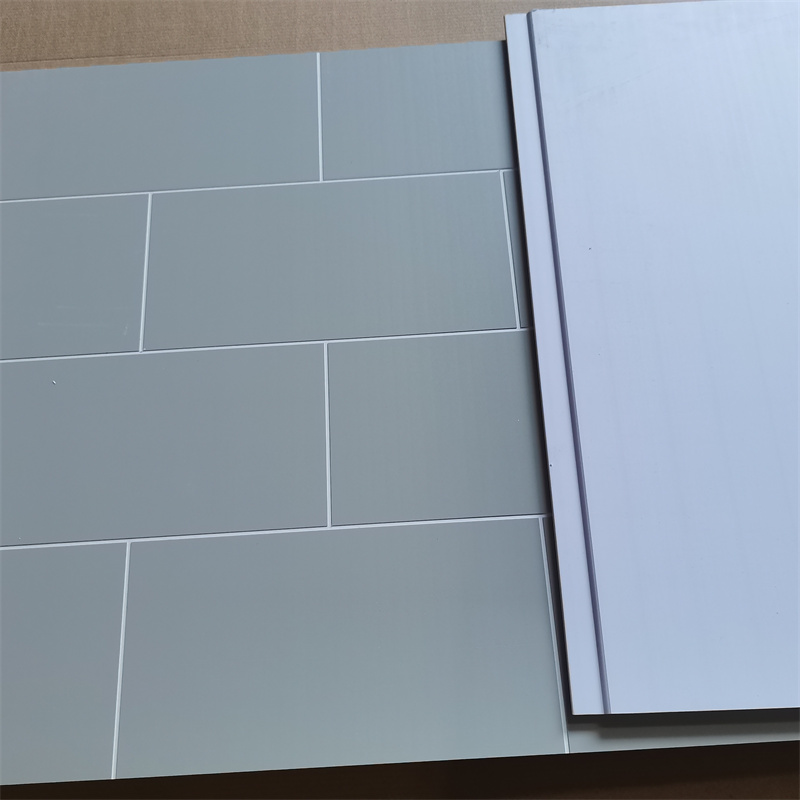
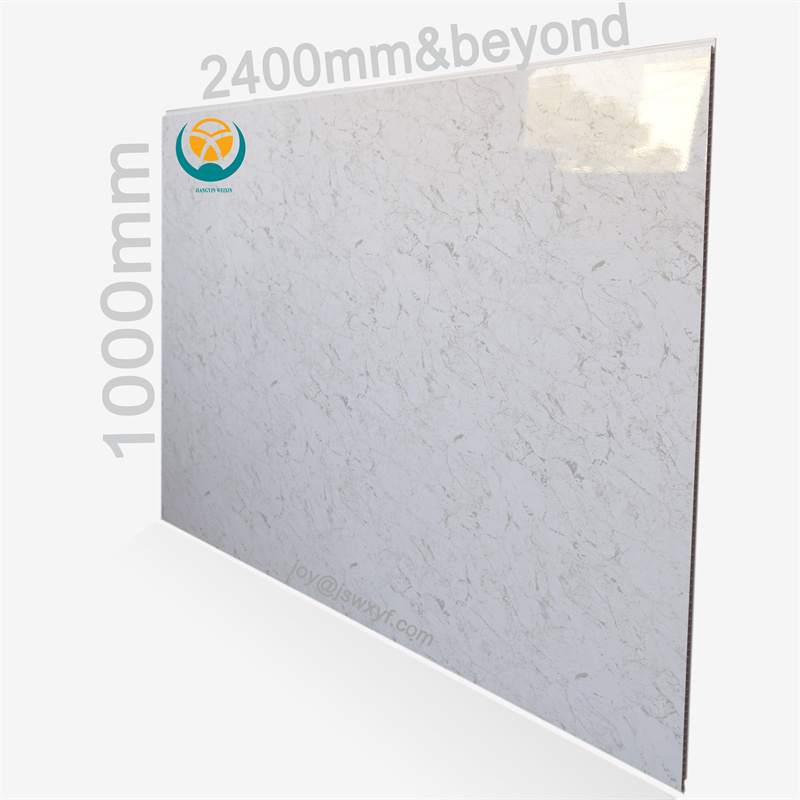
PVC wall covering sheets are versatile, durable, and cost-effective solutions for various applications in the construction and renovation industries. Frequently used for interior walls, ceilings, and wet areas, these sheets offer moisture resistance, easy maintenance, and aesthetic appeal. For B2B buyers, the primary concerns often revolve around product quality, material specifications, application suitability, and overall cost-effectiveness. This article provides essential insights into how to select the right PVC wall covering sheets for your project, evaluate key specifications, understand quality control processes, explore their best applications, and consider cost factors when sourcing.
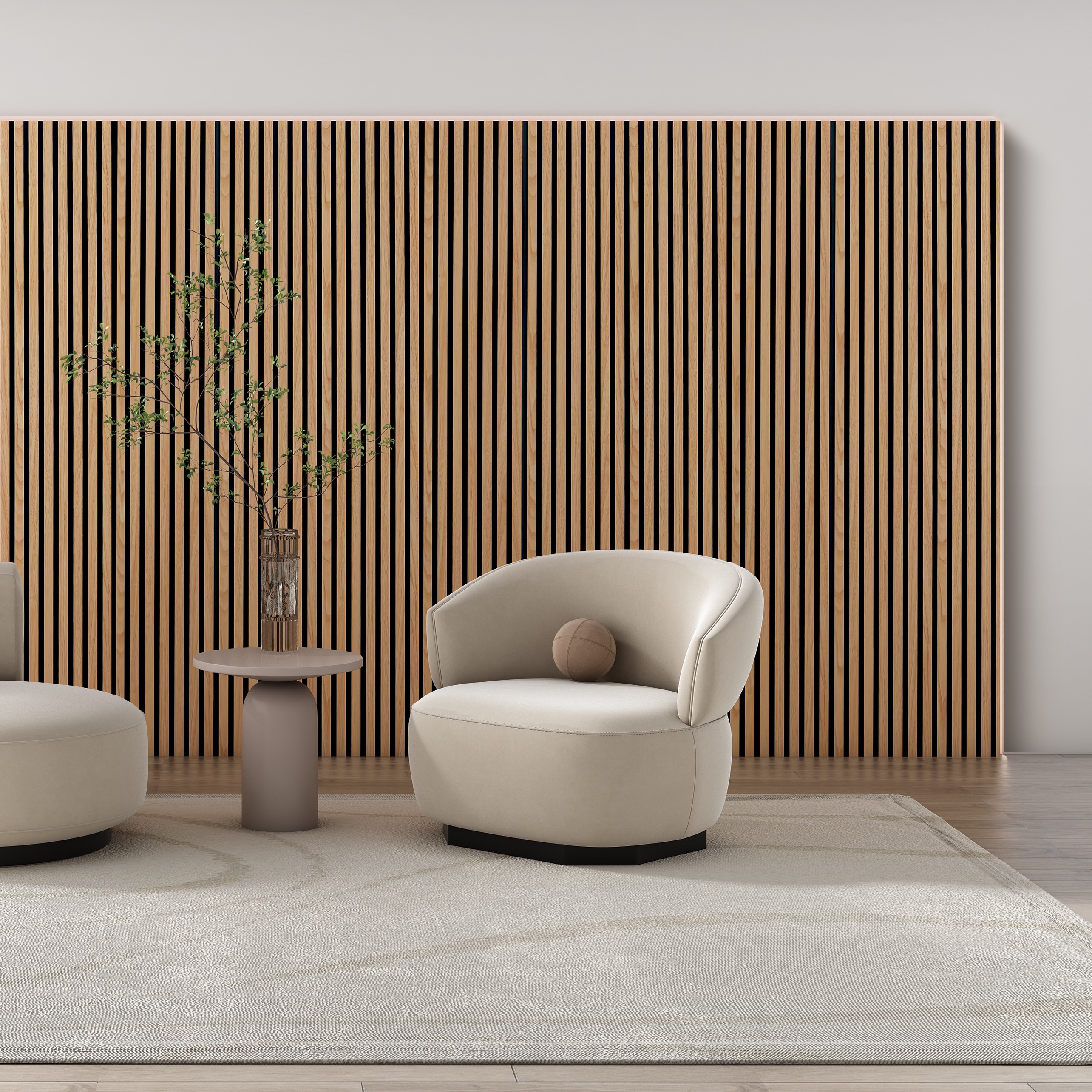
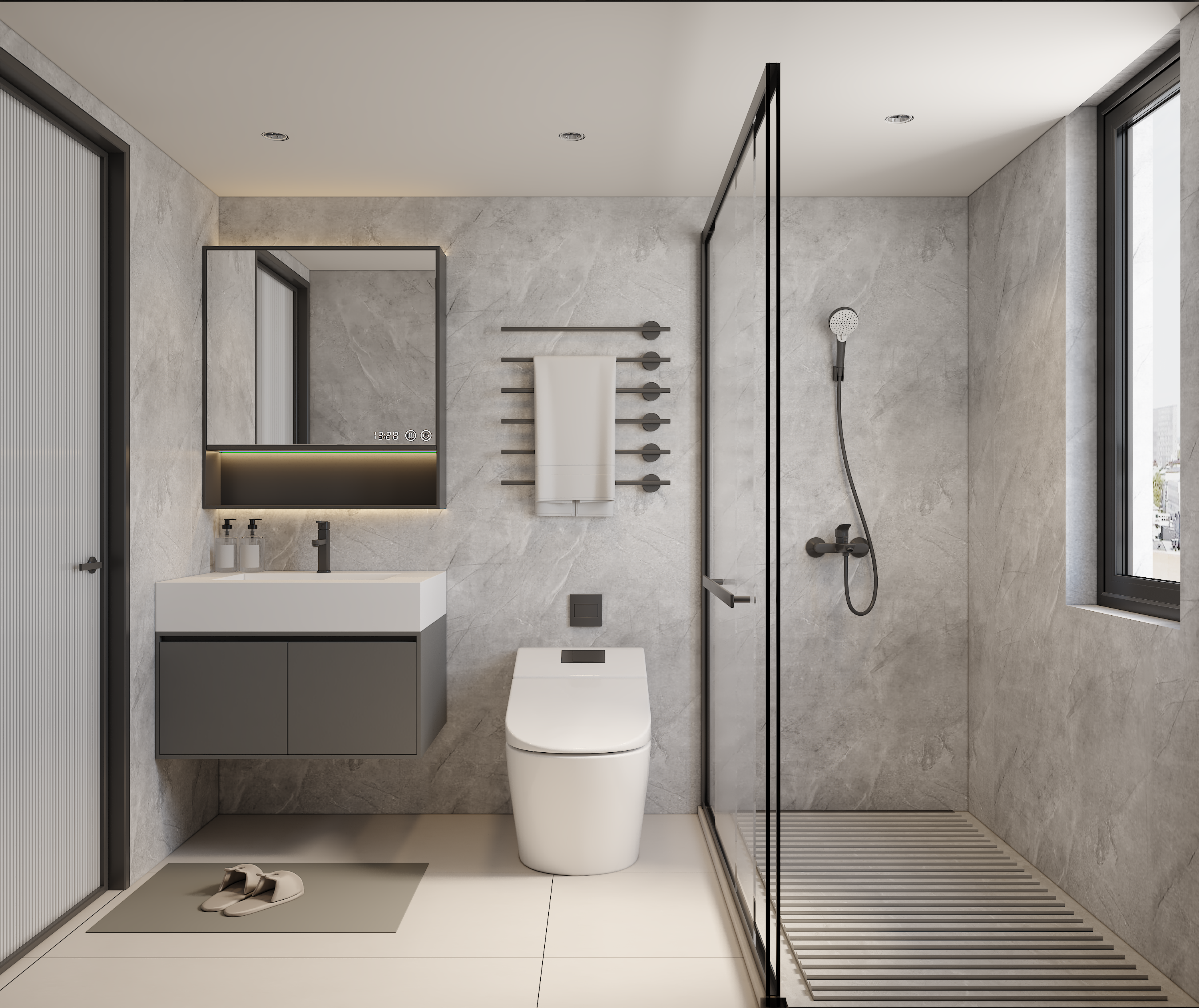
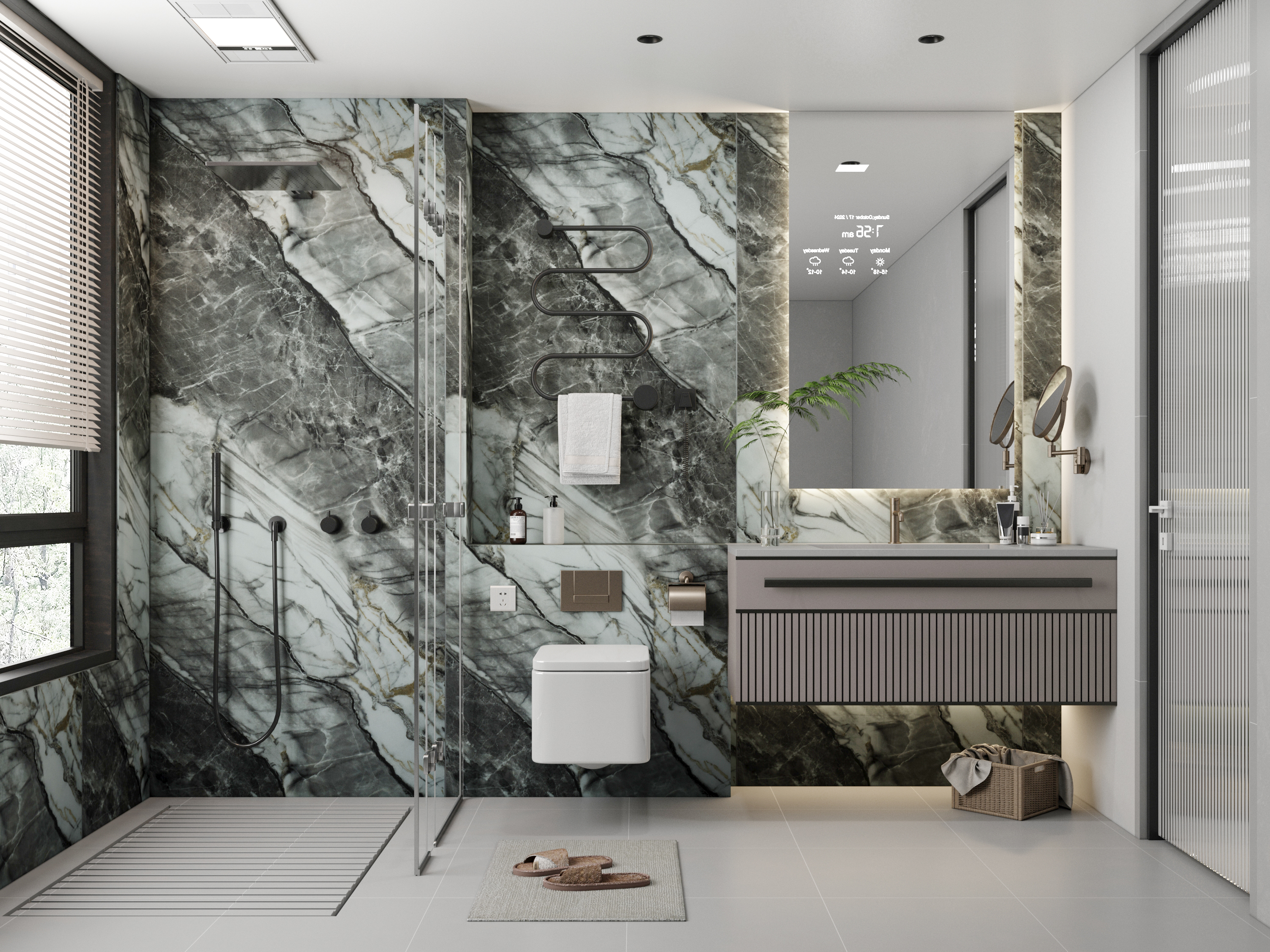
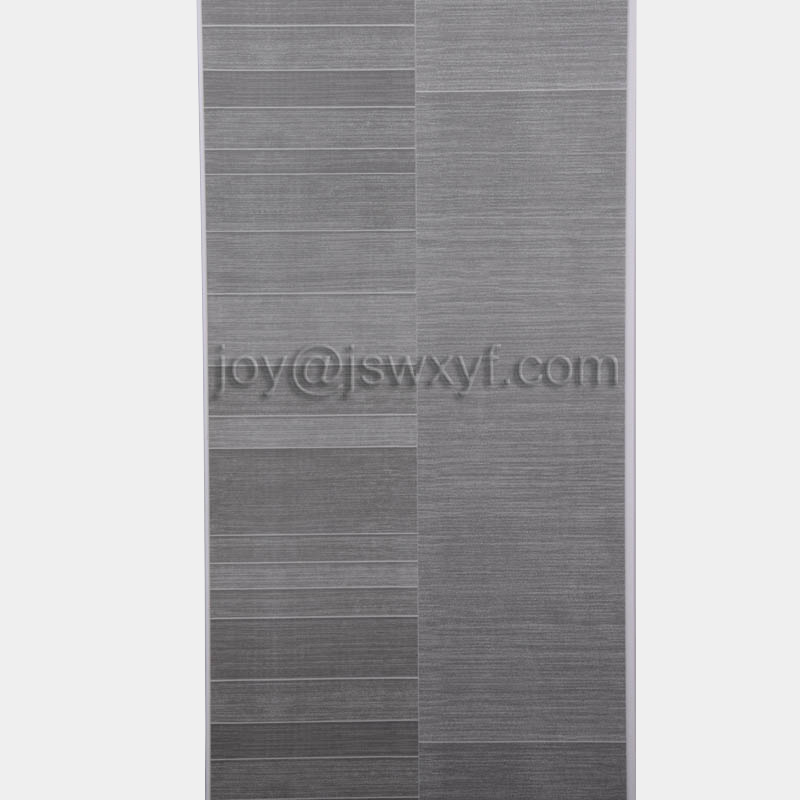
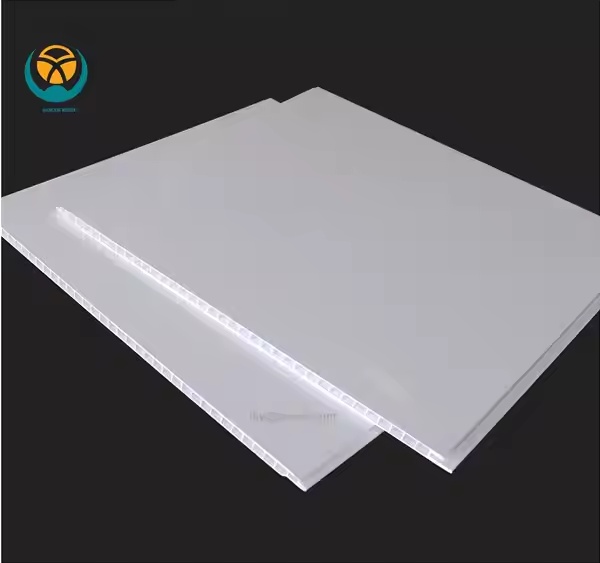
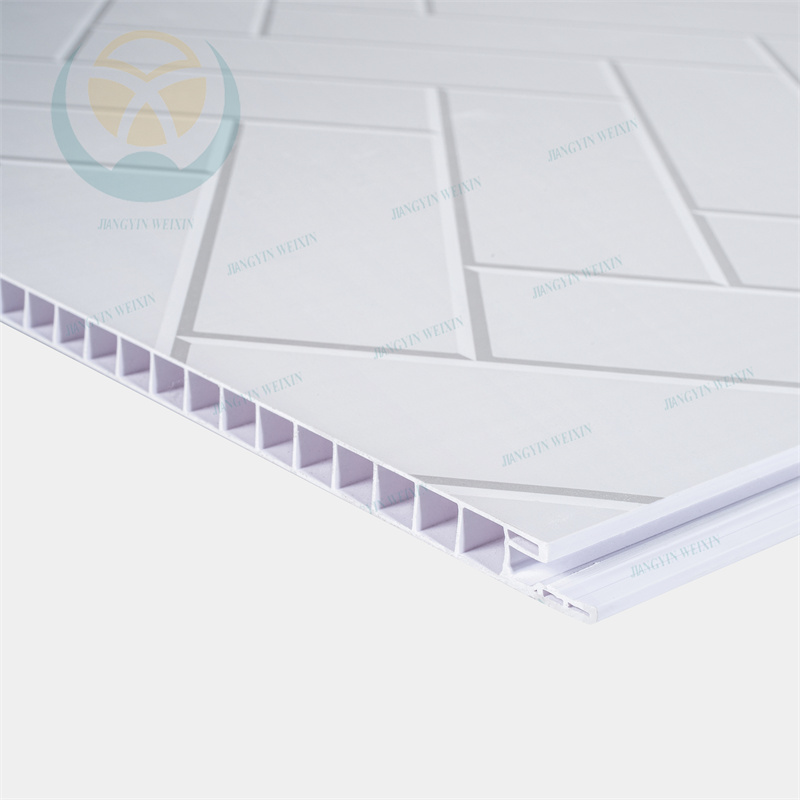
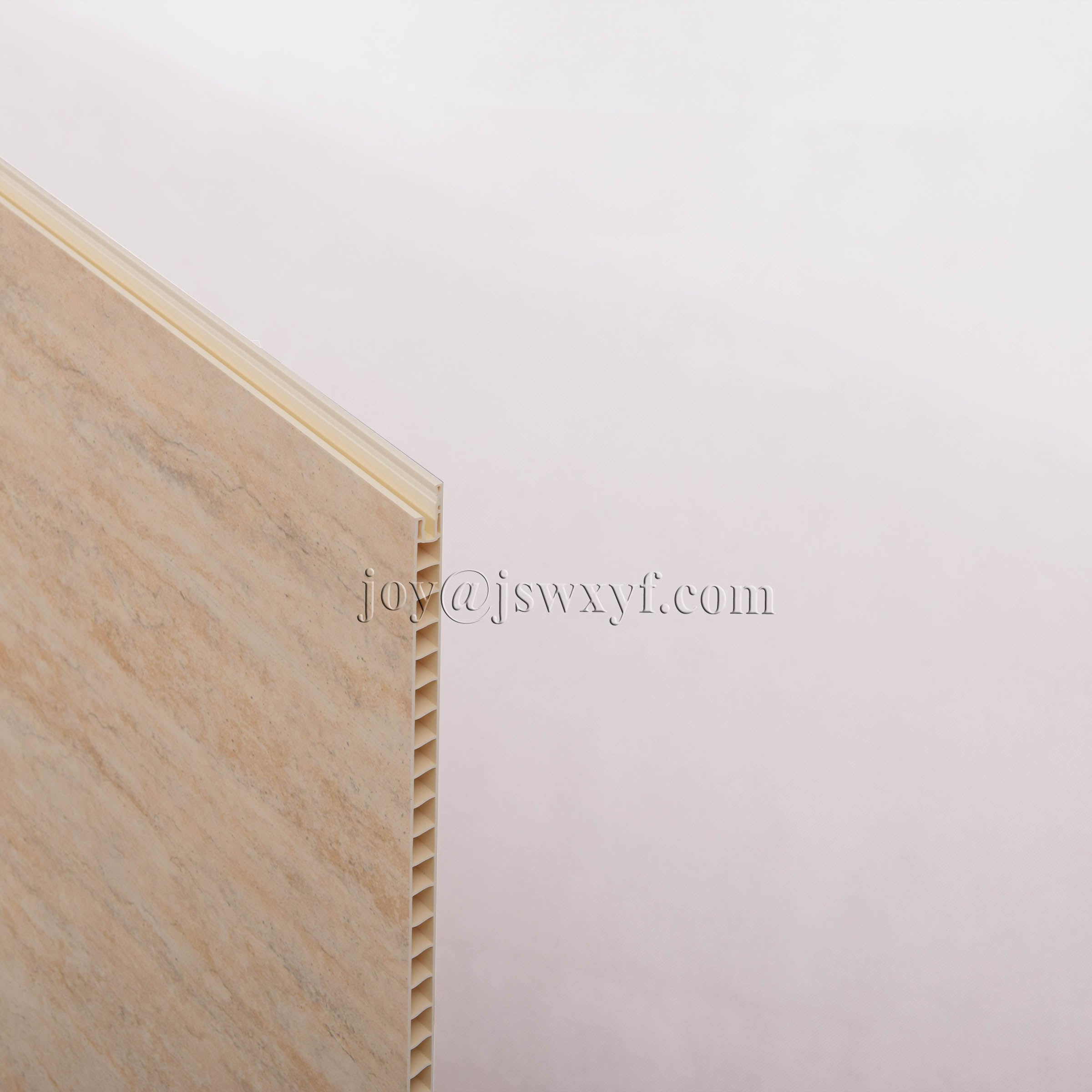
Key Specifications to Evaluate PVC Wall Covering Sheets
When evaluating PVC wall covering sheets, pay attention to the following specifications to ensure that they meet your project needs:
Material Composition: PVC is the primary material, but additives can enhance properties like UV resistance and flame retardancy. Clarifying the composition can help you understand its performance characteristics.
Thickness and Weight: Standard thicknesses range from 1mm to 5mm. Thicker panels generally offer better durability and insulation but consider the weight for installation feasibility.
Surface Treatment: Look for surface treatments that enhance durability and ease of cleaning. Options such as UV coating or protective laminates can extend the life of the panels.
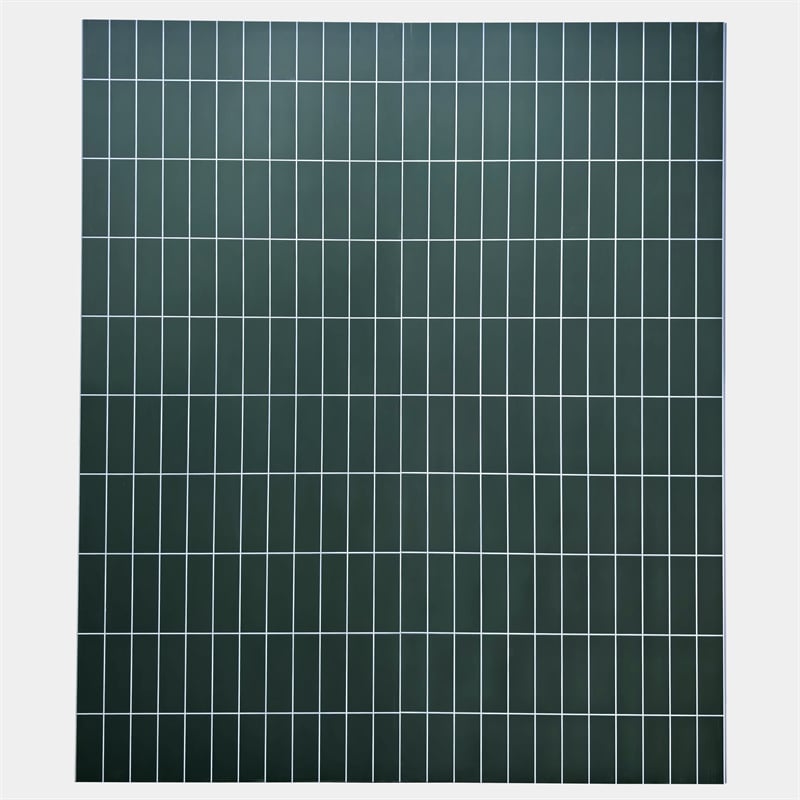
Color and Texture Options: Evaluate the available colors and textures to ensure compatibility with your design vision. Digital printing options may allow for more personalized designs.
Thermal and Sound Insulation Properties: Depending on the application, you may need panels that provide thermal insulation or sound dampening. Specify these requirements early in the sourcing process.